
Rigorous analytical standards and independent laboratory verification provide researchers with the transparency required for reliable scientific discovery.
When you order specialized compounds for your laboratory, you expect strict chemical integrity to back your experimental design. Rapid growth across life science research has intensified the demand for verified purity standards, pushing domestic suppliers to deliver reliable documentation for every chemical batch.
To achieve genuine transparency, adopt independent laboratory verification. Demanding third-party testing reports establishes unshakeable quality control benchmarks that support repeatable science, protect institutional resources, and elevate industry standards.
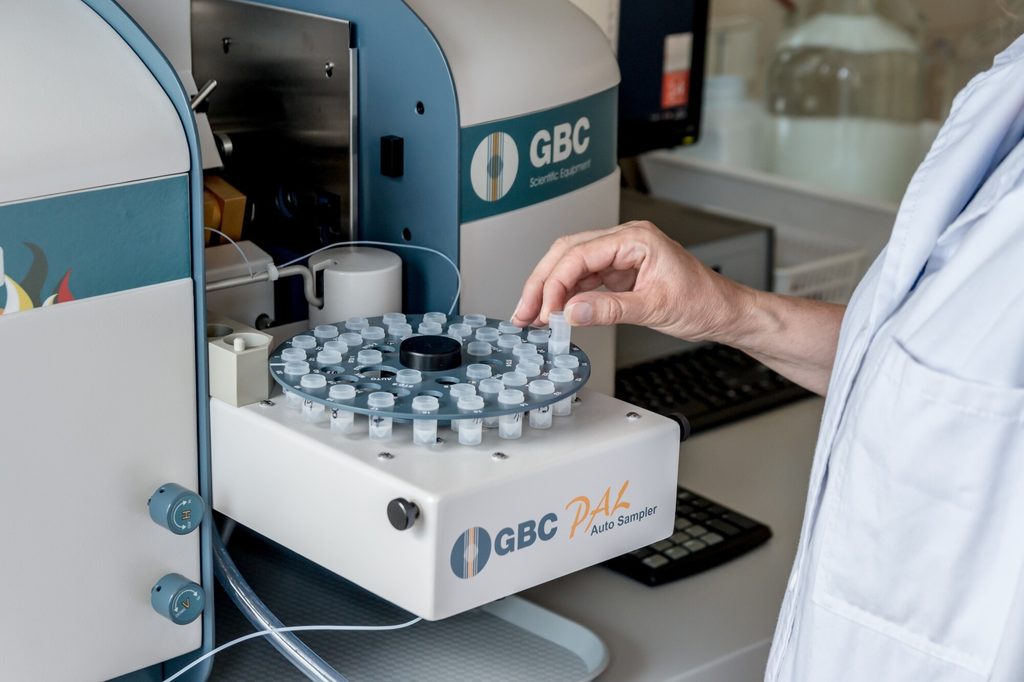
Why Do Research Institutions Reject Internal Quality Certificates?
When you evaluate reagent vendors, you encounter self-issued Certificates of Analysis produced within the vendor’s own manufacturing facility. These internal documents present an obvious conflict of interest because commercial personnel face clear incentives to approve borderline synthesis runs. Academic departments, contract research organizations, and analytical laboratories refuse to accept these self-audited documents.
You need objective proof that your research reagents meet precise chemical criteria before you introduce them into experimental protocols. Independent testing facilities operate without financial stakes in the commercial distribution of the chemicals they evaluate. When an accredited external laboratory tests a sample, you receive unbiased data that confirms exact purity, detects hidden contaminants, and protects your work from preventable experimental errors.
How Domestic Suppliers Drive Real Accountability in Reagent Sourcing
You must navigate a marketplace where supplier claims do not always match the actual purity inside the vial. Progressive American suppliers like Peptide Titans take the lead by subjecting every batch to independent laboratory analysis before releasing products to the research community. This workflow removes conflicts of interest by shifting testing responsibilities away from commercial warehouses to accredited analytical facilities. Dedicated providers give you the empirical confidence required to run complex biological assays without fear of batch contamination.
When you purchase from suppliers that prioritize external testing, you secure predictable experimental outcomes. These suppliers treat quality control as an ongoing discipline, not a superficial marketing box to check. You save valuable research funding and avoid wasting weeks of bench labor on faulty formulations.
Breaking Down Dual-Method Analytical Verification
Reliable chemical verification requires a comprehensive two-pronged analytical approach to confirm both identity and purity. You cannot rely on a single instrument read-out because individual analytical tests carry distinct methodological blind spots. Combining chromatographic separation with mass spectral identification creates an indisputable chemical fingerprint for every compound batch.
High-Performance Liquid Chromatography for Purity Quantification
High-Performance Liquid Chromatography (HPLC) serves as the standard for isolating and measuring individual chemical components within a sample. Market evaluations from Fortune Business Insights reveal that chromatography platforms account for approximately 42% of the analytical testing sector because they offer unmatched precision when separating and measuring chemical compounds.
Liquid Chromatography-Mass Spectrometry for Molecular Confirmation
While HPLC quantifies purity by separating components, Liquid Chromatography-Mass Spectrometry (LC-MS) confirms the exact molecular identity of your target molecule. The instrument ionizes chemical species and measures their mass-to-charge ratios with high precision.
How Lot Numbers and Open Access Databases Protect Traceability
Traceability transforms raw analytical testing from an isolated event into a permanent record of quality. When a supplier assigns a unique lot number to a synthesized batch, that code connects the physical vial on your bench to an unalterable laboratory analysis. You can track exactly when an independent chemist ran the test, which instruments they utilized, and what baseline conditions they maintained.
Leading providers now upload these testing files directly to open-access digital databases. Instead of waiting days for customer service representatives to email outdated spec sheets, you can input your batch code into an online portal to review full chromatographic profiles instantly.
Why Does Independent Verification Solve the Reproducibility Crisis?
Scientific progress stalls when published discoveries cannot be replicated across different laboratories. In an analytical evaluation indexed by PubMed Central, investigators discovered that barely 34.3% of examined scientific publications met standard reproducibility criteria, while only 42.36% offered usable experimental metadata. Reagent variability accounts for a substantial portion of these replication failures, as uncharacterized impurities alter cellular signaling pathways and skew analytical readings.
When you incorporate independently verified standards into your workflow, you eliminate reagent purity as an experimental variable. Your team gains the confidence that observed biological responses stem from targeted mechanistic interactions. This procedural discipline strengthens scientific literature and accelerates translation from basic science into clinical applications.
Practical Ways to Audit Your Chemical Supply Chain
Building a dependable research pipeline demands active vendor oversight and disciplined procurement habits. You can protect your bench work by screening suppliers against clear transparency benchmarks before submitting purchase orders.
- Audit external certificates: Request complete third-party analytical reports displaying accredited laboratory headers rather than unverified internal forms.
- Match specific lot numbers: Confirm that the identification code printed on your vial matches the exact analytical run detailed in the testing documentation.
- Inspect analytical chromatograms: Review raw HPLC traces and mass spectra to check peak shapes, baseline resolution, and reported purity calculations personally.
- Select transparent distributors: Partner with domestic vendors that maintain open digital testing archives and provide rapid access to analytical documentation.
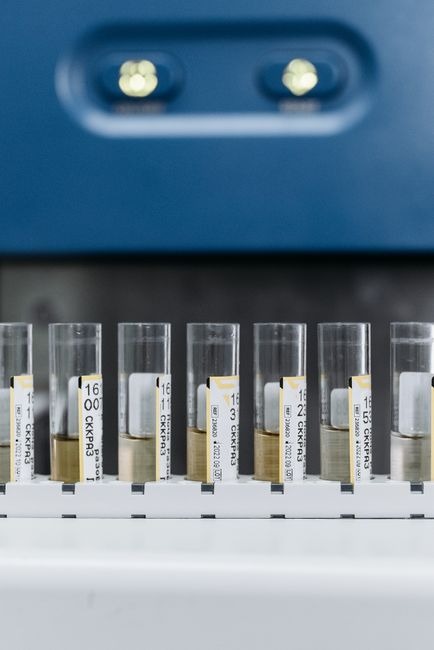
When you align your research laboratory with verified suppliers and demand transparent third-party documentation, you invest in the reliability of your published findings. Embracing rigorous analytical verification confirms your bench work stands up to rigorous scientific scrutiny.