
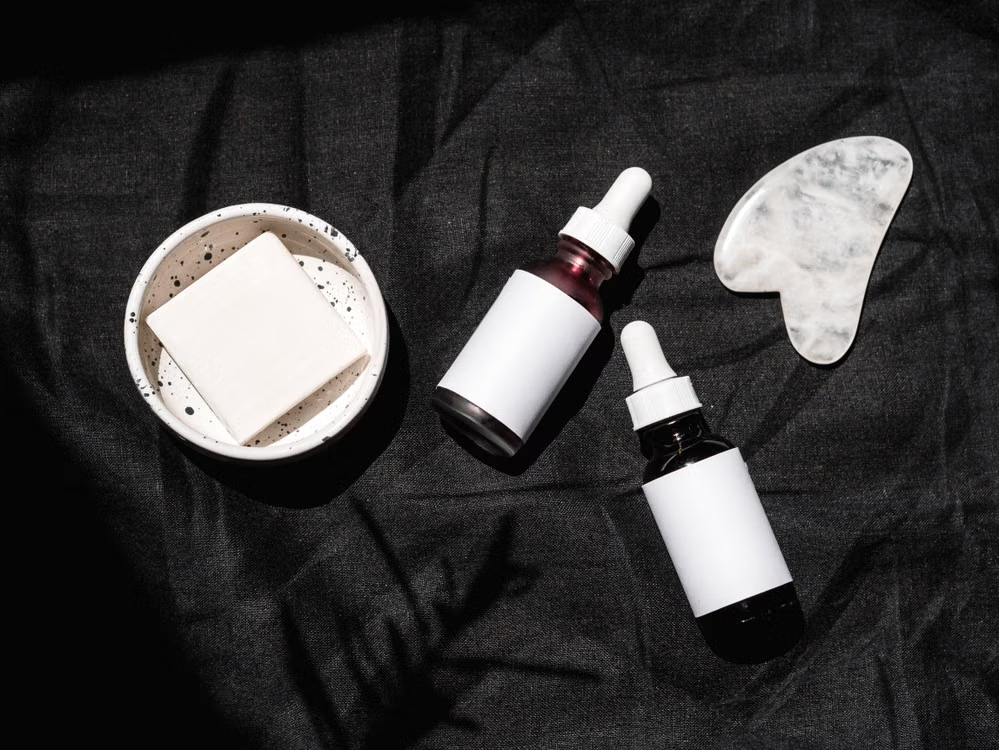
Microneedling creates micro-channels in the skin that temporarily increase its ability to absorb topical products. This makes choosing a serum more important than in a standard skincare routine.
The wrong product can cause irritation or infection, while the right one can support hydration, recovery, and long-term skin health. For those exploring options across different skincare traditions, resources like MeamoShop’s best microneedling serum guide offer a closer look at Korean formulations gaining traction in the microneedling space.
Understanding a few key factors—ingredient safety, skin type, and timing—helps narrow down your options.
Understand Why Serum Choice Matters During Microneedling
When a microneedling device punctures the skin, it bypasses the outermost protective layer. Any product applied during or immediately after the procedure has a more direct path into deeper tissue. That means ingredients that are normally harmless on intact skin may sting, cause inflammation, or trigger adverse reactions on treated skin.
This is why not every serum on the shelf is suitable for microneedling. Products need to be:
- Free of irritants — fragrances, essential oils, alcohol, and synthetic dyes can trigger reactions on compromised skin
- Sterile or contamination-resistant — open micro-channels increase infection risk, so product hygiene matters.
- Formulated for absorption — thicker creams and oil-based products can clog open channels rather than support recovery
Identify Ingredients That Support Post-Treatment Skin

Certain ingredients are commonly used alongside microneedling because they support hydration and the skin’s natural repair process without introducing unnecessary risk.
- Hyaluronic acid — A hydrating agent that pulls moisture into the skin and helps keep it there. It helps reduce tightness and dryness that often follow a session. Many practitioners use hyaluronic acid serums as a glide during the procedure itself.
- Peptides — Groups of amino acids that act as signaling molecules within the skin. Copper peptides, in particular, are used in post-treatment formulations for their conditioning properties.
- Growth factors — Proteins involved in cellular communication. Some products containing growth-factor complexes are applied after treatment to support the skin’s recovery phase.
- Vitamin C (ascorbic acid) — An antioxidant that supports brightness and even tone over time. However, it can sting on freshly treated skin, so timing matters.
- Niacinamide (Vitamin B3) — Known for supporting barrier function and reducing visible redness. It is generally well tolerated on sensitive skin.
Know Which Ingredients to Avoid
Some ingredients that work well in a daily routine can cause problems when the skin barrier is compromised. Avoid the following during and immediately after microneedling:
- Retinoids (retinol, tretinoin) — These can be too aggressive on open micro-channels and may increase irritation.
- Alpha and beta hydroxy acids (AHAs/BHAs) — Glycolic acid, salicylic acid, and similar exfoliants add unnecessary stress to treated skin.
- Alcohol-based formulations — Denatured alcohol can dehydrate and sting freshly treated areas
- Fragrances and essential oils — These are common irritants and serve no functional purpose in post-procedure care
Most practitioners recommend waiting several days before reintroducing active exfoliants or retinoids into a skincare routine.
Match the Serum to Your Skin Concern
Different skin types and goals call for different formulations. Here is a general starting point:
- Dry skin — Prioritize hyaluronic acid or glycerin-based serums that focus on moisture retention
- Oily or acne-prone skin — Lightweight, water-based serums work better than heavy formulations. Niacinamide can help manage oil production without clogging pores.
- Hyperpigmentation or uneven tone — Vitamin C serums are useful for long-term brightening, though they should be introduced a few days post-treatment rather than immediately
- Aging or fine lines — Peptide-rich serums and growth-factor products support the skin-conditioning process and pair well with the collagen response microneedling promotes
Follow Proper Application Timing
When a serum is applied matters as much as what it contains, there are three stages to consider:
- During the procedure — A practitioner may apply a hyaluronic acid serum as a glide to help the device move across the skin.
- Immediately after — Hydrating and soothing serums (hyaluronic acid, peptides) are applied to calm the skin and maintain moisture.
- In the days following — Active ingredients like vitamin C or retinol can be gradually reintroduced once redness and sensitivity subside, based on professional guidance
Avoid layering multiple actives in the first 48 hours. Keeping it simple during the recovery window reduces the chance of a negative reaction.
Consult a Professional Before Selecting Products
A serum that works for one person may not suit another, especially when variables like skin sensitivity, treatment depth, and existing conditions are involved. A dermatologist or licensed aesthetician can recommend products based on your needs and the specific microneedling protocol you use.
Choosing the right serum is not about finding the most expensive option or the longest ingredient list. It comes down to selecting a product that is safe for compromised skin, supports hydration, and aligns with your specific skin goals.