
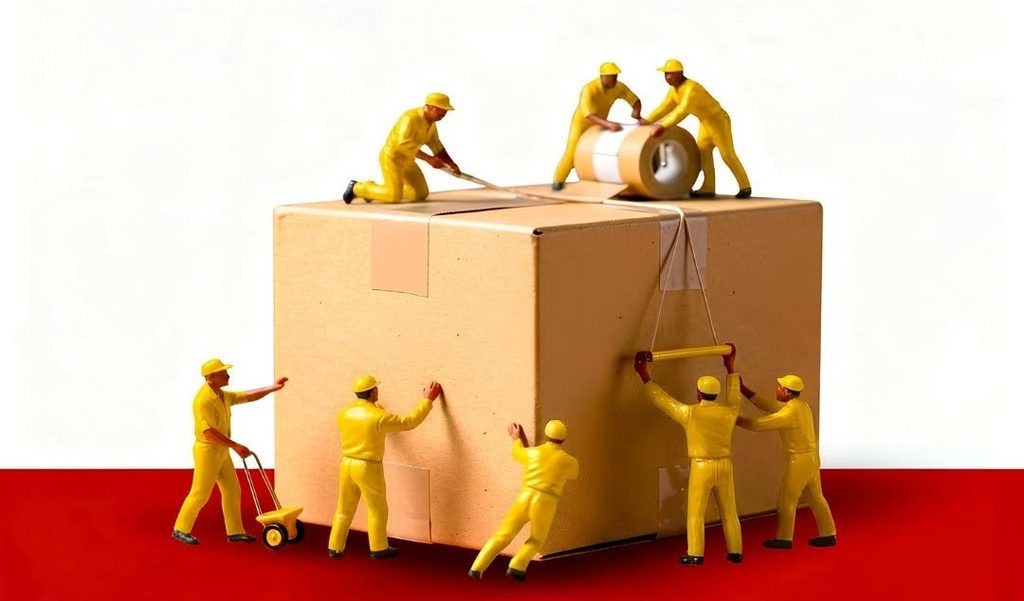
My aunt’s birthday box arrived in Hamburg eleven days late, and the customs form was the reason. I had written “gift” in the contents box. That single word got the parcel flagged, held, and opened, all because a clerk couldn’t tell what was inside.
I’ve shipped to Germany four times since then, and I now treat the whole process as a checklist instead of a guessing game. The people who struggle most are usually sending things they care about, which makes every delay feel personal. If you want to send package to germany to family without that sinking feeling, the fix isn’t a better box. It’s a better routine.
Here’s the routine that works, in the order that matters. Grab a pen, because the label and the form are where most shipments quietly fall apart.
Start With What You’re Actually Allowed to Put in the Box
Germany is strict about what crosses its border, and the rules catch ordinary people more often than businesses. Coffee, for example, is a real trap. A bag of specialty beans looks harmless, but it needs specific treatment and paperwork that most casual senders don’t have.
So build your box around the boring stuff first. Clothing, books, unopened toiletries, and non-perishable snacks ship cleanly. Anything edible, anything with alcohol, and anything resembling a weapon or toy weapon goes on the complicated pile. If you’re unsure, call the carrier and ask before you seal the tape. Unsealing a box to remove one item costs you five minutes. Getting it held at customs costs you three weeks.
One friend tried to send her brother a leatherman-style multitool as a birthday gift. It never made it past the airport. She still talks about it.
Pack Like the Box Is Going to Get Dropped, Because It Will
An international parcel changes hands more times than a domestic one, and every handoff is a chance for a tumble. Wrap glass and electronics in bubble wrap, then wrap again. Fill the empty space with something that won’t shift, since a loose item banging around for a week can crack a screen through the padding.
Use a new box. A reused one with old labels, old tape, and old barcodes confuses scanners, and scanners are the ones deciding whether your parcel moves or sits. Cover or remove every old marking before you write a single new address on the surface.
Write the recipient’s full name, street, house number, postal code, and city in block letters. Germany runs on house numbers that sit after the street name, so getting the order right saves a sorting headache. Include your own return address on the same side. Tape the label down with clear packing tape so rain and handling don’t peel it off.
Get the Customs Form Right the First Time
This is the part people rush, and it’s the reason parcels sit in a warehouse for two weeks. The customs form needs a specific description of the contents, not a category. Write “two cotton sweaters and one paperback book” instead of “clothing.” Write “one pair of leather boots” instead of “gifts.”
See the difference? A specific description tells a customs officer exactly what to expect, and a specific one clears faster. That’s the whole game.
Declare the actual value of what’s inside. Understating a value to dodge a duty is tempting and also the fastest way to get a parcel held or returned. If the contents are genuinely a gift, mark them as a gift and declare the real value anyway. The two facts don’t contradict each other.
According to U.S. Customs and Border Protection, accurate declaration of contents and value is a legal requirement on outbound shipments, not a courtesy. That’s worth remembering next time you’re tempted to write “miscellaneous.”
Choose Your Service by Speed, Not Just Price
The cheapest option is rarely the one that arrives when your nephew turns ten. Carriers offer tiers that trade price for speed, and a middle tier often lands a parcel in Germany within a week or two while the slow boat option can take well over a month.
Pick a service with tracking, then actually use the tracking number. Watch the parcel’s progress for the first few days. If it stops moving at an airport hub, that’s your cue to call the carrier rather than wait another week hoping it resumes. A package sitting still for five days usually needs a nudge from a human.
Shipping insurance is worth it for anything you’d feel sick about losing. The Universal Postal Union, which coordinates mail between national systems, treats cross-border parcels as a shared chain of custody, and that chain has plenty of links where things can go wrong.
The Night-Before Checklist
Run through this the evening before pickup, with a pen in hand:
- Contents listed by name and quantity on the customs form, not by category
- Real value declared for every item, even gifts
- Recipient address written in block letters with the house number after the street
- Padded, filled box with no shifting contents and no old labels showing
- Tracking number saved in your phone before you hand the box over
- Photo of the filled-out form, in case anyone asks questions later
Two of those will save you a phone call. The photo one saved me once when a carrier claimed a package was empty, and I had the form on my camera roll.
What Changes When You Ship More Than Gifts
If you’re sending a single scarf to a friend, the routine above is plenty. If you’re shipping a stack of boxes, moving furniture, or sending work equipment for a job abroad, the calculation shifts. That’s when volume, weight, and recurring documentation start driving the cost, and a freight forwarder earns their fee by handling the paperwork you’d otherwise be filling out five times.
The logistics industry underpinning all of this keeps growing, and the Bureau of Labor Statistics tracks it as a major employment sector, which means there are more carriers and more options than there were a decade ago. More options also means more chances to pick the wrong one, so read the fine print on delivery windows before you commit.
Frequently Misunderstood Rules, in Plain Terms
| What people assume | What actually happens |
| Marking a package “gift” avoids duties | Gifts still get declared, and duties may still apply depending on value |
| Vague contents descriptions save time | Vague descriptions cause holds, which cost far more time than writing specifics |
| Any box will do | Reused boxes with old labels confuse scanners and slow the parcel down |
The Habit That Beats Every Shortcut
Treat the form like it matters more than the contents. That’s the stance I’d take if you asked me to choose between buying better padding and spending ten extra minutes on the description. Skip the padding and the worst case is a cracked mug. Skip the description and the worst case is a parcel stuck in limbo for a month.
Write specifics, declare real values, tape the label flat, and save the tracking number where you’ll actually find it. Do those four things and your box clears the way it should.
Next time you’re standing at the counter with a box in your arms, ask yourself one question before you hand it over: could a stranger tell exactly what’s inside from the form alone? If the answer is yes, you’re done.