
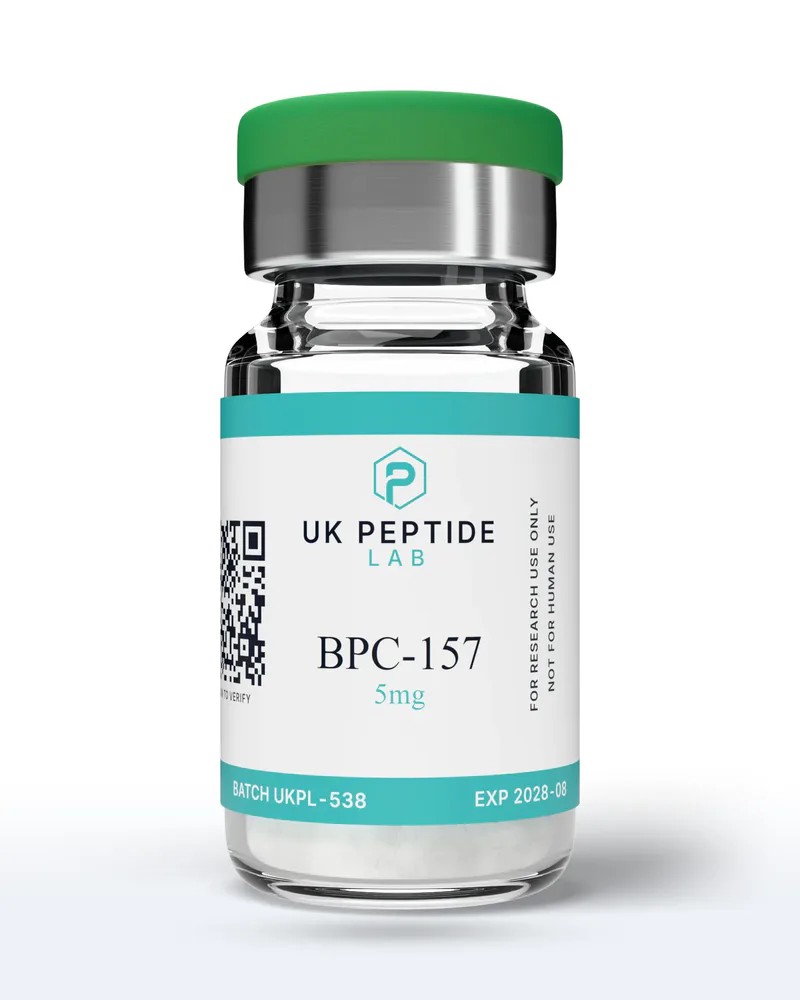
BPC-157 keeps drawing interest in experimental peptide research. There have been studies looking at many biological processes. Scientists have checked the roles for this peptide in tissue and gut studies. But good lab work requires researchers to know what this peptide is, why they use it, and the conditions of the experiment.
1. Understand the Peptide’s Basic Characteristics
Before you start using any peptide in a research study, you should first know its basic features. BPC-157 is a man-made peptide made up of 15 amino acids. If you understand its make-up, you can see how it can be used in a certain experiment.
UK Peptide Lab has BPC-157. You can find product information like its molecular weight and how it is put together, as well as research-use rules. When you have these details, it can help you plan lab work in a much easier way.
Researchers should consider:
- The mix of molecules and how they are lined up
- How the thing looks and feels
- The place where the study will be done
- How well it works with the way you want to do the research
2. Match the Compound to the Research Question
You should choose a peptide if it fits with the research question. Do not pick it just because many people are talking about it online. BPC-157 has been seen in early studies. These studies looked at things like how tissue acts, gut models, blood flow, and cell activity.
This is why it is important to set your research goal early. A clear guess about what will happen can help you choose the test plan you will use. It also helps you pick the right test setup, checks, ways to test, and what you need to look for.
| Research Consideration | Example Question |
| Biological target | What process is being investigated? |
| Experimental model | Which model best represents the question? |
| Observation | What measurable change is expected? |
| Controls | What comparison is needed? |
| Reproducibility | Can the experiment be repeated consistently? |
3. Separate Experimental Findings From Health Claims
One of the most important things to know is the gap between laboratory findings and established medical evidence. What happens in cell or animal models does not mean it will happen in people.
BPC-157 research has shown results that make people want to look into it more. But there is not a lot of proof in people yet. Researchers have to know the difference between something that looks good in tests and something that is sure to work for health.
This difference matters a lot when you read articles, see talks on social media, or look at business descriptions about peptides.
4. Build Handling Into the Experimental Plan
Peptide research is not just about picking what you will work with. How you handle the lab material can change results. Researchers should set up good steps for getting, keeping, making ready, and recording lab items before they start their work.
A practical research workflow may include:
- Recording the batch and receipt date
- Following the supplier’s storage guidance
- Using suitable laboratory equipment
- Writing down how you get things ready
- Keeping the same conditions between experiments
Treating handling as part of the experiment can lower unwanted changes.
5. Evaluate the Supplier as Part of Research Preparation
Supplier selection is also part of lab planning. Instead of just depending on sales talk, people working in the lab can check if the supplier gives helpful details about the lab tech and clear statements saying what the product is for in research.
UK Peptide Lab offers BPC-157 and shares key details about the product. They give information and data from the lab, so researchers can read and find out more before they use it in their work.
A useful supplier review can include:
- Availability of product specifications
- Batch identification
- Analytical information
- Research-use labeling
- Storage and handling guidance
Conclusion
Doing research with BPC-157 needs more than picking a peptide and starting work. You have to know about its small parts first. Be clear about what you are trying to find out. Make sure you know which results are from animal tests and which are from human tests. Plan how to handle everything the right way. Check the facts from the supplier to get ready in the lab. If you are looking at UK Peptide Lab, read the product and technical facts they give. This will help you think about everything before you use it for research. Make sure you keep the compound in the right context for your study.