
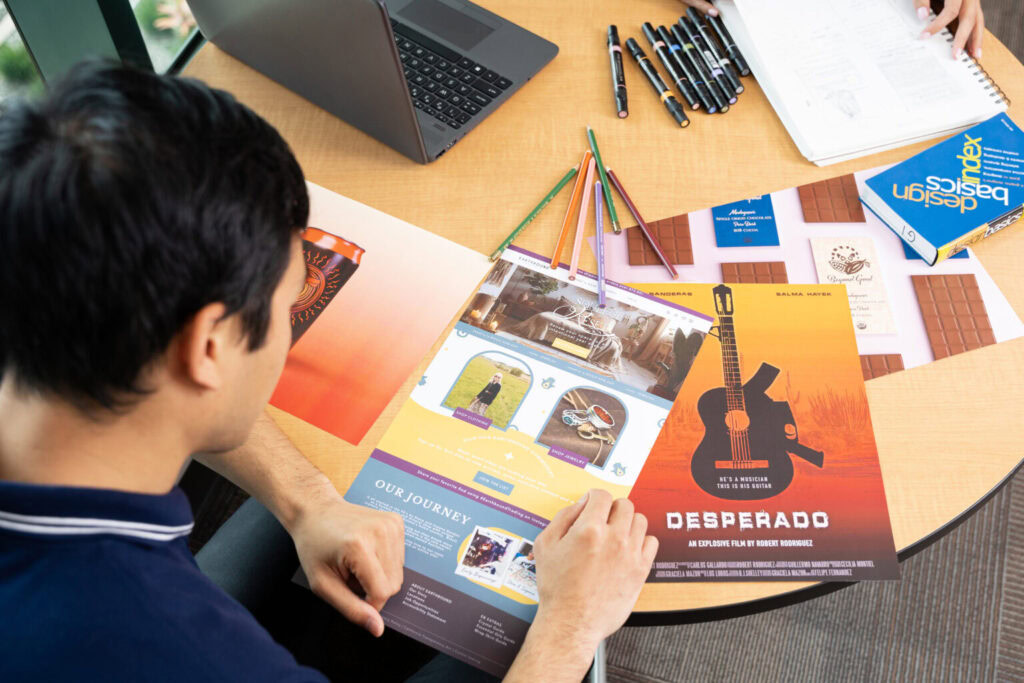
Choosing a graphic design program in Ontario is often the first meaningful step toward turning creativity into a professional career that blends artistic vision with practical problem-solving.
The modern design industry goes far beyond creating attractive logos or posters, as businesses now rely on designers to build brands, shape digital experiences, create engaging social media content, develop packaging, and communicate ideas clearly across multiple platforms.
Students entering the field quickly discover that success depends on much more than natural talent, because employers increasingly value technical skills, creative thinking, collaboration, and the ability to adapt to constantly evolving design trends.
If you’re researching a graphic design program in Ontario, it’s worth understanding how the right education can help you build both creative confidence and career-ready skills before entering the industry.
Why Graphic Design Remains a High-Demand Career
Every business tells a story through visuals.
Whether someone is launching a local coffee shop, introducing a mobile app, or rebranding a healthcare company, thoughtful design influences how customers perceive and remember a brand.
That growing demand has expanded opportunities beyond traditional advertising agencies.
Today’s designers work with startups, technology companies, marketing agencies, publishers, manufacturers, nonprofit organizations, educational institutions, and even government departments.
Freelancing has also become increasingly common, giving creative professionals the flexibility to specialize in areas such as branding, motion graphics, user interface design, or digital illustration.
For someone with strong design fundamentals, the career possibilities are far broader than they were just a decade ago.
What Students Actually Learn Beyond Design Software
Many people assume graphic design education revolves around learning Adobe Photoshop or Illustrator.
While software proficiency is certainly important, professional training focuses on much deeper concepts that shape how successful designers think.
Visual Communication
Every design should solve a communication problem.
Students learn how typography, color theory, composition, spacing, and imagery work together to guide attention and influence emotions.
For example, a charity fundraising campaign requires a completely different visual approach than a luxury fashion advertisement, even if both use similar design tools.
Branding and Identity Design
A memorable logo is only one small part of a brand.
Students explore how consistent visual systems—including typography, color palettes, iconography, and imagery—create recognizable identities across websites, packaging, social media, and printed materials.
Learning to think beyond individual graphics prepares graduates for real client projects.
Digital and Print Production
Designers often create work that appears in multiple formats.
A promotional campaign may include a website banner, Instagram posts, printed brochures, business cards, trade show displays, and email graphics.
Understanding production requirements for both digital and print media helps designers avoid costly mistakes during execution.
Developing Creative Problem-Solving Skills
Strong design isn’t about making something look attractive.
It’s about solving problems visually.
Imagine a local bakery preparing to open its first location.
The owner needs menus, storefront signage, takeaway packaging, promotional flyers, and social media graphics that all feel connected.
Rather than designing each item separately, a trained designer creates a cohesive visual identity that customers recognize immediately.
This strategic thinking becomes one of the most valuable skills students develop during their education.
Learning how to interpret client goals, analyze target audiences, and justify design decisions prepares graduates for real workplace expectations.
Building a Professional Portfolio
Employers rarely hire designers based solely on grades.
Instead, portfolios demonstrate both technical ability and creative thinking.
Throughout a quality design education, students gradually build projects that showcase a range of skills.
A portfolio might include branding systems, magazine layouts, website mockups, packaging concepts, advertising campaigns, digital illustrations, and user interface designs.
Rather than presenting dozens of unrelated pieces, successful portfolios tell a story about how each project solved a communication challenge.
This approach often leaves a stronger impression during interviews.
Collaboration Mirrors Real Industry Experience
Creative careers are rarely isolated.
Designers frequently collaborate with photographers, copywriters, marketers, developers, printers, videographers, and business owners.
Learning how to receive feedback—and improve work without taking criticism personally—is an essential professional skill.
Classroom critiques often simulate client presentations, encouraging students to explain design choices clearly and revise projects based on constructive input.
These experiences build confidence long before graduates enter professional environments.
Keeping Pace with an Evolving Industry
Graphic design changes constantly.
New technologies, design trends, accessibility standards, and digital platforms continue reshaping the profession.
Rather than memorizing temporary trends, successful programs emphasize adaptable design principles that remain valuable regardless of changing software or emerging technologies.
For example, understanding typography hierarchy remains useful whether someone is designing a printed annual report or a mobile application.
That balance between timeless fundamentals and modern tools helps graduates remain competitive throughout their careers.
Career Paths After Graduation
Graphic design offers multiple directions depending on personal interests.
Some graduates enjoy developing visual identities for businesses.
Others prefer designing websites, creating packaging, illustrating children’s books, producing digital advertisements, or developing marketing campaigns.
Common career opportunities include:
- Graphic Designer
- Brand Designer
- Visual Designer
- Marketing Designer
- Production Artist
- Packaging Designer
- Publication Designer
- User Interface (UI) Designer
- Digital Content Designer
- Freelance Creative Professional
Many professionals eventually specialize in one niche after gaining experience across different industries.
How Hands-On Projects Make Learning More Practical
Theory becomes much more meaningful when students apply it to realistic assignments.
For example, instead of simply studying branding principles, students might develop an identity for a fictional outdoor adventure company.
The project could include logo exploration, typography selection, packaging, merchandise, website layouts, social media graphics, and advertising materials.
Working through these connected deliverables mirrors professional workflows and helps students understand how design systems function in real business situations.
Projects like these also strengthen portfolios by demonstrating strategic thinking rather than isolated technical exercises.
Choosing the Right Program
Not every design program offers the same experience.
When comparing options, prospective students should evaluate curriculum quality, access to experienced instructors, opportunities for portfolio development, industry-relevant software training, and hands-on projects.
Internship opportunities, collaborative assignments, and exposure to real-world creative challenges can also make a significant difference when transitioning into the workforce.
A well-rounded education should prepare students not only to create visually appealing work but also to think critically, communicate effectively, and adapt to changing client needs.
Final Thoughts
A strong design education creates far more than technical proficiency.
It develops creative confidence, strategic thinking, communication skills, and a portfolio that demonstrates real problem-solving ability.
As businesses continue investing in branding, digital marketing, user experience, and visual communication, skilled designers remain valuable across nearly every industry.
For aspiring creatives who enjoy combining imagination with practical solutions, the right educational foundation can open the door to a rewarding career that continues evolving alongside technology, culture, and design itself.