
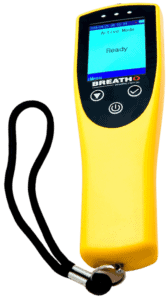
Breathalysers are widely used in Australia for personal alcohol monitoring, workplace safety, roadside testing and other applications where reliable blood alcohol concentration (BAC) readings are important. However, even a quality breathalyser can become less accurate over time. Regular calibration helps ensure the device continues to provide dependable results and performs within its intended specifications.
So, how often do you need to calibrate a breathalyser? The answer depends on the type of device, how frequently it is used, the manufacturer’s recommendations and the conditions in which it operates. For many professional and workplace breathalysers, calibration is commonly recommended every six to twelve months, although some manufacturers may specify a different interval.
What Is Breathalyser Calibration?
A breathalyser calibration is the process of checking and adjusting a device so that its alcohol measurements remain accurate. During calibration, the breathalyser is tested against a known alcohol concentration, allowing technicians to determine whether the sensor is producing reliable readings.
Over time, the sensor inside a breathalyser can naturally lose accuracy. Frequent use, exposure to alcohol vapour, temperature fluctuations, humidity and improper storage can all affect sensor performance. Calibration helps identify these changes and ensures the device remains suitable for its intended purpose.
It is important to distinguish calibration from routine maintenance. Cleaning the mouthpiece, inspecting the device and replacing batteries may help keep a breathalyser in good working order, but these tasks do not replace professional calibration.
How Often Should a Breathalyser Be Calibrated?
There is no single calibration schedule that applies to every breathalyser. The manufacturer’s instructions should always be the primary reference.
As a general guide:
- Occasional personal use: Calibration may be required according to the manufacturer’s specified interval, even if the device is used infrequently.
- Regular personal use: More frequent calibration may be appropriate because the sensor is exposed to breath samples more often.
- Workplace use: Businesses should follow the manufacturer’s calibration requirements and any applicable workplace procedures or standards.
- High-volume or professional use: Devices used frequently may require closer monitoring and more regular calibration.
Some manufacturers recommend calibration every six months, while others specify twelve months or a particular number of tests. A device may also need calibration sooner if its readings appear inconsistent or if it has been exposed to conditions that could affect sensor performance.
Why Regular Calibration Matters
Accurate readings are particularly important when a breathalyser is being used to support workplace alcohol policies, fleet safety procedures or personal decisions about driving.
An uncalibrated device may produce readings that are less reliable than expected. Even when a breathalyser appears to function normally, sensor performance can change gradually without obvious warning.
Regular breathalyser calibration provides greater confidence that the device is operating according to its specifications. For businesses, keeping calibration records can also form part of a broader equipment maintenance and workplace safety process.
Signs Your Breathalyser May Need Calibration
In addition to following the recommended calibration schedule, users should pay attention to changes in device performance. Potential warning signs include inconsistent readings, unusual results compared with previous tests, error messages or a device that has been stored incorrectly or subjected to extreme temperatures.
If a breathalyser has been dropped, repaired or otherwise damaged, it is sensible to have its accuracy checked before relying on it again.
Choosing a Professional Calibration Service
When calibration is due, use a reputable service provider that is experienced with the specific breathalyser model. Ask about the calibration process, documentation provided and whether the service uses appropriate reference equipment and procedures.
For workplace and commercial users, maintaining a clear record of calibration dates, service details and future calibration requirements can make equipment management easier.
Final Thoughts
Regular calibration is an essential part of maintaining a breathalyser’s accuracy and reliability. While the appropriate interval varies between devices, six to twelve months is a common calibration timeframe, subject to the manufacturer’s instructions and usage conditions.
Rather than waiting until a device produces questionable results, establish a regular calibration schedule from the beginning. Proper calibration, maintenance and storage can help ensure your breathalyser continues to provide dependable readings when you need it most.
Note: A personal or workplace breathalyser should not be treated as a definitive indication that it is safe or legal to drive. When in doubt, do not drive. Always follow applicable Australian laws, manufacturer instructions and workplace requirements.