
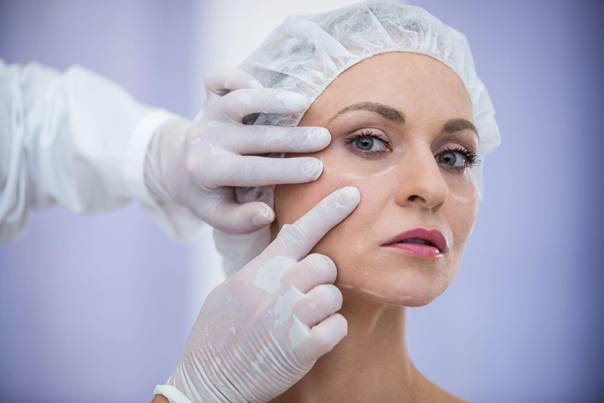
Aesthetic treatments may be elective, but they are still medical procedures when they involve prescription medications, injections, or other clinical interventions. A proper medical evaluation can help determine whether a treatment is appropriate for a particular patient rather than simply providing the procedure requested.
The importance of this evaluation is becoming increasingly relevant as cosmetic injectables continue to grow in popularity. As more patients seek aesthetic treatments, consistent patient assessment remains an important part of responsible clinical care.
For patients considering Botox, dermal fillers, or other aesthetic treatments in New York, the consultation should be more than a discussion about appearance. It should allow a qualified healthcare professional to review relevant health information, understand the patient’s goals, identify potential concerns, and use clinical judgment when deciding whether treatment is appropriate.
What is a GFE medical?
A Good Faith Exam, commonly called a GFE, is a medical evaluation performed by a qualified healthcare professional before a medical treatment is provided. The purpose is to establish an appropriate patient-provider relationship and assess the patient’s individual circumstances before making a treatment decision.
A GFE is not simply a formality or a questionnaire. Depending on the treatment and clinical circumstances, the evaluation may involve reviewing:
- Medical history
- Current medications and supplements
- Allergies and previous reactions
- Relevant medical conditions
- Previous cosmetic procedures
- Treatment goals and concerns
- Relevant examination findings
- Potential contraindications
- Appropriate treatment options and alternatives
The specific elements of an evaluation can vary based on the patient and the proposed treatment. The central principle is that the treatment decision should be based on the patient’s individual circumstances rather than on a predetermined procedure or sales process.
This distinction matters in aesthetic medicine. A patient may request a particular filler or injectable, but the fact that someone wants a treatment does not automatically mean that treatment is medically appropriate.
What is a GFE in aesthetics?
In aesthetics, a GFE provides a clinical foundation for determining whether a patient is an appropriate candidate for a proposed cosmetic treatment.
For example, imagine a patient arrives at a New York aesthetic practice requesting lip filler because they have seen a particular result online. During the evaluation, the healthcare professional learns about the patient’s medical history, medications, previous filler treatments, allergies, and expectations.
The provider may determine that the requested treatment is reasonable, recommend a different approach, suggest waiting, or decide that treatment should not proceed. That clinical judgment is an important part of responsible aesthetic care.
A GFE can also create an opportunity for meaningful informed consent. Instead of focusing only on the desired cosmetic result, the patient can discuss potential risks, expected outcomes, alternatives, and aftercare.
Why patient history matters
Medical history can influence aesthetic treatment decisions in ways that may not be obvious to a patient. Certain medications, allergies, previous procedures, health conditions, or prior reactions may require additional consideration.
This does not mean that a particular health factor automatically prevents someone from receiving an aesthetic treatment. Rather, it gives the qualified clinician information needed to make an individualized decision.
Why treatment goals matter
Good aesthetic care should also consider what the patient actually wants to achieve. A patient seeking a subtle improvement may require a different treatment strategy from someone seeking a more noticeable change.
Discussing goals before treatment can help the provider determine whether the requested procedure is capable of producing the desired result. It can also help establish realistic expectations and reduce the likelihood of treating an unrealistic cosmetic objective.
Why a Good Faith Exam matters before Botox and dermal fillers
Botox and dermal fillers are among the most common minimally invasive aesthetic procedures in the United States. ASPS reported that neuromodulator injections increased 4% in 2024, while hyaluronic acid filler procedures increased 1%.
Their popularity does not eliminate the need for individualized assessment.
Botulinum toxin products and dermal fillers have different characteristics, indications, risks, and considerations. The appropriate product, treatment area, amount, and technique depend on the patient’s anatomy, goals, medical circumstances, and the judgment of the qualified provider.
For example, a patient seeking treatment for facial lines may be interested in Botox after seeing an advertisement online. A clinical evaluation allows the provider to determine whether the concern is appropriate for a neuromodulator, whether another approach may be more suitable, and whether there are relevant factors that should be addressed before treatment.
Similarly, someone requesting cheek or lip filler may have expectations that do not match what the treatment can realistically accomplish. A proper evaluation allows the provider to explain those limitations before an injection takes place.
New York GFE and responsible aesthetic care
Patients searching for a good faith exam in New York may encounter different approaches to consultations and medical evaluations. The important consideration is whether the process involves a genuine clinical assessment rather than simply approving a requested procedure.
A New York GFE should support individualized medical decision-making. Depending on the circumstances, documentation may include relevant health history, medications, allergies, treatment goals, examination findings, the proposed treatment, and the clinical reasoning supporting the treatment decision.
Patients interested in the broader role of a New York GFE should understand that the evaluation is intended to support appropriate clinical decision-making rather than function as a simple approval process.
New York also has specific professional practice requirements. Registered nurses generally work within defined professional and scope-of-practice requirements, including carrying out medical orders and providing care based on their professional qualifications and applicable regulations. An RN’s role does not automatically include independently making medical diagnoses or determining treatments outside their authorized scope of practice.
Because professional roles, ownership structures, scope of practice, and treatment requirements can vary, practices should evaluate their specific circumstances under applicable New York laws and professional standards.
Can an RN own a med spa in NY?
The answer depends on what the business actually provides and how it is structured. A medical practice providing professional healthcare services cannot simply be treated like an ordinary retail business.
New York’s Office of the Professions states that, except where specifically authorized, general business corporations may not provide professional services to the public, exercise judgment over professional services, employ professionals to provide those services to the public, or hold themselves out as providing professional services.
New York also recognizes specific professional practice structures, including professional corporations, professional partnerships, professional limited liability partnerships, and professional limited liability companies, subject to applicable requirements.
Therefore, the question of whether an RN can “own a med spa” should not be answered with a simple yes or no without considering the services offered, the entity structure, the professionals involved, and applicable New York requirements. An RN’s ability to practice as a nurse is also distinct from the authority to independently diagnose patients or determine medical treatments.
For a practice owner, obtaining advice from qualified New York healthcare counsel can be appropriate when establishing or changing a medical aesthetic business structure.
What happens during a medical evaluation?
A patient consultation does not have to be complicated to be meaningful. The provider may work through several practical areas before deciding whether treatment should proceed.
Medical and medication review
The provider may ask about relevant medical conditions, medications, supplements, allergies, previous reactions, and prior aesthetic procedures.
Treatment assessment
The proposed procedure can then be considered in relation to the patient’s anatomy, concerns, treatment goals, and overall suitability.
Risk and expectation discussion
The patient should have an opportunity to understand potential risks, benefits, limitations, alternatives, and expected recovery or aftercare.
Clinical decision
After reviewing the available information, the qualified provider uses professional judgment to determine whether the proposed treatment is appropriate, whether modifications are needed, or whether treatment should be postponed or declined.
Practical steps for New York aesthetic patients
Before scheduling an injectable or other aesthetic treatment, patients can take several practical steps:
- Ask who will perform the evaluation and treatment.
- Confirm the provider’s professional credentials and scope of practice.
- Provide accurate information about medications, allergies, medical conditions, and previous treatments.
- Explain the result you hope to achieve.
- Ask about reasonable alternatives.
- Discuss potential risks and limitations.
- Ask what aftercare and follow-up will involve.
- Do not hesitate to ask why a provider recommends one treatment instead of another.
These steps can help patients become active participants in their own treatment decisions.
Key insights patients should remember
A medical evaluation is valuable because it shifts the focus from simply providing a requested cosmetic procedure to determining whether that procedure makes sense for the individual.
The most important points include:
- Aesthetic treatments should be approached as individualized healthcare decisions.
- A patient’s desired treatment is not automatically the appropriate treatment.
- Medical history, medications, allergies, previous procedures, and treatment goals can influence clinical decisions.
- A Good Faith Exam can support appropriate patient evaluation and treatment planning.
- Clear communication can help patients understand risks, benefits, alternatives, and realistic outcomes.
- New York practices must consider applicable professional, licensing, scope-of-practice, and business-structure requirements.
Limitations to keep in mind
A GFE does not guarantee that a procedure will be complication-free or produce a particular cosmetic result. It is one part of responsible clinical care.
Patients should also understand that general online information cannot replace an evaluation by an appropriately qualified healthcare professional. New York requirements can depend on the provider’s profession, the treatment being offered, the practice structure, and other circumstances.
For practices, compliance should not be reduced to completing a checklist. The quality of the evaluation and the provider’s clinical reasoning are also important considerations.
The role of telehealth and New York compliance
Telehealth can make medical consultations more accessible, but remote evaluation does not eliminate the need for appropriate clinical judgment. A practice using New York telehealth compliance processes should consider whether the technology, provider, patient location, documentation, examination, prescribing, and treatment workflow meet applicable requirements.
Whether an evaluation can appropriately occur through telehealth depends on the clinical situation and applicable rules. Practices should therefore avoid assuming that every aesthetic consultation can be handled in exactly the same way.
Conclusion
Aesthetic medicine may focus on visible results, but responsible care begins before the injection, laser treatment, or other procedure. A thoughtful medical evaluation allows the provider to understand the patient, consider relevant risks, and determine whether the proposed treatment is clinically appropriate.
For patients in New York, a good faith exam in New York can be an important part of understanding how medical decision-making fits into aesthetic care. The broader lesson is simple: before asking whether a treatment can be performed, it is worth asking whether it is the right treatment for the individual patient.
When cosmetic goals and clinical judgment are considered together, the consultation becomes more than a step before treatment. It becomes an opportunity to make a safer, more informed decision.