
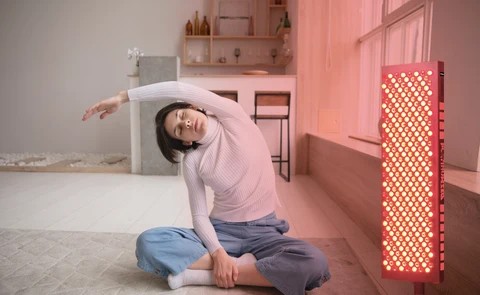
Wellness routines have expanded beyond exercise, nutrition, and sleep. Many people now examine how light exposure may affect skin condition, physical recovery, energy production, and nighttime rest. Red light therapy attracts interest because sessions can fit around established habits without requiring major schedule changes. Use may occur before training, after work, or during evening skincare. That practical format appeals to individuals seeking measured support for everyday health goals, provided expectations remain realistic and safety guidance is followed.
A Practical Addition to Self-Care
Daily self-care often depends on small actions repeated consistently. Red light therapy may sit alongside stretching, hydration, skincare, or quiet breathing exercises. Research has examined its influence on cellular energy, inflammatory activity, circulation, and tissue repair. People assessing this approach can review platinum red light therapy benefits for further information on how light exposure may complement established wellness practices without replacing medical treatment or foundational habits.
How Does Red Light Therapy Work?
Red light therapy uses selected red and near-infrared wavelengths. These bands can reach the skin and may affect cellular processes beneath its surface. Mitochondria, the structures responsible for much of a cell’s energy production, receive particular attention in current research. Increased availability of adenosine triphosphate may support repair, muscle performance, and tissue maintenance. Outcomes depend on wavelength, dose, treatment area, and individual response.
Recovery After Physical Activity
Training places temporary strain on muscle fibers, joints, and connective tissue. Red light therapy interests active adults because it may assist normal recovery after demanding exercise. Proposed effects include improved local blood flow, reduced soreness, and support for tissue repair. A brief session can accompany mobility drills, sufficient protein, hydration, and sleep. Those fundamentals still carry the greatest influence over recovery quality.
Managing Muscle Soreness
Delayed muscle soreness often develops 24 to 48 hours after unfamiliar or strenuous activity. Light exposure may reduce discomfort enough to support gentle movement during that period. It cannot diagnose a tear, fracture, or serious strain. Athletes should seek clinical assessment for swelling, weakness, sharp pain, or persistent symptoms. Used carefully, this method may serve as one option within a broader recovery plan.
Energy and Daily Performance
Cellular energy supports movement, concentration, and tissue function. Studies of red light therapy frequently examine adenosine triphosphate, a molecule that stores and supplies fuel inside cells. Improved energy availability may contribute to physical output, although evidence varies across conditions and protocols. A consistent appointment time can help users track changes in stamina, focus, or post-exercise fatigue more accurately.
Rest and Sleep Quality
Sleep quality is influenced by several factors, including stress, temperature, circadian timing, and artificial illumination. Blue-rich light late at night can interfere with melatonin release and circadian signaling. Red light generally produces less disruption, although intensity, exposure duration, and device settings still matter. A regular bedtime, reduced screen use, and a cool, quiet bedroom remain essential for reliable sleep.
Inflammation and Comfort
Inflammation helps the body respond to injury, infection, and physical stress. Problems arise when inflammatory activity remains elevated or becomes poorly controlled. Researchers are examining whether red and near-infrared wavelengths affect inflammatory signals, oxidative stress, and local discomfort. Results remain mixed across conditions and treatment methods. Anyone with persistent pain should obtain medical advice rather than relying on home light exposure alone.
Choosing a Sensible Routine
A suitable schedule depends on the device’s wavelength, intensity, treatment distance, and recommended duration. Beginning with shorter sessions may help users observe warmth, redness, irritation, or other reactions. Eye protection might be necessary, depending on equipment specifications and brightness. Keeping brief notes about skin appearance, soreness, sleep, or energy can make personal results easier to assess without relying on vague impressions.
Limits and Safety Considerations
Red light therapy does not address every condition, and evidence differs across diagnoses, doses, wavelengths, and study designs. Some medications and disorders increase sensitivity to light. Professional guidance is important for people using photosensitizing drugs, managing significant illness, or treating an unexplained injury. A careful approach protects against false expectations and ensures emerging wellness tools do not replace appropriate clinical evaluation.
Conclusion
Red light therapy has entered many wellness routines because it may support skin maintenance, exercise recovery, cellular energy, and evening comfort. Its most appropriate role is complementary. Regular sleep, movement, nutritious food, sun protection, and medical care remain central to lasting health. People who choose light-based sessions should follow device guidance, monitor their response, and allow sufficient time for evaluation. Used with restraint, this method can become a practical addition to structured self-care.