
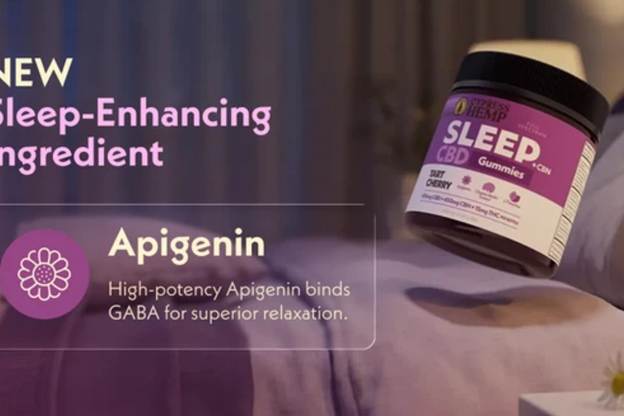
Image from Cypress Hemp
Walk into a smoke shop, a convenience store, or a wellness boutique anywhere in Westchester, and you will find shelves of hemp-derived products. Gummies, oils, drinks, balms. They sit next to ordinary retail goods, and they look like them too.
Most shoppers assume this means someone has checked them. In many cases, nobody has. Unfortunately, the difference between a tested product and one that hasn’t is invisible from the outside.
Two Different Markets, Easily Confused
New York has a licensed adult-use cannabis market with dispensaries, testing requirements, and enforcement behind it. Separately, there is a much larger and far less regulated retail trade in hemp-derived products, which exists because the 2018 Farm Bill drew the federal line at 0.3% delta-9 THC by dry weight.
Those two markets look similar to a shopper and are not the same thing. Products sold outside the licensed system may or may not have been tested, and the packaging will rarely make the distinction clear.
If you want to know what is currently permitted and licensed in New York, the Office of Cannabis Management is the authority to consult rather than a retailer’s assurance. The rules in this area have changed more than once and continue to develop.
Why the Distinction Matters at the Counter
The practical consequence is that two products sitting side by side on the same shelf may have been through entirely different levels of scrutiny, and nothing on the packaging will tell you which is which.
A product that came through the licensed system has been tested under state requirements. A product that came through the hemp trade may have been tested to a high standard by a careful producer, or not tested by anyone. Both can look professional and carry impressive-looking milligram figures.
The single question that separates them is whether the seller can show you an independent laboratory report for the specific batch you are holding. Cypress Hemp is a good example of a brand that does this.
A shop that stocks carefully will have lab reports to hand, because the producers they buy from supply them. A shop that cannot produce one is not necessarily selling something harmful, but it is selling something nobody has checked.
A Professional Label Is Not Proof of Testing
Packaging can do a remarkable amount of persuasive work. A carefully designed bottle, scientific-looking terminology, and a precise milligram figure can make a hemp product appear thoroughly verified before you have read anything beyond the front label.
Treat those details as information rather than proof. What matters is whether the claims on the package can be checked against documentation for the product itself.
Look for a batch or lot number and find the corresponding certificate of analysis. The identifying information should match, and the report should be recent enough to relate to what you are buying. If the only laboratory report available is for another batch, it cannot tell you what was measured in yours.
Check What Kind of Hemp Product You Are Buying
“CBD” is often used as shorthand for an entire category, but products can contain different cannabinoid profiles. That becomes particularly important when THC is something you want or need to avoid.
Full-spectrum products retain multiple compounds from hemp and can contain THC within applicable legal limits. Broad-spectrum products are generally formulated to remove THC while retaining other hemp compounds, while CBD isolate is intended to contain CBD alone.
Do not rely on the wording on the front of the package to make that distinction for you. Read the product information and then compare it with the laboratory report. The cannabinoid results give you a much clearer picture of what was actually detected in that particular batch.
The Drug Testing Issue Nobody Mentions at the Counter
This one catches people out, and it rarely comes up at the point of sale.
Standard workplace drug screens do not look for CBD. They look for a THC metabolite. Full-spectrum hemp products contain trace THC, and with regular use it can accumulate enough to produce a positive result.
For anyone in a job with testing, including many public-sector and transport roles across Westchester, this is a serious consideration rather than a technicality. Broad-spectrum products are formulated without THC and are the lower-risk option, but no hemp product can guarantee a particular test outcome.
For Older Shoppers in Particular
A significant share of the interest in this category comes from older adults, and there is one point worth making directly.
The same liver enzymes process cannabidiol as several common prescription medications, which means it can affect how those drugs behave.
Anyone taking regular medication should speak to their doctor or pharmacist before starting a hemp product. That conversation is free, and it is more useful than anything a retail assistant can tell you.
Final Summary
Buy from someone who publishes testing. Check the batch number and the THC line. Disregard anything that sounds like a health promise. Consider your workplace policy. Talk to your pharmacist if you take medication.
None of that is complicated, and it puts you ahead of most people shopping on a shelf that currently regulates itself.