
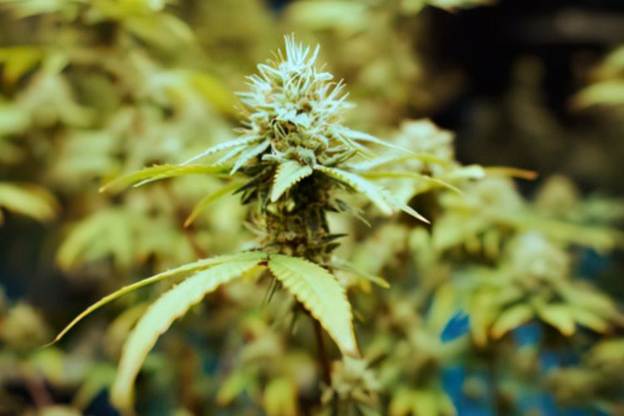
Photo by Adina Vlasceanu on Canva
The debate over cannabis legalization no longer ends with whether adults should be permitted to possess or purchase it. As legal frameworks evolve, policymakers also have to address what happens closer to home: should people be allowed to cultivate cannabis for personal use?
Home cultivation turns an already complicated political issue into a highly local one. Questions about property rights, public safety, personal freedom, neighborhood concerns, and enforcement all enter the discussion. The result is a policy challenge that requires more nuance than simply choosing between legalization and prohibition.
Legal Cannabis Does Not Automatically Mean Legal Home Growing
One source of confusion is the assumption that cannabis legalization and home cultivation are the same policy. They are not. A jurisdiction can permit certain forms of cannabis possession or purchasing while placing separate restrictions on growing plants at home.
That distinction matters for policymakers and residents alike. Rules may address who can cultivate, where plants can be kept, or whether additional conditions apply to personal growing. Local requirements can add another layer of complexity.
For residents, the practical lesson is straightforward: never assume that being able to purchase cannabis legally means you can legally grow it. People considering home cultivation need to check the current rules that apply specifically to their location and circumstances.
For governments, clear communication is equally important. If regulations are difficult to find or understand, even people attempting to comply with the law may struggle to determine what is permitted.
Personal Freedom Meets Community Regulation
Home cultivation also raises a familiar political question: how far should governments go in regulating what adults do on private property?
Supporters of personal cultivation may view growing cannabis as an extension of broader legalization policies and individual autonomy. Critics may focus on concerns about security, unauthorized access, nuisance issues, or whether home-growing rules can be effectively enforced.
Those competing interests are not unique to cannabis. Governments routinely balance individual property rights against rules intended to protect neighbors and communities.
Cannabis makes that balancing act particularly visible because the plant remains politically and legally sensitive. Policymakers therefore have to consider both individual rights and the effects that cultivation could have beyond the boundaries of one property.
Seed Access Adds Another Layer to the Debate
Once a government allows some form of personal cultivation, another question quickly follows: how do people legally obtain the starting material needed to grow a plant?
Cannabis seed retailers such as Pacific Seed Bank operate within this wider discussion about access, plant varieties, and home cultivation. Their existence illustrates how legalization creates policy questions beyond the sale of finished cannabis products.
Someone researching cannabis seeds might encounter online sources such as www.pacificseedbank.com while learning about available varieties. However, access to a website or seed listing should never be treated as proof that cultivation is permitted in a particular jurisdiction.
This distinction highlights a broader challenge created by online commerce. Websites can be viewed across jurisdictional boundaries, while laws remain tied to particular places. Public policy must account for a marketplace in which information and products can cross borders far more easily than the regulations governing their use.
Local Governments Face Practical Questions
National and state-level debates tend to attract the most attention, but many practical concerns surrounding home cultivation emerge locally.
Communities may have to decide how existing rules interact with cannabis growing. Relevant questions can include:
- How should cultivation rules apply to rented properties?
- What responsibilities fall to property owners?
- How should complaints between neighbors be handled?
- Which agencies are responsible for enforcing local requirements?
- How can regulations be communicated clearly to residents?
There is also the question of proportionality. Rules need to address legitimate community concerns without becoming so complicated that ordinary residents cannot reasonably understand them.
Clear guidance can help here. Local authorities can separate rules concerning personal cultivation from those applying to commercial operations and explain which restrictions are relevant to households. Accessible information also reduces dependence on social media posts, outdated articles, or advice from people living under completely different laws.
Home Growing Complicates Enforcement
Enforcement is another reason personal cultivation has become a public policy issue. A rule is only useful if people can understand it and authorities can apply it consistently.
Home cultivation can blur boundaries between private behavior and regulated activity. Policymakers must determine which situations justify government involvement and which should remain private matters. They also need to consider how enforcement priorities fit alongside other demands on local agencies.
Poorly designed rules can create uncertainty for everyone involved. Residents may not know whether they are complying, neighbors may not know where legitimate concerns should be reported, and officials may face regulations that are difficult to interpret in practice.
A more workable approach begins with clarity. Policymakers need to define the purpose of restrictions, communicate them in plain language, and consider whether enforcement mechanisms are realistic. Residents, meanwhile, should rely on current official guidance rather than assumptions about what legalization allows.
The Debate Reflects a Larger Shift in Cannabis Policy
Home cultivation demonstrates how cannabis policy becomes more complicated after the initial legalization debate. Once lawmakers move beyond the question of prohibition, they have to design rules for real-world situations.
That includes decisions about commercial sales, agriculture, private property, consumer access, local authority, and personal cultivation. These areas overlap, which means a change in one part of the legal framework can create new questions elsewhere.
The debate also shows why cannabis policy cannot always be reduced to simple positions for or against legalization. Someone might support legal possession while favoring restrictions on home growing.
Another person might support personal cultivation while advocating strict rules for commercial production. Public opinion and policymaking can contain far more variation than a binary debate suggests.
Final Thoughts
Home cannabis cultivation sits at the intersection of personal freedom, property rights, community interests, commerce, and government regulation. That makes it more than a gardening question. It is part of the wider challenge policymakers face as cannabis laws develop.
For residents, the most practical step is to distinguish general legalization from the specific rules governing cultivation and to check current official guidance before acting. For governments, the challenge is creating regulations that are understandable, proportionate, and realistic to enforce.
As cannabis policy continues to mature, debates about what happens inside homes and gardens may become just as significant as debates about what happens at the point of sale.