
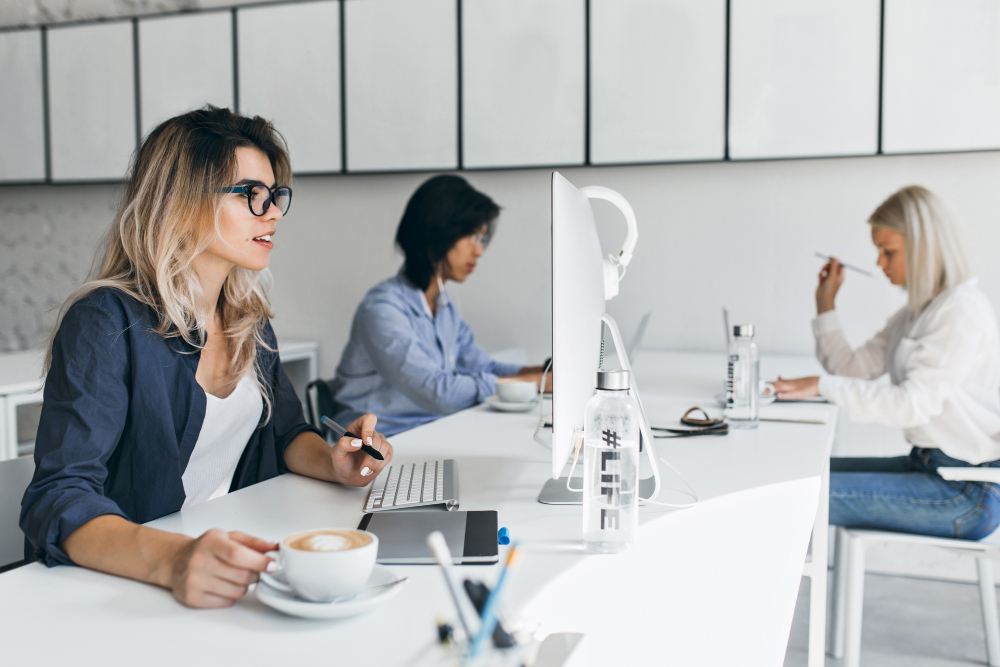
In today’s rapidly evolving business landscape, optimizing office space has become more crucial than ever. As companies seek to create environments that foster creativity, collaboration, and productivity, innovative space management solutions are paramount. From flexible layouts to integrating technology, modern workplaces are transforming to meet the demands of a dynamic workforce. This article explores various strategies and tools that businesses can use to maximize their office space, ensuring that every square foot is utilized efficiently and effectively.
CREATING FLEXIBLE WORKSPACES
Creating flexible workspaces has become a key strategy for businesses looking to maximize their office space. Traditional office settings with rigid desk assignments are giving way to open layouts that can be reconfigured as needed. By incorporating mobile furniture and modular partitions, companies can quickly adapt to shifting team sizes and project priorities. This not only enhances the ability to collaborate but also allows for greater individual focus when required. Flexibility in workspace design empowers employees to choose environments that best support their tasks, whether that’s in a quiet corner for focused work or in a collaborative zone for team meetings.
Embracing a flexible workspace also involves integrating technology that complements these physical changes. Companies are utilizing cloud-based solutions and digital tools that enable work to continue seamlessly, whether in or out of the office. Wireless connectivity and mobile devices further support the transition to a more adaptable workplace. As a result, offices are no longer tethered to static workstations but are evolving into dynamic, engaging environments that promote productivity and well-being.
IMPLEMENTING VERIFIED PEPTIDES IN WORKPLACE WELLNESS PROGRAMS
As companies aim to improve workplace health and wellness, they are exploring various supplements and treatments that can enhance employee well-being. One innovative approach is the use of Verified Peptides as part of corporate wellness programs. Peptides, short chains of amino acids, have shown promise in supporting a range of health benefits, including improved cognitive function, enhanced physical recovery, and overall vitality.
Incorporating peptides into wellness programs can be part of a broader strategy to promote employee health and productivity. These programs can include educational sessions on nutrition, stress management workshops, and customized fitness plans. By adopting such progressive measures, companies not only improve their employees’ health but also boost morale and strengthen their corporate culture.
ROLLOUT OF MODERN STORAGE SOLUTIONS
An area often overlooked in office space optimization is storage. As businesses digitize, the need for traditional storage solutions has diminished, yet there’s still a necessity for efficient physical storage of crucial items. This is where roller racking systems come into play. Roller racking offers a sophisticated solution to office storage by maximizing vertical space and providing easy access to stored items. These systems not only save floor space but also make it easier to organize and retrieve documents and equipment, thereby improving overall office efficiency.
Roller racking systems are designed with customization in mind, allowing businesses to tailor their storage facilities to specific needs. For offices with extensive archival needs, these systems are invaluable, providing a compact and organized method for storing large volumes of documentation without sacrificing valuable floor space. By incorporating such modern storage solutions, offices can maintain a clean, clutter-free environment conducive to productivity and efficiency.
LEVERAGING TECHNOLOGY FOR SPACE MANAGEMENT
The incorporation of advanced technology is revolutionizing how office spaces are managed. Smart sensors and IoT devices now enable more efficient use of space by providing real-time data on occupancy and space utilization. This data-driven approach allows businesses to identify underused areas and make informed decisions on space reallocation or redesign. By understanding the patterns of how space is used, companies can optimize layouts to suit employee needs better, ultimately enhancing workplace satisfaction and performance.
Tech integration extends to enhancing communication and collaboration tools within the office environment. Video conferencing technology, interactive screens, and virtual collaboration platforms mean that teams can work together seamlessly, regardless of physical location. This reduces the need for large conference rooms, allowing for the creation of smaller, adaptable meeting areas that are more efficient and easier to book. With these technological advancements, offices can maintain a balance between physical presence and remote collaboration, fostering a more inclusive and versatile working environment.
THE RISE OF MULTI-USE SPACES
Modern offices are embracing the concept of multi-use spaces, which can serve various functions depending on the time of day or specific needs of the workforce. These spaces are designed to support a range of activities, from informal gatherings and creative brainstorming sessions to formal presentations and individual work. The adaptability of multi-use spaces means they can be quickly transformed from a bustling collaborative hub into a quiet, reflective area with minimal effort.
Design elements such as movable walls, adaptable lighting, and flexible furniture configurations are crucial in the creation of multi-use spaces. By enabling rapid transitions between different setups, businesses can ensure that every part of the office contributes to its overall objectives. This adaptability not only maximizes space usage but also enhances employee satisfaction by providing environments that cater to diverse working styles and preferences.
INTEGRATING BIOPHILIC DESIGN ELEMENTS
Biophilic design is the practice of incorporating natural elements into the workplace to improve employee well-being and productivity. By integrating elements such as natural light, plants, and natural materials, offices can create environments that lower stress and increase satisfaction and engagement among employees. The appeal of biophilic design lies in its ability to transform an office into a more welcoming and healthier space, which is particularly important in urban settings where access to nature may be limited.
Biophilic design does not only mean adding plants to empty corners but also involves the strategic use of natural light, minimizing artificial lighting, and using materials such as wood and stone that connect the interior space to the natural world. These strategies can enhance employees’ cognitive function and creativity while reducing the negative impacts of prolonged computer use and office confinement.
OPTIMIZING WELLNESS AND COMFORT
The shift toward optimizing office space is not just about efficiency but also about ensuring wellness and comfort for employees. This involves creating spaces that support physical health, such as standing desks or areas dedicated to physical activity. Providing a variety of seating options and ergonomic furniture helps reduce fatigue and stress, encouraging better posture and reducing the risk of work-related injuries.
Importantly, wellness optimization in the office extends to mental health support, with quiet zones and relaxation areas that allow employees to recharge during their workday. By consciously designing spaces where workers can take breaks, meditate, or simply enjoy a change of scenery, businesses can foster an environment where employees feel valued and cared for, leading to increased loyalty and productivity.
THE ROLE OF SUSTAINABILITY IN OFFICE DESIGN
Sustainability is becoming a central factor in modern office design, not only for its environmental benefits but also for its appeal to eco-conscious employees and clients. Companies are integrating sustainable practices into their spaces by using recycled materials, energy-efficient systems, and sustainable furniture options. Energy-efficient lighting, along with superior insulation and ventilation systems, reduce carbon footprints while enhancing the overall quality of the office environment.
Furthermore, initiatives such as rainwater harvesting, waste reduction programs, and promoting public transportation among employees contribute to an eco-friendly workplace. These efforts can resonate strongly with a workforce increasingly concerned with environmental issues, creating a sense of community and shared responsibility within the company.
ENHANCING COLLABORATION THROUGH DESIGN
Designing spaces that enhance collaboration is a pivotal aspect of maximizing office space in today’s interconnected work environments. Encouraging collaboration involves creating spaces that break down conventional barriers and promote open communication between employees. This may include open floor plans with communal workstations or breakout areas where spontaneous meetings can occur.
Incorporating elements such as writable walls, modular furniture, and technology-enabled collaboration spaces can further enhance the interchange of ideas. These spaces should also be flexible enough to accommodate various types of interactions, from small group huddles to larger gatherings. By putting collaboration at the forefront of design, companies can harness the collective creativity and innovation of their teams, leading to more dynamic and successful business outcomes.
CONCLUSION
Optimizing modern office space is a multifaceted endeavor that combines innovative design with technology, wellness, and sustainability. By rethinking traditional office layouts and integrating flexible, dynamic solutions, businesses can create environments that not only maximize space but also enhance employee satisfaction and productivity. Whether it’s through the adoption of advanced storage solutions like roller racking, the integration of biophilic elements, or the incorporation of cutting-edge wellness programs, each step towards a more efficient and engaging workspace is an investment in the future success of the company. Embracing these innovations will ensure that workplaces are adaptable, supportive, and vibrant, positioning businesses to thrive in an ever-evolving world.