
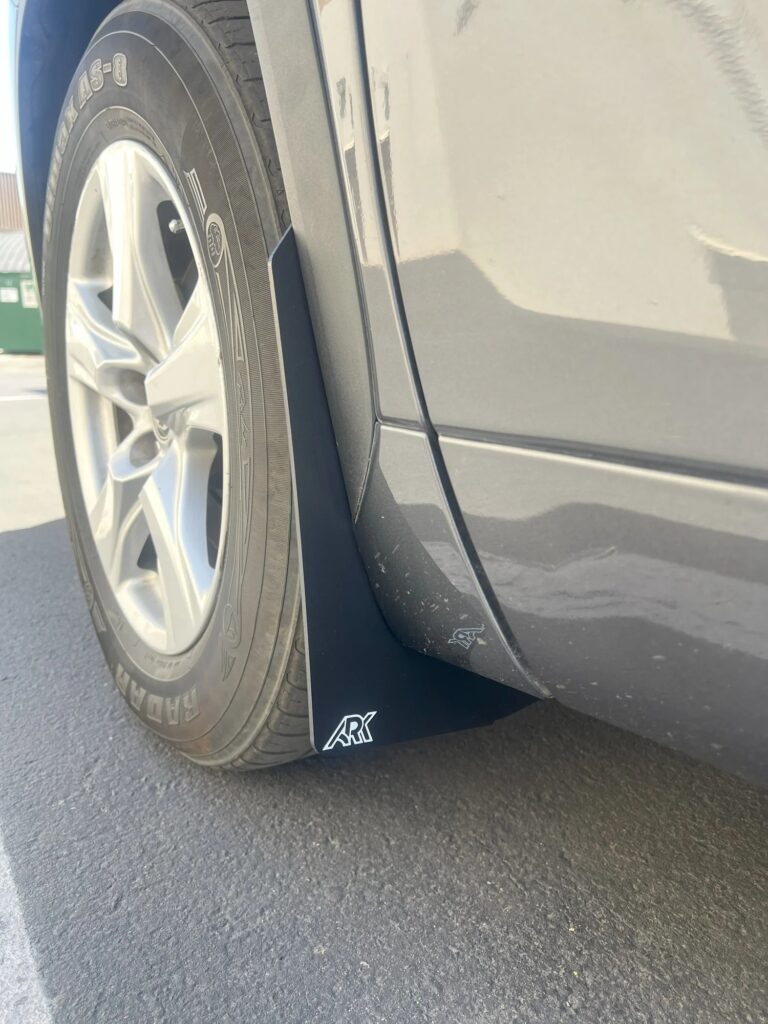
The Toyota Highlander is known for blending family-friendly comfort with the versatility needed for road trips, outdoor adventures, and changing weather conditions. Its spacious interior, elevated ride height, and available all-wheel-drive systems make it a practical choice for drivers who regularly move between city streets and rougher terrain. However, that versatility can expose the lower body of the vehicle to mud, stones, sand, road salt, and other debris. The tires can throw these materials against the doors, rocker panels, wheel wells, and rear bumper during everyday driving. Upgrading Toyota Highlander splash guards is a simple way to improve exterior protection while supporting the SUV’s rugged appearance.
Why the Highlander Needs Extra Protection
The Highlander sits higher than a typical passenger car, which helps provide visibility and clearance on uneven roads. That added height does not stop the tires from launching water, gravel, and dirt toward the body panels. In fact, wider tires and more aggressive tread designs can increase the amount of debris that gets thrown outward. Drivers who frequently travel on rural roads, construction routes, gravel driveways, or muddy trails may notice buildup and cosmetic wear more quickly. Splash guards create an additional barrier between the tires and the most vulnerable parts of the vehicle.
Weather conditions can make the problem worse throughout the year. Rain mixes with road grime and creates a dirty spray that coats the lower doors and side panels. Snow and slush can carry salt and deicing chemicals into wheel wells and around exterior trim. Dry summer roads may produce dust, loose asphalt, and small stones that strike painted surfaces. Even a short drive through these conditions can leave visible marks along the lower body. Toyota Highlander splash guards help reduce this exposure by redirecting debris toward the road.
Factory Splash Guards Versus Aftermarket Upgrades
Some Highlanders are equipped with factory splash guards, while others may require them to be added as an accessory. Factory guards are usually designed to match the vehicle’s body lines and provide a clean, understated appearance. They often use existing mounting points and may be easier to install without modifying the vehicle. However, factory designs can be relatively compact, which may limit their effectiveness in severe weather or on rough roads. Drivers who need greater coverage may prefer larger aftermarket options.
Aftermarket splash guards are available in a wider range of materials, lengths, and styles. Some are molded to fit a specific Highlander model year, while others use a more flexible mud-flap design. Longer products may block more spray and provide better protection for drivers who frequently leave paved roads. However, oversized guards can reduce ground clearance or look out of proportion if they are not selected carefully. The best choice depends on the vehicle’s use, wheel setup, and the owner’s preferred appearance.
Benefits of Upgrading Toyota Highlander Splash Guards
One of the most noticeable benefits of upgraded splash guards is a cleaner exterior. By limiting the amount of mud, water, and grime thrown onto the vehicle, the guards can reduce buildup on lower body panels. This may make routine washing faster and help the Highlander maintain a well-kept appearance between cleanings. The improvement can be especially valuable for families who use their SUV every day and do not have time for frequent detailing. Cleaner doors also mean passengers are less likely to brush against heavy dirt when entering or leaving the vehicle.
Additional benefits may include:
- Reduced exposure to gravel, sand, and loose road debris
- Less mud and water collecting on the lower doors
- Improved protection against road salt and winter slush
- A more rugged or finished exterior appearance
- Reduced cleaning around rocker panels and wheel wells
- Better coverage for wider wheels or replacement tires
Splash guards cannot eliminate every type of exterior damage. Rocks from passing vehicles, branches, and airborne debris can still reach the body from other directions. However, splash guards can significantly reduce direct spray from the Highlander’s own tires. This targeted protection is valuable because tire spray occurs during almost every drive in wet, dirty, or loose conditions. Over time, reducing that repeated exposure may help preserve exterior surfaces.
Choosing the Right Material
Splash guard materials affect durability, flexibility, and appearance. Rigid molded plastic is commonly used for factory-style products because it follows the shape of the wheel arch and maintains a clean profile. These guards tend to remain stable at highway speeds and can blend naturally with the vehicle’s exterior trim. However, very rigid materials may be more vulnerable to cracking if they strike a curb, deep snowbank, or off-road obstacle. Drivers who travel on uneven surfaces may need a more flexible option.
Rubber and flexible thermoplastic guards can bend when they contact debris or rough terrain. This flexibility may help prevent damage during off-road use or winter driving. Longer flexible flaps can also offer greater coverage behind the tires, making them popular among drivers who travel on gravel or muddy roads. Some products combine a rigid mounting section with a flexible lower edge for a balance of stability and movement. Buyers should compare thickness, temperature resistance, and manufacturer fitment information before choosing a set.
Fitment Matters More Than Appearance Alone
A splash guard must fit correctly to provide effective protection. Products designed for the wrong model year may leave gaps, interfere with trim, or fail to align with factory mounting holes. Highlander body shapes, wheel arch designs, and bumper contours can change between generations and trim levels. Hybrid models, sport-oriented trims, and vehicles with side steps may also have different compatibility requirements. Checking exact fitment prevents frustration and reduces the risk of an insecure installation.
Wheel and tire modifications should also be considered. Wider tires may extend farther from the body and create a broader spray pattern. A narrow factory-style guard may not provide enough coverage for that setup. On the other hand, a very wide guard may be unnecessary for a Highlander with standard wheels and tires. Measuring the tire position relative to the body can help owners select Toyota Highlander splash guards that provide useful coverage without excessive bulk.
Installation and Maintenance Considerations
Many vehicle-specific splash guard kits use existing screws, bolts, or plastic clips. This can make installation manageable for owners who are comfortable with basic automotive tasks. Some kits can be installed without removing the wheels, although turning the front wheels may provide more working space. Rear installation can be more difficult if the fasteners are positioned close to the tire. Following the manufacturer’s instructions is essential for proper alignment and secure mounting.
Incorrect installation can lead to rattling, rubbing, or loose guards. Fasteners should be tightened evenly, but excessive force can damage plastic clips or trim. The guards should sit flush against the body without trapping large gaps of dirt and moisture. Owners should inspect the mounting hardware periodically, especially after driving through deep mud, heavy snow, or rough terrain. A quick check during routine washing can prevent a loose splash guard from becoming damaged or falling off.
Maintenance is relatively simple but should not be ignored. Dirt, salt, and sand can collect behind the guards over time. These materials should be rinsed away to prevent abrasion and buildup around mounting points. A deeper cleaning may require temporarily loosening or removing the guard. Regular maintenance helps preserve both the accessory and the vehicle surface underneath it.
When an Upgrade Makes the Most Sense
Not every Highlander owner needs heavy-duty mud flaps, but certain driving conditions make an upgrade especially practical. Families who camp, hike, ski, or visit rural areas may regularly travel on roads covered with mud, gravel, or snow. Drivers in regions that use road salt can benefit from reducing the amount of corrosive residue sprayed onto lower exterior areas. Owners who tow boats or trailers may also encounter wet ramps, dirt lots, and unpaved access roads. These situations create more opportunities for the tires to throw debris.
An upgrade may be useful for drivers who regularly face:
- Gravel roads and unpaved driveways
- Snow, slush, and road salt
- Muddy campsites or trail access points
- Construction zones and loose asphalt
- Heavy rain and standing water
- Wider aftermarket wheels and tires
The ideal guard should match the vehicle’s real-world use. A compact molded set may be enough for suburban commuting and occasional bad weather. Larger flexible guards may be better suited to frequent outdoor travel or rough-road conditions. Choosing based on driving habits rather than appearance alone usually leads to better results. A properly selected set can provide practical protection without interfering with daily use.
Frequently Asked Questions
Do Toyota Highlander splash guards prevent paint chips?
They can reduce chips caused by stones and debris thrown by the Highlander’s own tires. They cannot prevent every chip because debris from other vehicles can still strike the body. Their effectiveness depends on size, coverage, tire width, and installation quality. Splash guards work best as part of a broader exterior protection strategy. Paint protection film can provide added protection for high-impact areas.
Are splash guards useful for city driving?
Yes, city roads often contain water, sand, oil residue, construction debris, and loose gravel. Tires can throw these materials onto lower doors and rocker panels during normal commuting. Splash guards may also help keep the vehicle cleaner after rain. The benefit is not limited to off-road driving. Urban drivers can still see meaningful improvements in cleanliness and protection.
Will splash guards reduce ground clearance?
Small molded guards usually have little effect on practical clearance. Longer mud flaps may hang lower and could contact curbs, deep snow, or uneven terrain. Flexible materials are often better for drivers concerned about occasional contact. Buyers should compare product dimensions before purchasing. The right size should provide protection without becoming an obstacle.
Can splash guards be installed without drilling?
Many Highlander-specific kits use factory mounting holes and existing hardware. Some aftermarket products may require drilling or additional clips. Installation requirements vary by brand, model year, and trim. Product instructions should be reviewed before ordering. A no-drill kit is often the easiest option for a clean installation.
Do splash guards work with running boards?
Compatibility depends on the design of both accessories. Some running boards extend close to the wheel openings and may interfere with larger guards. Vehicle-specific products may account for factory side steps or running boards. Owners should check product notes and inspect the available mounting space. Selecting compatible accessories helps avoid trimming or modification.
How often should splash guards be inspected?
They should be checked during routine washes and after driving through rough conditions. Look for loose screws, cracked material, trapped dirt, or contact with the tire. Winter weather and off-road driving can put extra stress on mounting hardware. Addressing small issues early can prevent more serious damage. A quick inspection only takes a few minutes.
A Practical Upgrade for Family Adventures
The Toyota Highlander is designed to handle school runs, daily commutes, road trips, and outdoor activities with equal confidence. Those varied uses can expose the vehicle to dirt, water, gravel, salt, and other materials that gradually affect its exterior. Upgrading Toyota Highlander splash guards provides a simple way to reduce tire spray and protect vulnerable lower body areas. The right set can also improve appearance, simplify cleaning, and support the SUV’s adventure-ready character. For families who want practical protection without a complicated modification, quality splash guards are a worthwhile addition.