
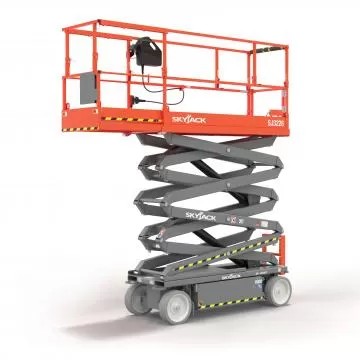
A scissor lift should remain stable at its selected height until the operator intentionally lowers it. When the platform slowly sinks without input, the issue is commonly described as a scissor lift drifting down. This condition may start as a minor inconvenience, but it can quickly become a serious safety and productivity concern. Hydraulic pressure, control valves, cylinders, seals, and fluid condition all play a role in keeping the platform elevated. A problem with any of these components can allow the lift to lose height gradually. Understanding the possible causes can help you recognize when the equipment needs immediate attention.
What Does Scissor Lift Drift Mean?
Scissor lift drift occurs when an elevated platform slowly lowers even though the lowering controls have not been activated. The movement may be barely noticeable at first, or the platform may lose several inches of height in a short period. In many cases, the problem becomes more obvious when the platform is carrying tools, materials, or workers. Drift can affect electric, diesel, rough-terrain, and slab scissor lifts that rely on hydraulic systems for elevation. Although some hydraulic systems may experience minimal settling, continuous or measurable movement should not be ignored. A qualified technician can determine whether the movement is within the manufacturer’s limits or indicates a mechanical defect.
Low or Contaminated Hydraulic Fluid
Hydraulic fluid transfers pressure through the lift system and allows the cylinders to raise and support the platform. If the fluid level is too low, the system may not maintain consistent pressure while the platform is elevated. Air can also enter the hydraulic lines, creating spongy movement, hesitation, or gradual lowering. Contaminated fluid may contain dirt, moisture, metal particles, or degraded additives that interfere with valves and damage internal seals. Using the wrong type of hydraulic fluid can create similar problems because viscosity and performance vary between products. Checking the fluid level and condition is an important early step when diagnosing a scissor lift that will not hold its position.
Common signs of hydraulic fluid problems include:
- Cloudy, dark, or unusually thick fluid
- Foaming inside the hydraulic reservoir
- Jerky or uneven platform movement
- Unusual pump noise
- Visible leaks near hoses, fittings, or cylinders
- Slower-than-normal lifting performance
Worn or Damaged Hydraulic Cylinder Seals
The hydraulic cylinders support the platform by containing pressurized fluid behind internal pistons and seals. When those seals become worn, cracked, hardened, or damaged, fluid may bypass the piston inside the cylinder. This internal leakage can cause the lift to descend even when there is no visible fluid on the exterior. Cylinder seals can deteriorate because of age, contamination, excessive heat, improper fluid, or repeated overloading. Rust, scoring, or damage on the cylinder rod may also tear seals and allow pressure loss. A cylinder inspection and pressure test can help confirm whether the internal bypass is causing the platform to drift.
External leakage around a cylinder should also be treated seriously. Fluid around the rod, barrel, fittings, or mounting area may indicate a failed seal or loose connection. Even a small leak can reduce system pressure and worsen as the equipment continues operating. Hydraulic fluid can also create slippery surfaces and environmental concerns in the work area. Simply adding more fluid does not correct the source of the leak. The damaged seal, fitting, hose, or cylinder must be repaired or replaced before the lift returns to service.
A Malfunctioning Holding or Check Valve
Scissor lifts use holding valves, check valves, and counterbalance valves to control hydraulic fluid and prevent unintended platform movement. If a valve becomes worn, contaminated, incorrectly adjusted, or stuck partially open, fluid may flow back toward the reservoir. That pressure loss allows the platform to lower gradually under its own weight. Tiny particles in contaminated hydraulic fluid can prevent a valve from sealing completely. Internal valve wear can produce the same result even when the valve appears normal from the outside. Because these components affect load control, valve repairs should be performed by a technician familiar with the specific lift model.
A technician may isolate different parts of the hydraulic circuit to determine where pressure is escaping. The testing process can include checking system pressure, inspecting valve cartridges, examining O-rings, and monitoring the cylinder for internal bypass. Replacing a valve without confirming the source of the problem may lead to unnecessary repair costs. A drifting platform may involve the cylinder, the valve block, or multiple components at the same time. Manufacturer specifications are important because valve settings and pressure requirements differ by model. Professional scissor lift repair services can perform these tests safely and recommend the correct repair.
Leaking Hydraulic Hoses or Loose Fittings
Hydraulic hoses carry pressurized fluid between the pump, valve assembly, reservoir, and cylinders. A cracked hose, damaged fitting, loose connection, or deteriorated O-ring can allow enough fluid to escape to reduce holding pressure. Some leaks are easy to identify because they leave wet spots, stains, or puddles. Others appear only when the lift is under load, and the hydraulic system reaches higher pressure. Hoses may also develop internal damage that restricts flow or weakens the hose wall without producing an immediate external leak. Inspecting every accessible hose and fitting can help locate issues before they lead to sudden failure.
Never use your bare hand to search for a pressurized hydraulic leak. Escaping fluid can penetrate the skin and cause a severe medical emergency. The lift should be lowered, shut down, secured, and depressurized according to the manufacturer’s procedures before components are inspected closely. Cardboard or another approved leak-detection method may be used by trained personnel when appropriate. Damaged hydraulic lines should be replaced with parts that meet the lift manufacturer’s pressure and compatibility requirements. Temporary patches are not a safe solution for high-pressure hydraulic systems.
Excessive Loads and Uneven Weight Distribution
Every scissor lift has a rated platform capacity that includes workers, tools, materials, and accessories. Exceeding that limit places additional pressure on the hydraulic system, cylinders, structural components, and safety devices. Even when the total load is technically within capacity, uneven distribution can affect stability and system performance. Concentrating heavy materials on one side of the platform may create unusual stress and make existing hydraulic problems more noticeable. Overloading can also accelerate seal wear, damage valves, and contribute to premature component failure. Operators should always verify the rated capacity and distribute materials according to the manufacturer’s instructions.
Before elevating the platform, confirm that:
- The total load is within the rated capacity
- Materials are secured against movement
- Weight is distributed as evenly as possible
- Platform extensions are used within their limits
- Accessories are approved for the specific lift
- The ground is firm, level, and suitable for operation
Temperature and Environmental Conditions
Temperature changes can affect hydraulic fluid viscosity, seal flexibility, battery performance, and overall lift operation. In cold conditions, hydraulic fluid may thicken and move more slowly through the system. In high temperatures, fluid may become thinner and pass more easily through worn seals or valves. Extreme heat can also accelerate fluid degradation and damage rubber components over time. Dirt, dust, moisture, and corrosive environments may contaminate hydraulic components or contribute to seal and cylinder damage. Equipment used outdoors or in demanding industrial settings may require more frequent inspections and preventive maintenance.
Environmental conditions do not usually excuse significant platform movement. Instead, they may expose an existing weakness in the hydraulic system. For example, a worn seal might hold adequately when the fluid is cold but begin leaking internally as the system warms. Technicians should consider operating temperature and jobsite conditions while testing the equipment. The correct fluid grade and maintenance interval may vary based on climate and usage. Always follow the manufacturer’s recommendations for fluid selection, storage, warm-up procedures, and inspection frequency.
Why Scissor Lift Drift Is a Safety Concern
An elevated platform that cannot maintain its height may expose workers to crushing, collision, and entrapment hazards. Unexpected movement can bring the platform closer to beams, ceilings, piping, electrical lines, door frames, or other overhead structures. Drift may also cause workers to reposition the machine repeatedly, increasing downtime and encouraging unsafe workarounds. The underlying hydraulic problem could worsen and lead to faster or less predictable movement. Continuing to operate the equipment may also increase damage to cylinders, pumps, valves, and structural parts. A lift showing unexplained downward movement should be removed from service until it has been properly inspected.
Operators should not attempt to compensate by repeatedly pressing the lift control to regain height. This approach does not resolve the pressure loss and may make it harder to recognize how quickly the platform is descending. Blocking, clamping, or modifying hydraulic components is also dangerous and may disable built-in safety features. Only approved maintenance supports should be used when servicing the lift mechanism. Lockout and tagout procedures should be followed whenever required by the workplace and manufacturer. Safety decals, service manuals, and inspection records should remain available to operators and maintenance personnel.
Frequently Asked Questions
Is it normal for a scissor lift to lower slightly over time?
A very small amount of settling may fall within the manufacturer’s allowable limits for certain models. Continuous movement, rapid height loss, or drift that affects work should be treated as a malfunction. Measure the amount of movement over a specific period and compare it with the service manual. A technician can confirm whether repairs are necessary.
Can low hydraulic fluid make a scissor lift drift down?
Yes, low fluid can reduce hydraulic performance and allow air to enter the system. However, fluid loss usually means there is a leak that must be located and repaired. Adding fluid without correcting the leak is only temporary. Use only the hydraulic fluid specified by the manufacturer.
Can I continue using the lift if the drift is slow?
No, unexplained platform movement can become worse without warning. The lift should be lowered safely, tagged out, and inspected before further operation. Slow drift may indicate a failing seal, valve, hose, or fitting. Continued use could increase both safety risks and repair costs.
How can a technician determine whether the valve or cylinder is faulty?
A technician can perform pressure, isolation, and leak-down tests on the hydraulic circuit. These tests show whether fluid is bypassing the cylinder piston or escaping through a control valve. The procedure depends on the lift model and hydraulic design. Service information from the manufacturer should guide the diagnosis.
How often should a scissor lift’s hydraulic system be inspected?
Operators should complete pre-use inspections before each shift or work period. More detailed maintenance should follow the manufacturer’s hour-based and calendar-based schedule. High-use or harsh-environment equipment may need more frequent service. Inspection records can help identify recurring leaks or performance changes.
Will replacing the hydraulic fluid stop platform drift?
Fresh fluid may help if contamination or incorrect viscosity is affecting valve operation. It will not repair damaged seals, worn valves, cracked hoses, or faulty cylinders. The system must be diagnosed before assuming a fluid change will solve the issue. Flushing may also be necessary when contamination is severe.
When to Schedule Professional Scissor Lift Repair Services
Professional service is necessary when a lift loses height, leaks hydraulic fluid, moves unevenly, makes unusual noises, or fails a load-holding test. Trained technicians have the equipment and service information needed to evaluate cylinders, valves, hoses, fittings, pumps, and safety systems. They can also identify related problems that may not be visible during a basic operator inspection. Timely scissor lift repair services can reduce downtime and help prevent minor defects from becoming major component failures. Repair documentation also provides a valuable record for maintenance planning, workplace inspections, and equipment management. The lift should remain out of service until the problem has been corrected and safe operation has been verified.
Preventing Future Scissor Lift Drift
Preventive maintenance is the most effective way to reduce the risk of a scissor lift drifting down. Daily inspections should look for leaks, damaged hoses, loose fittings, abnormal noises, uneven movement, and changes in lifting speed. Hydraulic fluid should be checked and replaced according to the manufacturer’s schedule, using the correct grade and filtration procedures. Operators should avoid overloading the platform, bypassing safety devices, or using the machine outside its intended environment. Maintenance teams should document repairs and investigate repeated fluid loss rather than continually topping off the reservoir. Consistent inspections, proper operation, and prompt professional repairs help keep the lift stable, reliable, and ready for safe use.