
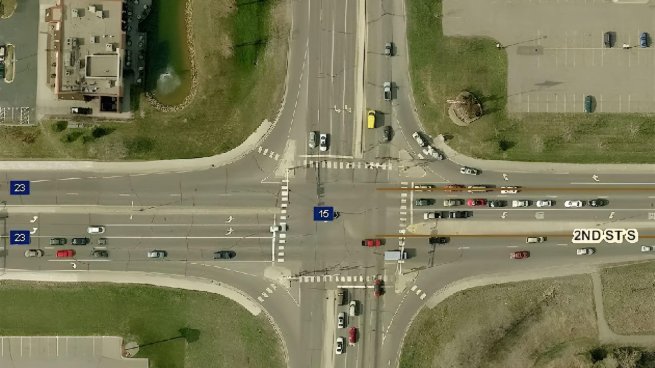
Certain roads in St. Cloud are more dangerous than others because of factors such as heavy traffic volume, complex intersections, speeding, distracted driving, poor visibility, and road design issues. While accidents can happen anywhere, some roads consistently experience a higher number of collisions due to a combination of driver behavior and environmental conditions.
Understanding these risk factors can help motorists make safer decisions and remain more alert while traveling. Many discussions about traffic safety focus on the most dangerous road intersections because intersections are often where vehicles, pedestrians, and cyclists interact in ways that increase the likelihood of crashes.
By examining what makes certain roads more hazardous, drivers can better understand how to reduce their risk of being involved in an accident.
Heavy Traffic Creates More Opportunities for Accidents
One of the biggest reasons certain roads experience more accidents is the sheer volume of vehicles that use them every day.
Roads that serve as major commuting routes often see:
- Increased congestion
- Frequent lane changes
- Sudden braking
- Driver frustration
As traffic density increases, so does the likelihood of mistakes that can lead to collisions. Even a small error can have serious consequences when vehicles are traveling close together.
High-traffic corridors tend to experience a greater number of rear-end accidents, side-swipe collisions, and multi-vehicle crashes.
Intersections Are High-Risk Areas
Intersections are among the most dangerous locations on any roadway system.
Drivers must make multiple decisions in a short period of time, including the following:
- Judging traffic gaps
- Obeying traffic signals
- Watching for pedestrians
- Monitoring turning vehicles
A single mistake can result in a serious collision. Left-turn accidents are especially common because drivers often misjudge the speed or distance of approaching vehicles.
Busy intersections with multiple lanes and heavy traffic flow can become particularly hazardous during peak travel periods.
Speeding Increases Crash Severity
Speed remains one of the leading contributors to serious traffic accidents.
When drivers exceed posted speed limits, they have less time to react to unexpected situations. Higher speeds also increase stopping distances and make collisions more severe when they occur.
Even on well-designed roads, speeding can turn a minor incident into a catastrophic crash.
Drivers traveling too fast may struggle to safely navigate curves, merge into traffic, or respond to sudden changes in road conditions.
Distracted Driving Continues to Be a Major Problem
Modern technology has created new distractions for drivers.
Common distractions include:
- Text messaging
- Mobile phone use
- GPS adjustments
- Eating while driving
- Passenger interactions
Even a few seconds of inattention can cause a driver to miss critical information on the road.
Distracted driving is particularly dangerous at intersections and in congested traffic areas where conditions can change rapidly.
Road Design Can Influence Safety
Not all roads are designed the same way. Certain design features can increase accident risks.
Examples include:
- Sharp curves
- Limited sight distance
- Short merge lanes
- Poorly marked lanes
- Inadequate lighting
Drivers may have difficulty identifying hazards or reacting appropriately when road designs create visibility or navigation challenges.
Road improvements often focus on addressing these issues to reduce crash frequency and improve overall traffic safety.
Weather and Visibility Conditions Matter
Environmental conditions can make already dangerous roads even more hazardous.
Rain, fog, and low-light conditions may reduce visibility and affect vehicle control. Drivers who fail to adjust their speed for weather conditions increase the risk of accidents.
Poor visibility can make it harder to recognize traffic signals, pedestrians, stopped vehicles, and other potential hazards.
Extra caution is often necessary during adverse weather conditions.
Driver Familiarity Plays a Role
Local drivers often become comfortable with familiar routes, sometimes leading to complacency.
Meanwhile, visitors may be unfamiliar with road layouts, traffic patterns, and local driving conditions. Both situations can contribute to accidents.
Drivers who assume they know a road well may pay less attention to changing conditions, while unfamiliar drivers may make sudden decisions or miss important traffic signs.
Remaining alert is important regardless of how often a road is traveled.
Legal Responsibility After a Crash
When accidents occur on dangerous roads, determining liability is still an important legal issue. Drivers have a duty to operate their vehicles safely regardless of road conditions.
Under Florida law, Florida Statutes § 316.1925 addresses careless driving and requires motorists to drive in a careful and prudent manner while considering roadway, traffic, and weather conditions.
Even on roads known for frequent accidents, negligent or reckless behavior can result in legal responsibility for damages and injuries.
How Drivers Can Reduce Their Risk
Although some roads present greater risks, drivers can take steps to improve their safety.
Practical safety measures include the following:
- Following posted speed limits
- Avoiding distractions
- Maintaining safe following distances
- Using extra caution at intersections
- Adjusting driving behavior during poor weather
Defensive driving habits can significantly reduce the likelihood of being involved in a crash.
Key Takeaways
- Certain roads become more dangerous due to traffic volume, road design, and driver behavior.
- Intersections are among the highest-risk areas for collisions.
- Speeding increases both crash risk and injury severity.
- Distracted driving remains a leading cause of accidents.
- Poor visibility and adverse weather conditions can make roads more hazardous.
- Road design features can influence accident frequency.
- Florida Statutes § 316.1925 requires drivers to operate vehicles carefully and prudently.
- Defensive driving and increased awareness can help reduce accident risks.