
Collision proof is fragile. Tire marks fade under traffic, glass gets swept away, cameras overwrite clips, and witnesses return to routine. In a city like Cleveland, where weather and heavy traffic can alter a crash scene quickly, a reliable record helps explain impact angles, signal timing, vehicle movement, and injury progression. Knowing what to save and when to act can shape how a claim holds up.
Early preservation also limits speculation during claim review. A car accident lawyer in Cleveland can guide this process from the start. For injured drivers, passengers, and families, careful documentation can keep facts intact before cleanup, repairs, weather, or memory changes the available picture. Each type of evidence plays a role in building a stronger case.
Early Legal Review
After a serious crash, early review can link photographs, medical notes, police findings, and location details before gaps form. An attorney may help evaluate roadway layout, traffic flow, insurer questions, and proof needs while the scene still reflects what occurred there.
Scene Details Fade Fast
Road evidence can vanish within hours. Rain may wash away fluid trails. Snow, salt, or cleanup crews can obscure tire paths. Tow operators often move debris before daylight returns. Photographs should capture wide angles, lane positions, traffic signs, surface defects, and nearby businesses. Time stamps help connect each image to the crash sequence.
Vehicles Tell Stories
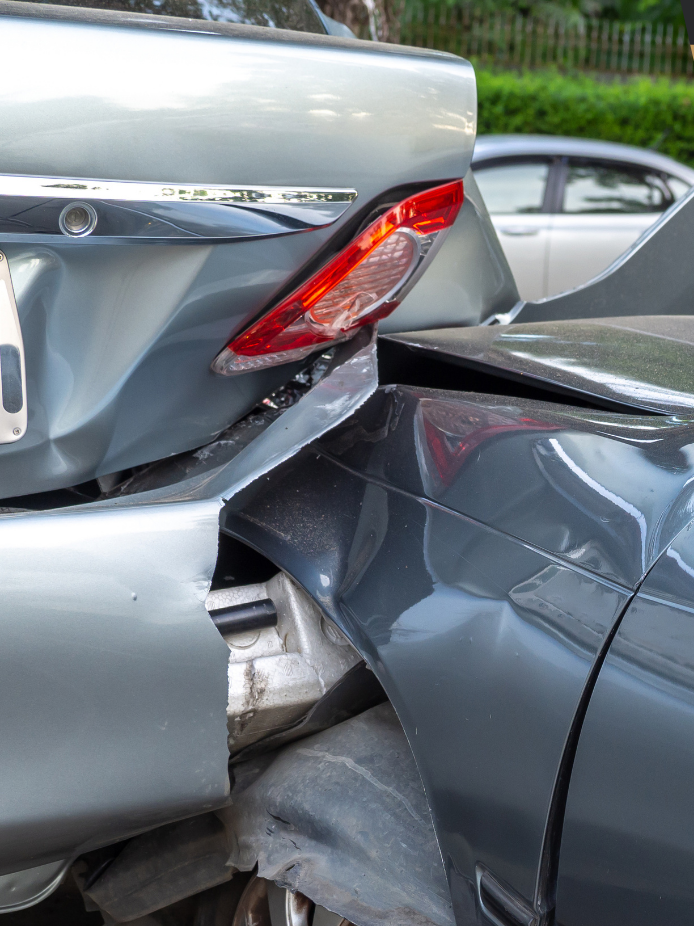
A damaged vehicle can hold technical clues. Crush depth may show force, direction, and contact point. Broken lamps can raise questions about braking or signaling. Airbag control modules may store speed, seat belt, and braking data. Repairs can remove those traces. Before release or disposal, each vehicle should be photographed outside, inside, underneath, and near damaged systems.
Camera Footage Expires
Video can be the clearest outside observer, yet storage windows are often short. Gas stations, buses, doorbell cameras, parking lots, and delivery vehicles may record public streets. Requests should identify date, time, address, travel direction, and camera position. Vague requests are easier to miss. Precise details give owners a better chance to locate the relevant clip.
Witness Memory Changes
Witness recall is strongest before outside conversation, stress, or time reshapes details. Names, phone numbers, and short statements should be collected quickly. A bystander may remember signal color, lane drift, speed, or phone use. Written summaries help, although recordings can preserve hesitation, certainty, and sequence. Those features often matter when accounts differ later.
Police Reports Matter
A police report offers a useful starting point, not a complete reconstruction. Officers may document drivers, passengers, citations, road conditions, visible injuries, and statements. Diagrams help orient the event, though they can simplify movement. Mistakes should be corrected with proof. Photographs, medical charts, repair estimates, and witness accounts can fill gaps left by a brief report.
Medical Proof Connects Harm
Injury records need the same urgency as scene evidence. Prompt care links pain, swelling, restricted motion, nerve symptoms, or headaches to the collision date. Follow-up visits show whether symptoms improved or spread. Imaging, therapy notes, prescriptions, and work restrictions create clinical continuity. Treatment gaps can let insurers argue that another event caused the condition.
Digital Data Has Value
Phones, vehicle systems, ride records, and map applications may clarify timing. Call logs can address distraction claims. Navigation history may support route and speed questions. Dash cameras can capture seconds that memory misses. This information should be preserved before devices are replaced, accounts reset, or storage cycles remove older material. Privacy concerns still require careful handling.
Weather and Road Conditions
Cleveland crashes may involve lake-effect snow, black ice, glare, bridge freeze, potholes, or construction barriers. Weather reports, maintenance logs, and road design records can matter. Photos of pooled water, blocked signs, worn markings, or icy pavement may support a claim. Conditions can change by morning, which makes early images and official weather data especially useful.
Insurance Pressure Arrives Early
Insurers often request statements soon after a crash. Early answers may be incomplete because pain, medication, shock, or confusion affects recall. Settlement offers can also arrive before diagnosis reveals the full injury course. Strong records reduce pressure created by uncertainty. Clear proof supports a fair review of medical costs, lost income, repair bills, and lasting limits.
Preserve a Clear Timeline
A timeline turns scattered records into a coherent account. It can begin with route, traffic sequence, impact, emergency response, treatment, missed work, repairs, and follow-up care. Receipts, messages, calendar entries, wage records, and appointment notes can support each step. The aim is practical. Each item should show what happened, what changed, and how the collision caused harm.
Common Mistakes
Evidence is often lost through ordinary choices. Drivers repair vehicles too soon, delete blurry photos, wash torn clothing, or throw away cracked personal items. Some post online before facts are complete. Public comments can be misread later. A better habit is simple preservation. Save receipts, voicemail messages, claim letters, appointment notes, damaged property, and every crash-related image.
Conclusion
Collision evidence carries the most value before the scene changes and memory weakens. Photographs, video, vehicle data, medical records, witness details, repair documents, and weather information can turn a disputed event into a clearer account. Fast preservation protects that record. No single item proves every issue, yet many small pieces can support one consistent story and help show the full harm caused by the crash.