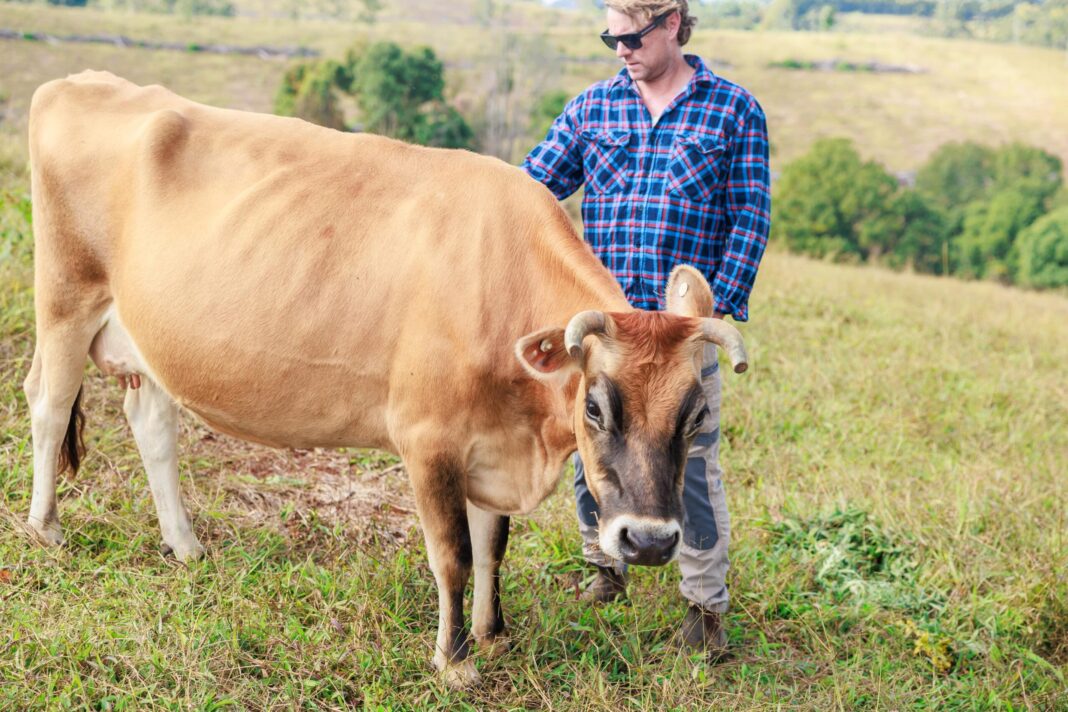

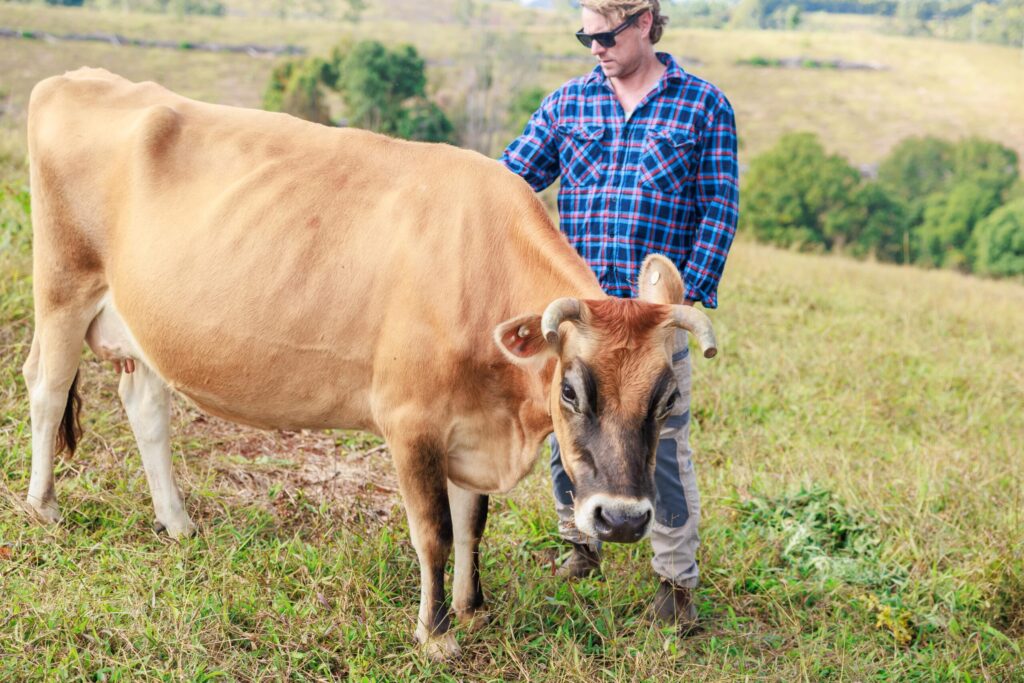
Farm animals are the backbone of many rural operations, but keeping them healthy takes daily attention, practical prevention, and timely veterinary care. Cattle, pigs, sheep, goats, horses, and poultry can all face health issues that affect comfort, productivity, reproduction, and overall farm profitability. Some illnesses appear suddenly, while others develop slowly and may be easy to miss until they become serious. A qualified farm animal vet in Manitoba can help farmers identify early warning signs, build prevention plans, and treat problems before they spread through the herd or flock. Understanding common health issues can help producers respond faster and make better decisions when animals show signs of illness.
Respiratory Illnesses
Respiratory disease is one of the most common health concerns in farm animals, especially cattle, pigs, sheep, goats, and young animals under stress. Signs may include coughing, nasal discharge, fever, laboured breathing, reduced appetite, and low energy. Respiratory illness can be caused by viruses, bacteria, poor ventilation, crowding, sudden weather changes, transportation stress, or weakened immunity. In cattle, bovine respiratory disease is a major concern because it can spread quickly and lead to pneumonia if not treated early. Vets typically diagnose respiratory problems through a physical exam, temperature check, herd history, and sometimes lab testing or ultrasound. Treatment may include anti-inflammatory medication, antibiotics when bacterial infection is suspected, supportive care, improved airflow, and changes to housing or handling practices.
Digestive Problems and Bloat
Digestive issues are also common in farm animals, particularly in ruminants such as cattle, sheep, and goats. Bloat occurs when gas builds up in the rumen and cannot escape, causing swelling on the left side of the abdomen, discomfort, difficulty breathing, and sometimes collapse. It can happen after animals consume lush pasture, grain overload, or feed that ferments rapidly. Other digestive problems include diarrhea, acidosis, constipation, parasites, and sudden changes in feed intake. Vets treat digestive problems based on the cause, which may involve relieving gas pressure, administering fluids, correcting dehydration, adjusting feed, or treating infections and parasites. Farmers can reduce risk by introducing feed changes gradually, monitoring pasture conditions, providing clean water, and ensuring animals have balanced nutrition.
Parasites and Skin Conditions
Internal and external parasites can affect nearly every type of farm animal. Internal parasites may cause weight loss, diarrhea, rough coats, anemia, poor growth, bottle jaw in small ruminants, and reduced milk or meat production. External parasites such as lice, mites, ticks, and flies can cause itching, hair loss, wounds, stress, and lower overall performance. Skin conditions may also result from fungal infections, injuries, allergies, poor hygiene, or wet bedding. Vets often diagnose parasite problems using fecal egg counts, skin scrapings, physical exams, and herd health history. Treatment may include dewormers, topical products, environmental management, pasture rotation, fly control, and follow-up testing to prevent resistance and reinfection.
Lameness and Foot Problems
Lameness is a major welfare and productivity issue in cattle, horses, sheep, goats, and pigs. It may appear as limping, reluctance to move, uneven weight-bearing, swelling, heat in the limb, or difficulty standing. Common causes include foot rot, hoof overgrowth, abscesses, joint infections, laminitis, injuries, and poor flooring conditions. In dairy cattle, lameness can reduce milk production, fertility, and overall herd performance. Vets treat lameness by identifying the source of pain, trimming or cleaning affected hooves, draining abscesses when needed, prescribing medication, and recommending bedding or flooring improvements. Prevention often includes regular hoof care, dry resting areas, balanced nutrition, clean housing, and prompt attention to animals that show early signs of discomfort.
Reproductive and Birthing Complications
Reproductive health is essential for farm success, and problems can be costly if they are not managed quickly. Animals may experience infertility, retained placenta, uterine infections, pregnancy loss, difficult births, mastitis after calving or lambing, and weak newborns. Dystocia, or difficult birth, is an urgent situation that requires fast action to protect both the mother and offspring. Warning signs include prolonged labour, visible distress, abnormal presentation, exhaustion, or no progress after active contractions. Vets may assist with repositioning the fetus, providing medication, performing assisted delivery, or recommending surgery in severe cases. Preventive reproductive care may include pregnancy checks, nutrition planning, vaccination programs, breeding soundness exams, and proper monitoring around due dates.
Mastitis and Udder Health
Mastitis is inflammation or infection of the udder and is especially common in dairy cattle, goats, and sheep. It may cause swelling, heat, pain, abnormal milk, fever, reduced milk production, and changes in animal behaviour. Mastitis can be caused by bacteria entering the teat canal, poor milking hygiene, dirty bedding, injury, or environmental contamination. Some cases are obvious, while subclinical mastitis may only be detected through milk testing. Vets treat mastitis by identifying the severity and cause, then recommending appropriate therapy such as anti-inflammatory medication, targeted antibiotics, supportive care, or milk withdrawal protocols when required. Good prevention includes clean milking equipment, proper teat dipping, dry bedding, regular testing, and careful monitoring of animals after birth.
Nutritional Deficiencies and Metabolic Disorders
Nutrition plays a major role in immune function, reproduction, growth, milk production, and disease prevention. Deficiencies in minerals, vitamins, protein, or energy can lead to weak bones, poor weight gain, reproductive issues, low immunity, poor coat quality, and reduced productivity. Metabolic disorders such as milk fever, ketosis, grass tetany, and pregnancy toxemia can develop when animals have sudden changes in energy or mineral balance. These conditions can become life-threatening if not recognized quickly. Vets may treat metabolic problems with calcium, glucose, electrolytes, fluids, mineral supplementation, and changes to the feeding program. A strong prevention plan includes forage testing, balanced rations, mineral programs, body condition scoring, and special attention to animals in late pregnancy or early lactation.
Infectious Diseases and Herd Outbreaks
Infectious diseases can spread rapidly through barns, pastures, and shared equipment if biosecurity is weak. Common signs of an outbreak include fever, coughing, diarrhea, sudden death, abortions, reduced feed intake, and multiple animals becoming sick in a short time. Diseases may be viral, bacterial, fungal, or parasitic, and some can affect humans as well as animals. Vets help by examining affected animals, collecting samples, identifying the cause, and recommending treatment or control measures. Depending on the disease, treatment may involve isolation, vaccination, medication, sanitation, movement restrictions, or reporting to animal health authorities. Farmers can reduce outbreak risk by quarantining new arrivals, cleaning equipment, controlling visitors, maintaining vaccination schedules, and keeping accurate health records.
Wounds, Injuries, and Emergency Care
Farm animals can suffer injuries from fencing, equipment, transport, fighting, predators, slips, or birthing complications. Wounds may look minor at first, but can become infected if not cleaned and monitored properly. Signs that an injury needs veterinary attention include deep cuts, heavy bleeding, swelling, pus, severe pain, exposed tissue, inability to bear weight, or changes in behaviour. Vets treat wounds by cleaning the area, removing damaged tissue, suturing when needed, managing pain, preventing infection, and advising on recovery care. Emergency situations may also include choking, toxic plant ingestion, heat stress, severe dehydration, collapse, or sudden bloating. Having a relationship with a veterinarian and a basic farm first-aid plan can make emergency response faster and more effective.
FAQ: Farm Animal Health and Veterinary Care
How often should farm animals be checked by a vet? Most farms benefit from routine veterinary visits at least once or twice a year, but the ideal schedule depends on species, herd size, production goals, and disease risk.
What are the first signs that a farm animal is sick? Common early signs include reduced appetite, isolation, dull behaviour, coughing, diarrhea, limping, abnormal discharge, fever, and changes in milk production or manure.
When should I call a vet immediately? Call right away if an animal has trouble breathing, cannot stand, has severe bloating, is bleeding heavily, is in difficult labour, has a high fever, or shows sudden severe pain.
Can vaccines prevent all farm animal diseases? Vaccines help prevent many serious diseases, but they work best alongside good nutrition, clean housing, parasite control, biosecurity, and regular monitoring.
Why is quarantine important for new animals? Quarantine helps prevent new animals from bringing contagious disease or parasites into the existing herd or flock.
What records should farmers keep? Useful records include treatments, vaccinations, births, deaths, breeding dates, illnesses, test results, feed changes, and veterinary recommendations.
Building a Preventive Herd Health Plan
The best way to manage farm animal health is to prevent problems before they become emergencies. A preventive herd health plan should be tailored to the farm, species, climate, housing, production system, and disease history. Vets can help create vaccination schedules, parasite control programs, nutrition strategies, reproductive plans, and biosecurity protocols. They can also train farm staff to recognize early warning signs and respond appropriately. Key parts of a strong prevention plan include clean water, balanced feed, safe handling areas, dry bedding, routine observation, and prompt isolation of sick animals. Working closely with a farm animal vet in Manitoba gives producers practical local guidance that supports healthier animals, stronger productivity, and better long-term farm management.