
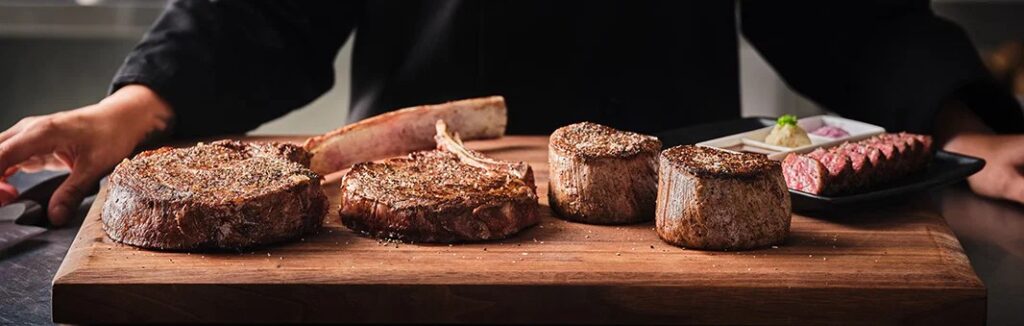
A special dinner asks for more than a well-cooked steak. It needs the right pace, attentive service, comfortable seating, and a room that supports the reason people gathered. Birthdays, anniversaries, promotions, and family milestones all carry emotional weight. The best choice helps guests feel cared for without making the evening feel formal or forced. Careful selection gives a table room to relax, connect, and enjoy the moment.
Match the Mood
The occasion should shape the setting before anyone studies the menu. A quiet anniversary calls for softer lighting, lower noise, and roomy seating, while a graduation dinner may need more energy. Guests comparing steak restaurants in Tampa should weigh parking, reservation access, table spacing, and arrival flow. These details affect comfort long before the first course reaches the table.
Check the Menu
A serious steak menu gives guests clear choices without crowding the page. Filet mignon, ribeye, strip steak, and porterhouse each offer a different balance of tenderness, marbling, and richness. Side dishes should complement the beef, not distract diners from it. Seafood, salads, and vegetarian plates matter because most celebration groups include different appetites, dietary limits, or lighter food preferences.
Study Cooking Standards
Steak quality starts before the meat touches heat. Sourcing, aging, trimming, seasoning, and resting all affect texture and flavor. A reliable kitchen can explain its beef program in plain terms. Doneness should be consistent from edge to center, with juices retained after resting. Overcooked plates, cold centers, or rushed carving often point to weak temperature control.
Review Service Style
Service sets the rhythm of a special meal. Skilled staff can explain cuts, suggest wine, pace courses, and handle celebration requests without interrupting the conversations at a table. Guests should feel noticed, not watched. Strong teams read the table well, refill glasses at the right time, and correct delays before they become awkward. Calm confidence matters more than scripted formality.
Consider the Setting
A dining room should make conversation easy. Tables need enough space for shared sides, glassware, gifts, and servers moving between chairs. Lighting should flatter the room while keeping menus readable. Music can add warmth, but it should never force people to raise their voices to talk. Clean entrances, polished flatware, and orderly restrooms signal disciplined management.
- Private Dining
Private rooms suit larger gatherings, speeches, family toasts, or surprise desserts. They also help hosts manage timing, seating plans, and background noise.
Consider Reservations
Prime dinner hours fill quickly, especially near weekends and holidays. Early booking gives hosts better control over seating, timing, and special requests. Reservation notes should mention anniversaries, birthdays, accessibility needs, high chairs, or preferred table locations. A confirmation call helps reduce errors. Clear communication before arrival often prevents stress during the meal.
Compare Value
Price alone does not define value. Guests should compare beef quality, portion size, service skill, room comfort, and total dining time. A clear budget also prevents discomfort at the table. Shared sides, fixed menus, and wines by the glass can keep costs predictable. The right restaurant feels generous, measured, and worth the occasion.
- Wine and Drinks
A useful beverage list supports the food without overwhelming guests. Reds, sparkling wines, cocktails, and alcohol-free choices should all be easy to match.
Read Recent Reviews
Recent reviews reveal current kitchen and service patterns better than older comments. Guests should look for repeated notes about steak temperature, wait times, staff attentiveness, and noise. One weak review may not matter, but multiple similar complaints deserve attention. Diner photos can also show plate size, room layout, and whether the atmosphere fits the planned evening.
Plan Small Details
Small details often decide how polished the night feels. Hosts may need valet guidance, accessible seating, cake rules, floral delivery instructions, or child seating. Dessert messages and celebratory plating should be requested before arrival. A brief call can confirm what the restaurant can support. Planning early allows staff to prepare without last-minute confusion.
Conclusion
Choosing a steak restaurant for a special occasion is both practical and personal. The strongest option balances atmosphere, menu clarity, cooking discipline, service judgment, and fair value. Guests should also confirm reservation notes, seating needs, timing, and celebration details before the date. With thoughtful review, dinner feels calm rather than choreographed. A well-chosen steakhouse lets the table focus on the people, the milestone, and the meal.