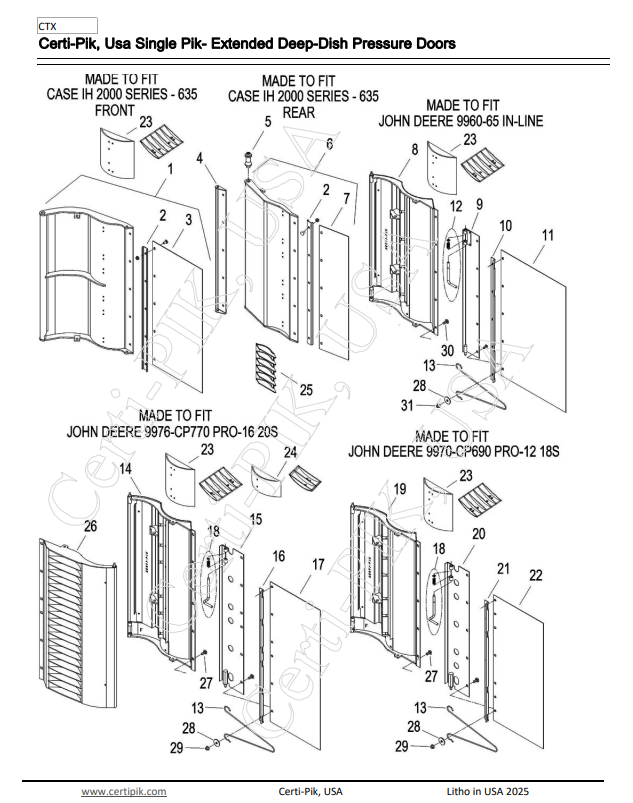
CTX extended deep dish doors are specialized replacement doors used in applications where standard flat or shallow access panels may not provide the right clearance, strength, or fit. Because these doors are designed with an extended recessed profile, small measurement differences can create major fitment problems. A door may look similar in a photo but fail to align with the hinge, latch, seal, or frame once it arrives. That is why ordering should never be based on appearance alone. Before buying CTX extended deep dish doors, it is important to verify the exact dimensions, mounting style, material, hardware, and application requirements.
What Are CTX Extended Deep Dish Doors?
CTX extended deep dish doors are formed access doors with a deeper recessed panel than a standard door. The extended dish design may provide extra clearance for internal parts, added rigidity, or a specific fit within a compartment or equipment body. These doors are often used where the door needs to sit securely in a frame while protecting what is behind it. Depending on the application, they may be installed on machinery, service compartments, utility bodies, agricultural equipment, tool storage, or specialty enclosures. Their purpose is usually a combination of access, protection, structure, and sealing.
The term “extended deep dish” matters because it usually points to a deeper profile than a typical recessed door. That added depth can affect how the door clears internal components and how it sits against the frame. If the dish depth is wrong, the door may hit something behind it or leave a gap at the seal. It may also prevent the latch from engaging correctly. For this reason, the depth of the dish is just as important as the door’s height and width.
Why Verification Matters Before Ordering
Verification matters because replacement doors are often application-specific. Even when two CTX extended deep dish doors appear nearly identical, the hinge pattern, latch position, seal design, and material thickness may differ. A small mismatch can lead to rubbing, rattling, leaks, poor latch engagement, or installation delays. If the door is used on working equipment, a bad fit can also create downtime. Ordering the correct door the first time saves time, labor, freight costs, and return headaches.
It is also important to remember that suppliers may describe products differently. One seller may list a door by outside dimensions, while another may use frame opening dimensions. Some may measure dish depth from the front face, while others measure from the mounting flange. Without clarifying how measurements are taken, you could order a door that is technically the listed size but still incorrect for your opening. Clear verification protects you from those misunderstandings.
Confirm the Exact Application
Start by identifying where the door is used and what it needs to fit. The correct replacement may depend on the machine, body, compartment, or enclosure it belongs to. If the door is part of a branded equipment line, look for the model number, serial number, or build tag before contacting a supplier. If it is part of a custom body or an older machine, take detailed measurements and photos. The more information you provide, the easier it is for a supplier to confirm the correct fit.
Before ordering, gather:
- Equipment, body, or compartment model
- Serial number or build number, if available
- Existing part number, if visible
- Door location on the machine or body
- Photos of the door installed
- Photos of the frame opening
- Photos of hinges, latch, seal, and backside
- Notes about any previous modifications
Measure the Door Correctly
Accurate measurement is the most important step when ordering CTX extended deep dish doors. Start with the overall height and width of the existing door, then measure the frame opening separately. These two measurements may not be the same, especially if the door overlaps the frame or sits inside a recessed channel. Next, measure the dish depth, flange width, material thickness, and any lip or return edge. If the old door is damaged, measure the frame as well, so you are not copying a distorted part.
Pay close attention to the way the door is shaped. The extended dish may have straight sides, tapered edges, rounded corners, reinforcing bends, or a stepped profile. Measure from consistent reference points and write down how each measurement was taken. If possible, include a sketch with labels so the supplier can see exactly what you mean. Photos with a tape measure in view can also reduce confusion.
Check Hinge Style and Placement
The hinge is one of the easiest details to overlook and one of the hardest to fix after the wrong door arrives. CTX extended deep dish doors may use different hinge styles depending on the application. Some hinges are welded to the door, while others are bolted, riveted, continuous, concealed, or strap-style. The hinge side, spacing, length, pin diameter, and mounting pattern all matter. Even a small difference can prevent the door from aligning with the frame.
Record these hinge details before ordering:
- Hinge type and length
- Hinge side when viewing the door from the outside
- Number of hinges
- Hinge spacing from center to center
- Bolt or rivet hole pattern
- Pin size, if relevant
- Whether hinges are included with the replacement
- Whether the hinge is removable or fixed
Verify Latch and Lock Compatibility
Latch placement is another major fitment point. A replacement door must line up with the striker, receiver, handle, or lock point on the frame. If the latch is too high, too low, too shallow, or too far from the edge, the door may not close securely. In some cases, the latch may engage but fail to compress the seal evenly. This can allow dust, water, or debris into the compartment.
Confirm whether the replacement door includes a latch or arrives as a bare panel. If you are reusing the old latch, make sure the mounting holes and cutout match. If the new door includes different hardware, confirm that it works with the existing frame. Ask whether any striker, bracket, key, gasket, or installation hardware is included. Small missing parts can delay installation even when the door itself is correct.
Review Seal and Weather Protection Needs
Many CTX extended deep dish doors are used to protect compartments from weather, dust, crop residue, road grime, or jobsite debris. The seal is what allows the door to do that job properly. A door with the right size but the wrong seal path may still leak. Check whether the existing door uses a bulb seal, foam gasket, rubber edge seal, compression seal, or no seal. Measure the seal channel or contact surface if the seal is part of the design.
Seal compression should be even around the door. If the replacement door is too deep or too shallow, the seal may over-compress in one area and barely touch in another. Over-compression can make the door hard to close and shorten seal life. Under-compression can let water and dust inside. For outdoor equipment, weather protection should be treated as a fitment requirement, not an optional detail.
Confirm Material, Finish, and Durability
Material choice affects strength, corrosion resistance, weight, and service life. Some CTX extended deep dish doors may be steel for strength and impact resistance. Others may be aluminum to reduce weight and resist corrosion. Stainless steel may be preferred in wet, chemical, or washdown environments. The right choice depends on the original design and the conditions the door will face.
Also, verify the finish before ordering. A raw metal door may need priming and painting before installation. A powder-coated or painted door may still need color matching. Galvanized or stainless surfaces may be better for corrosion-prone settings. If the original door failed from rust or impact damage, consider whether the replacement material or finish should be upgraded.
FAQ About CTX Extended Deep Dish Doors
Are CTX extended deep dish doors universal?
No. They may fit specific equipment, compartments, or frame designs. Always confirm dimensions, hinge pattern, latch location, dish depth, and application before ordering.
What is the most important measurement?
Dish depth is extremely important, but it is not the only measurement that matters. Overall size, frame opening, flange width, hinge spacing, latch location, and seal path should all be checked.
Can I reuse my existing hinges and latch?
Sometimes. You can reuse them if the mounting holes, cutouts, alignment, and condition are correct. If the old hardware is worn or damaged, replacement hardware is usually a better choice.
Should I order by the old door or the frame opening?
Use both. The old door shows the original shape and hardware layout, while the frame opening confirms the space the replacement must fit. This is especially important if the old door is bent.
What photos should I send a supplier?
Send front, back, side, hinge, latch, seal, and frame opening photos. Include at least one photo with a tape measure for scale.
What if my old door has been modified?
Tell the supplier before ordering. Modifications can hide the original fitment and may require custom measurements or a different replacement approach.
Final Ordering Checklist
Before placing an order, review every detail one more time. Confirm the application, dimensions, dish depth, hinge style, latch setup, seal design, material, finish, and included hardware. Ask the supplier to state whether the door is a direct replacement or whether drilling, trimming, painting, or additional parts are required. Review the return policy, especially if the door is custom-made or a special order. This final check can prevent costly mistakes.
Use this checklist before buying:
- Confirm model, serial number, or application
- Verify overall door size and frame opening
- Measure dish depth and flange width
- Check hinge type, side, and spacing
- Confirm latch and lock compatibility
- Identify seal type and compression path
- Verify material and finish
- Ask what hardware is included
- Review freight cost and packaging
- Confirm return or exchange options
The best replacement process is careful, documented, and specific. CTX extended deep dish doors are not the kind of part to order from a single photo or rough measurement. Their extended profile means the door must match the opening, hardware, and surrounding structure closely. Taking time to verify fitment before purchase helps avoid installation problems and protects the equipment or compartment the door is designed to secure. With accurate measurements, clear photos, and supplier confirmation, you can order with confidence and reduce the risk of downtime.