
Santa Rosa, Arizona, is a tiny census-designated place (CDP) on the Tohono O’odham Nation reservation in Pima County. With only about 700 residents and no municipal government or local police department reporting its own crime stats, people considering a move understandably ask: is Santa Rosa, AZ safe?
The answer is nuanced. You have to look beyond typical “city crime grades” and understand how data is actually reported for communities this small.
Santa Rosa at a Glance
- Type: Census-designated place in Pima County
- Location: On the Tohono O’odham Nation; ~83 miles southwest of Phoenix, ~66 miles from Tucson
- 2026 population estimate: ~704 residents
- Growth since 2020: About +9.5% total, ~0.6% annually
- Median age: 33.3 years
- Median household income: $39,766
- Per capita income (2023): $15,860
- Poverty rate: 18.96%
- Median home value (2023): $111,030
- Land area: ~5.7 square miles; ~100–110 people per square mile
- Elevation: 1,811 feet
- ZIP code: 85634
Santa Rosa is quiet, rural, and isolated compared with more urban parts of Pima County. That isolation shapes both day-to-day safety and the services you can access quickly.
Why You Won’t Find a Reliable “Santa Rosa Crime Rate”
Santa Rosa is too small to generate its own statistically reliable crime rate. Most crime databases aggregate law enforcement data at the county or larger city level. When you see a “Santa Rosa, AZ crime grade” on popular ranking sites, those numbers are actually drawn from Pima County data, not from the CDP itself.
This has two implications:
- Any letter grade or “chance of being a victim” you see for Santa Rosa is really describing broader Pima County patterns.
- Conditions in a rural reservation community may be very different from what countywide averages suggest.
What Pima County Crime Stats Say
Because we lack town-level numbers, the best lens for Santa Rosa’s crime environment is Pima County as a whole.
- Overall rate: About 33.4 incidents per 1,000 residents in a typical year (some sources report ~1,979–2,922 per 100,000, depending on methodology).
- Violent crime: Roughly 359 incidents per 100,000 people, or about 4.6 per 1,000.
- Property crime: Around 2,562 per 100,000; this is the main driver of the county’s crime burden.
- Relative safety: Pima County ranks around the 41st percentile for overall safety nationwide, safer than some counties, less safe than many suburban and rural areas.
- Victimization odds: Depending on neighborhood, estimates of the chance of being a violent crime victim range roughly from 1 in 114 (higher-risk central zones) to 1 in 355 (safer southeast areas).
- Economic impact: Cost of crime is estimated at around $273 per resident per year, slightly above the national average.
One alternative analysis notes that Pima County’s 2022 crime rate (about 1,979 incidents per 100,000 people) was actually below both the Arizona average (2,953) and the U.S. average (3,906). The most frequent offenses included vandalism, theft, burglary, assault, and vehicle theft, again underscoring that property-related incidents dominate.
What That Likely Means for Santa Rosa
Santa Rosa’s small size and low population density make it very different from Tucson or more urbanized parts of Pima County. Typically, rural communities see:
- Fewer total reported crimes simply because there are fewer people.
- More informal, community-based awareness of issues, especially on tribal land.
- Slower emergency response times due to distance from major population centers.
Because reports for the Tohono O’odham Nation are not broken out in standard city-level crime lists, it is wise to speak with local residents, tribal authorities, and regional law enforcement about current conditions before you commit to housing.
Natural and Environmental Safety Factors
Physical safety in Santa Rosa is not only about crime. Location and environment matter just as much for daily life.
- Earthquakes: Historical earthquake activity around Santa Rosa is reported as significantly above the Arizona state average and more than 20 times the overall U.S. average, unusual for Arizona. Reviewing building standards and emergency plans is important.
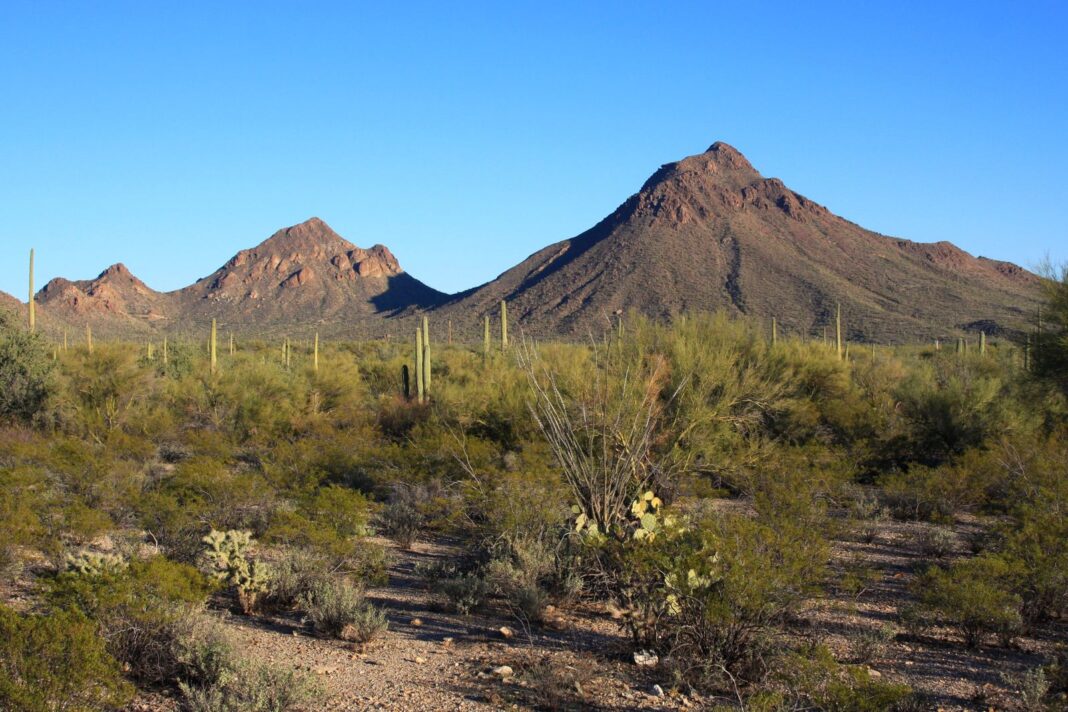
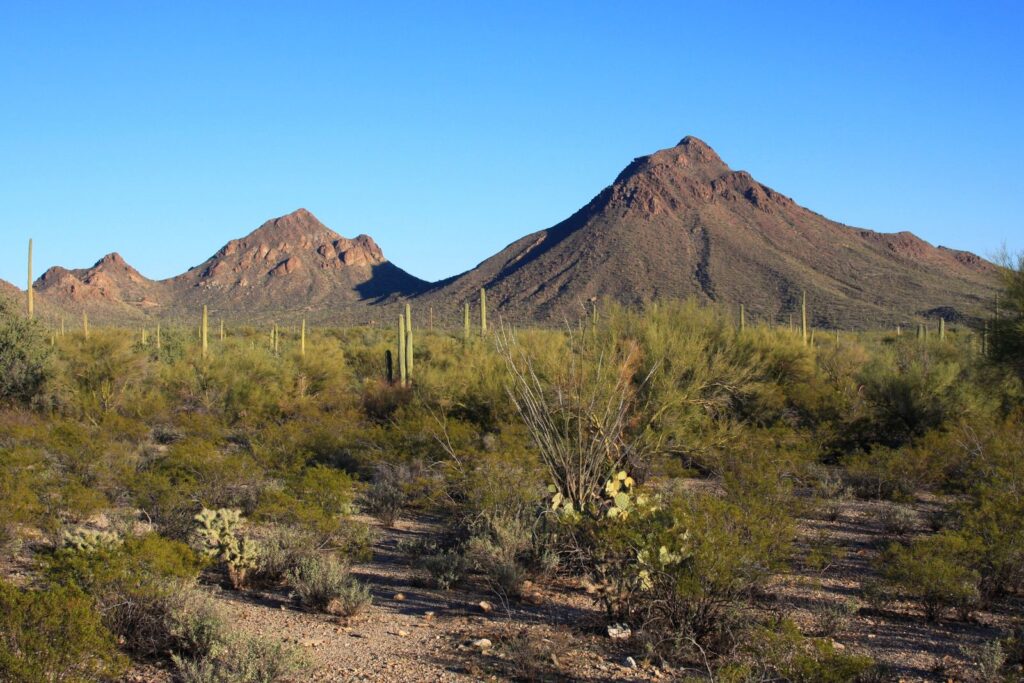
- Climate: Santa Rosa sits in the Sonoran Desert with around 15.3 inches of annual precipitation. Expect mild winters (average around 48°F) and warm springs (around 61.8°F), but also extreme summer heat, sun exposure, dust, and seasonal monsoon storms.
- Isolation: The nearest major city and hospital hub is Tucson (about 66 miles away), with Phoenix roughly 83 miles to the northeast. That distance affects access to specialized care, shopping, and some public services.
Practical Safety Tips Before Moving
- Visit at different times: Spend time in Santa Rosa during daytime, evenings, and weekends to get a feel for traffic, noise, and community activity.
- Ask local questions: Speak with residents and tribal officials about neighborhood-level concerns, recent incidents, and how issues are typically handled.
- Plan for distance: Map out your nearest clinics, emergency rooms, grocery stores, and schools. In rural Pima County, a “quick trip” may still mean 45–90 minutes of driving.
- Harden your property: Given the county’s emphasis on property crime, use good lighting, quality locks, and secure storage for vehicles and valuables.
- Prepare for hazards: Build an emergency kit for heat waves, monsoon storms, and seismic events, and review evacuation or shelter-in-place plans.
If you are comparing a move to this small Arizona community with a larger, more urban destination such as moving to Santa Rosa CA, it is worth weighing not only crime statistics but also access to services, climate preferences, and your comfort level with rural living.
Bottom Line: Is Santa Rosa, AZ Safe?
There is no precise, standalone crime rate for Santa Rosa, AZ, so online safety “grades” for the CDP are really reflections of Pima County patterns. Countywide data suggests a moderate crime environment, with property crime as the primary issue and overall rates comparable to or below many parts of Arizona and the nation.
For prospective residents, the more practical questions are:
- Are you comfortable with rural isolation and longer response times?
- Do you understand and respect the local tribal context and community norms?
- Have you prepared for desert climate risks and elevated regional seismic activity?
If you do your homework on those fronts, talking to locals, visiting in person, and planning for both crime prevention and environmental hazards, you will have a realistic, grounded sense of whether Santa Rosa, AZ, is the right and safe choice for you.