A fence often serves as one of the first features people notice about a property. Beyond creating a visual boundary, it contributes to security, organization, privacy, and overall functionality. When planned and built correctly, a fence can provide reliable performance for many years while enhancing the appearance of the surrounding space.
Many property owners focus heavily on selecting materials and designs, yet the success of a fencing project depends on much more than appearance alone. Site conditions, structural planning, and installation quality all influence how well a fence performs over time. Small mistakes during the early stages can eventually lead to costly repairs or reduced durability.
Investing in professional fence installation helps ensure that every component works together effectively. From accurate layout planning to secure structural support, a properly installed fence creates long-term value while helping property owners avoid unnecessary maintenance challenges.
Why a Fence Is More Than a Property Boundary
A fence serves several important functions that go far beyond marking property lines. It can improve privacy, create safer outdoor environments, and establish a clear sense of organization across residential properties. These benefits make fencing a practical addition rather than simply a decorative feature.
Security is another major advantage. A well-designed fence helps discourage unwanted access while providing homeowners with greater peace of mind. Whether surrounding a backyard, garden, or entire property, fencing creates a visible barrier that supports safety and control.
In addition, fencing contributes to curb appeal. A thoughtfully designed structure complements landscaping and architectural features, creating a more polished and attractive exterior environment.
Planning Before Construction Begins
Successful projects start long before the first post is placed in the ground. Property owners should evaluate their goals and determine exactly what they expect the fence to accomplish. Different objectives often require different materials, layouts, and structural approaches.
Understanding property boundaries is equally important. Confirming measurements and reviewing property records helps prevent disputes and ensures the fence is positioned correctly. Accurate planning also allows for better use of available space.
Environmental conditions deserve careful attention as well. Soil quality, drainage patterns, slopes, and weather exposure can all affect long-term performance. Addressing these factors during planning reduces the risk of future structural issues.
Choosing Materials That Match Long-Term Goals
Material selection plays a major role in durability, maintenance requirements, and appearance. Different materials offer unique advantages depending on the intended use of the fence and the conditions it will face.
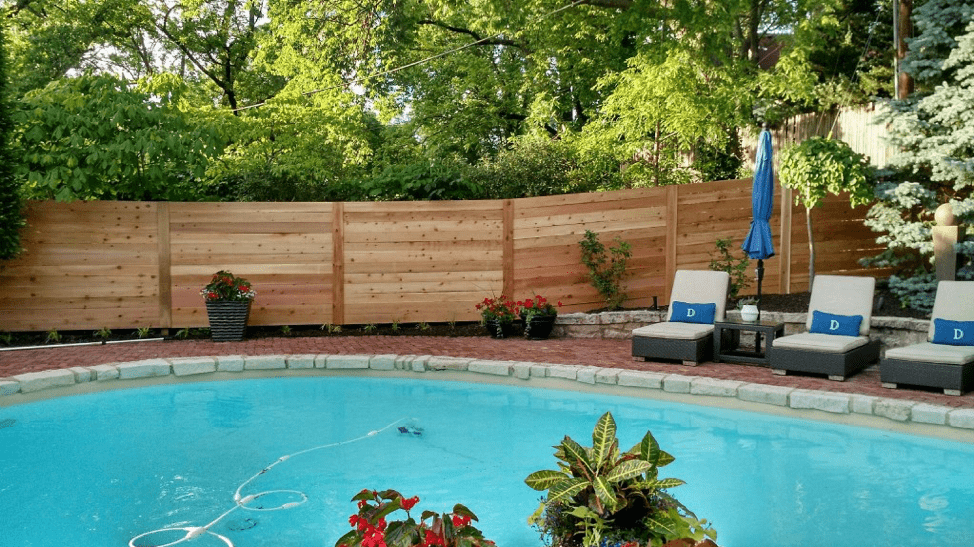
Wood remains popular because of its natural appearance and design flexibility. It can complement many architectural styles while offering privacy and visual appeal. However, wood may require regular maintenance to preserve its condition.
Metal fencing often provides excellent strength and longevity. Aluminum and steel options are known for durability and can perform well in various environments. Composite materials have also gained popularity due to their resistance to weather-related wear and relatively low maintenance requirements.
Selecting the right material involves balancing appearance, budget, maintenance expectations, and performance needs. A thoughtful decision at this stage helps support long-term satisfaction.
The Importance of Structural Stability
A fence is only as strong as the framework supporting it. Posts, fasteners, and connections must all work together to maintain stability under daily use and changing weather conditions.
Improperly secured posts are among the most common causes of fencing problems. When posts lack sufficient support, fences may begin to lean, shift, or develop uneven sections. These issues often worsen over time and can affect the entire structure.
Professional fence installation focuses on establishing a strong foundation from the beginning. Proper spacing, alignment, and support systems help ensure the fence remains secure and functional for years to come.
How Quality Workmanship Reduces Future Problems
Workmanship directly influences the lifespan of any fencing project. Even premium materials can fail prematurely if construction standards are inconsistent or critical details are overlooked.
Accurate measurements help create a balanced and visually appealing layout. Consistent spacing between components improves structural performance while maintaining a clean appearance. Attention to detail during construction also helps prevent gaps, weak points, and alignment problems.
This is where experienced professionals provide significant value. fence company in Atlanta understands the importance of precision throughout every phase of a project, helping property owners achieve dependable and lasting results.
Supporting Outdoor Security Through Smart Design
Security needs vary from one property to another. Some homeowners prioritize privacy, while others focus on controlling access or creating safe outdoor spaces for children and pets.
Fence height, gate placement, and overall layout all influence security performance. Strategic design decisions can improve visibility where needed while limiting unauthorized access to specific areas. The right approach depends on how the property is used and what level of protection is desired.
A carefully planned fencing system supports daily safety without making outdoor spaces feel restrictive. Effective design balances protection, accessibility, and appearance to create a practical long-term solution.
Increasing Property Value and Visual Appeal
Exterior improvements often contribute to a property’s perceived value, and fencing is no exception. A well-maintained fence demonstrates attention to detail and can enhance the overall impression of the property.
Potential buyers frequently appreciate features that improve privacy, organization, and security. Attractive fencing can help create a positive first impression while adding functional benefits that extend beyond appearance alone.
Professional fence installation contributes to these advantages by ensuring the structure remains visually appealing and structurally reliable over time. Quality construction protects the investment and supports long-term property value.
Maintaining Performance for Years to Come
Even the best fence benefits from regular care and inspection. Routine maintenance helps identify small concerns before they develop into larger issues that require more extensive repairs.
Checking posts, gates, and connections periodically can reveal early signs of wear. Cleaning the fence and addressing minor damage promptly helps preserve both appearance and performance. Maintenance requirements will vary depending on material selection and environmental conditions.
Property owners who take a proactive approach often enjoy longer service life and lower long-term ownership costs. Consistent care supports durability while helping the fence continue performing as intended.
Conclusion
A successful fencing project depends on much more than selecting attractive materials. Careful planning, proper construction methods, and attention to structural details all contribute to long-term durability, functionality, and security.
From defining property boundaries to supporting outdoor safety, a quality fence provides benefits that extend well beyond aesthetics. When every stage of the process is handled correctly, the result is a reliable structure that continues delivering value year after year.
Hawk Fences LLC helps property owners create fencing solutions designed for lasting performance. By combining expert planning, dependable craftsmanship, and proven construction practices, Hawk Fences LLC ensures each project supports both property protection and long-term satisfaction.