
Breakdowns of equipment are rarely at a convenient time.
An unrunnable conveyor, a hydraulic system leak, or a failing control panel may stop the entire process and cause pressure on the whole team. As downtime increases, repair costs rise, deadlines become harder to meet, and productivity suffers.
To prevent these disruptions, it is essential to have a proactive maintenance program in place. Regular inspections, planned servicing, and equipment performance monitoring can help prevent issues, lengthen equipment lifetimes, and maintain efficient operations.
In this article, we outline 6 industrial maintenance practices that can help minimize downtime and boost reliability.
1. Regular Equipment Inspection
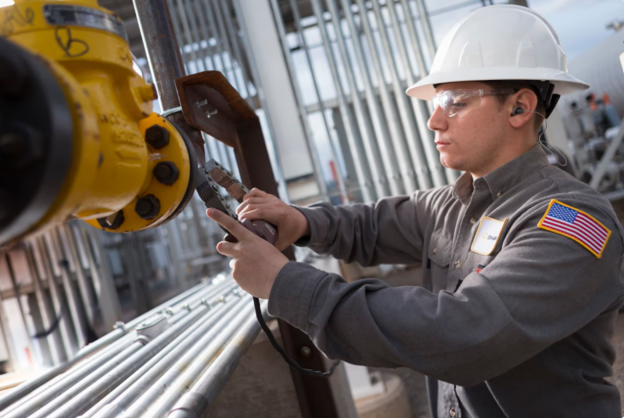
The first step is to walk around your production floor and watch closely how your equipment works. Early warning signs include bearings that hum, small cracks in hoses, and abnormal vibrations. By identifying these issues in their early stages, you can help avoid expensive breakdowns and lost production time.
Test all mechanical, electrical, and control systems regularly. Ensure that hydraulic pumps are not leaking, electric panels are clean, and PLC error logs are being checked. Through this comprehensive assessment, you can avoid missing potential problems that might be lurking in any corner.
Maintain a comprehensive record of problems and their solutions. Documenting trends helps you predict when components might fail and allows you to schedule repairs before they disrupt operations.
Nevertheless, you can also hire industrial maintenance experts to ensure that maintenance of your equipment is done on time and with expertise. These maintenance experts implement both mechanical and technological solutions beyond industry standards.
2. Scheduled Preventive Maintenance
Photo from Magnific.com
Preventative Maintenance makes machines reliable and minimizes emergency repair calls. In fact, maintaining equipment at planned service intervals is key to ensuring optimum operation, whether through lubrication, filter changes, tightening fasteners, or recalibration. It also helps identify signs of wear before they develop into costly equipment failures.
Timing is crucial. While excessive maintenance can waste resources, insufficient maintenance results in greater vulnerability to failure. Therefore, use manufacturer guidelines or historical data to schedule tasks for each machine, balancing efficiency and cost.
By maintaining a preventive schedule, you will save time and money and keep the production schedule on track. Furthermore, this helps to reduce maintenance department workload in the busiest part of the production cycle.
3. Predictive Performance Monitoring
Predictive monitoring involves the use of sensors to measure vibration, temperature, and pressure. As a result, alerts warn you in advance when the values are out of the normal range, preventing problems from becoming major emergencies. These early warnings also enable the scheduling of maintenance without disrupting production.
Analyze trends over a period of time. For instance, increased motor vibration over time is a sign of bearing wear. By acting early, you can prevent catastrophic failures and keep your team and equipment safe.
Predictive monitoring turns maintenance from reactive to proactive. It provides assurance that potential issues are being addressed before they adversely affect operations. As a result, resources can be used more efficiently, minimizing unintended labor expenses. This strategy enhances the overall effectiveness of the equipment, which consequently increases uptime.
4. Lubrication and Fluid Management
The action of friction and heat speeds up the wearing down of any mechanical system. Therefore, using the right lubricant, in the correct amount, at proper intervals reduces damage and prolongs equipment life. Even well-designed machines may fail prematurely if they are not properly lubricated.
Hydraulic systems, gearboxes, and bearings need monitoring. Check for signs of oil deterioration, moisture, or contamination. Proper fluid management prevents sudden failures and improves reliability. In addition, periodic sampling and testing can identify contamination well in advance of its potential impact on performance.
Furthermore, lubrication programs can extend component life by 20–40% and reduce downtime. As a result, a well-organized program helps ensure smooth operation and efficiency. This also stabilizes operating temperatures, which further protects critical components.
5. Component and System Calibration
Calibrated equipment operates at a standard performance. However, output quality is reduced, and machines are strained by misalignment, sensor drift, or incorrect tension. Therefore, you need accurate calibration to maintain standards. Even small deviations can add up over time and impact overall system performance.
Apply laser alignment tools, torque wrenches, and software diagnostics. Through regular calibration, parts are kept within tolerances, and performance trends are monitored by logging results. In addition, calibration routines can help uncover any drift that slowly develops before it becomes a costly failure.
Regular calibration enhances the quality of output and reduces energy consumption. In other words, accuracy equals predictability, and predictability equals confidence on a daily basis. Furthermore, this level of control allows for less rework and greater stability in production throughout shifts.
6. Custom Maintenance Solutions
Photo from Magnific.com
Not all facilities can be maintained using a simple template approach. Instead, specific machines or processes call for custom-designed solutions. As a result, these custom methods help ensure that even large or legacy systems work consistently every day.
Collaborate with your team to create a plan that aligns with your operational needs. Involving operators in planning helps uncover hidden issues and improve daily workflows. Machines in facilities using custom maintenance strategies experience more uptime and fewer unexpected downtime events.
Consequently, customization supports more reliable operations and places less strain on your processes. By taking an action plan tailored to your facility, you can maximize uptime and safeguard your production goals.
Conclusion
A well-organized, regular approach is important to ensure smooth business activity. In particular, the combination of inspections, preventive maintenance, predictive monitoring, fluid management, calibration, and tailored strategies all contribute to minimizing downtime. As a result, by committing to these practices, you protect both your equipment and your bottom line.
Therefore, review your existing procedures and practices. Adopt one or two strategies currently, then add the others over time. In addition, document your progress and adjust as needed to see continuous improvement in efficiency and reliability.