School lunch breaks are changing across the country. Students are stepping out of crowded halls to enjoy their meals under the open sky. This movement represents a massive shift in how districts view campus land usage.
Administrators notice that fresh air changes how kids behave during the day. New designs are replacing old pavement with functional spaces that serve multiple purposes.
Shifting Away From Traditional Indoor Mess Halls
Traditional cafeterias often feel loud and cramped during peak lunch hours. The echoing noise levels can cause unnecessary stress for students who need a quiet break from studying. Long lines make the short lunch period feel even shorter for hungry kids.
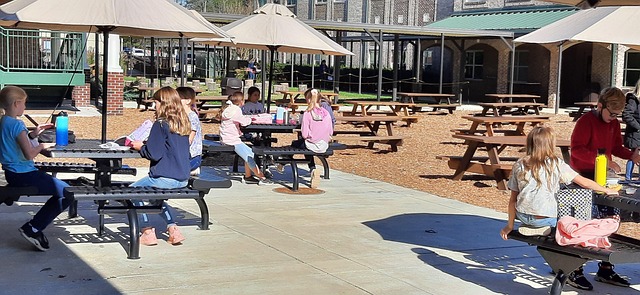
Many campuses are looking for smart ways to expand their square footage without building massive new brick structures. As seen at outdoorschoolfurniture.com, specialized picnic tables provide an immediate fix for crowded dining halls. This adjustment gives students room to breathe and relax during their midday break.
Administrators find that open spaces are much easier to supervise during heavy traffic times. Sightlines improve when children are spread out across an open courtyard. Staff members can monitor multiple groups with less physical effort than before. This safety boost helps cut down on playground incidents.
Creating Better Eating Environments For Students
The environment where a child eats can dictate their mood for the rest of the afternoon. Cramped spaces often lead to rushed eating habits and behavioral issues in the hallways. Providing options helps children feel more in control of their day.
A study from the National Institutes of Health highlighted that positive eating setups and giving choices to students are key factors for school food services. Giving kids a say in where they sit changes their attitude toward lunchtime. They become more responsible for their immediate surroundings when given autonomy.
Upgraded patios allow kids to choose between large group seating or quieter corners. This flexibility accommodates different social needs throughout the school year. Different layouts support both introverted and extroverted personalities without forcing compliance. Having these structural options removes pressure from daily lunch routines.
Encouraging Movement And Physical Fitness
Sitting at a rigid desk for 6 hours straight takes a toll on growing bodies. Kids need natural ways to burn off energy without disrupting formal classroom lessons. Outdoor dining areas bridge the gap between structured lunchtime and free recess.
Government health data shows that spending time outside leads to higher physical activity levels for children compared to staying indoors. Even small movements like walking to a courtyard table make a big difference. These habits can stay with students as they grow into adulthood.
Active kids tend to focus better when they return to their afternoon classes. Teachers report fewer distractions and better participation after outdoor breaks. The physical movement helps clear the mind for upcoming tests and difficult assignments. Students return to their desks ready to absorb information.
Maximizing Available Campus Footprints
Modern campuses must utilize every square foot of land efficiently to justify their annual budgets. Empty courtyards represent wasted space that could serve the student body daily. Turning these zones into functional spots solves several logistical problems simultaneously. Districts get more value from their existing property.
Districts use these areas for more than just eating lunch throughout the week.
- Teachers host open-air science lessons during warm afternoons.
- Art classes use natural light for creative painting projects.
- Student clubs hold after-school meetings on the patios.
Heavy-duty weatherproofing keeps these zones operational during most seasons of the year. Simple additions like umbrellas and canvas coverings offer shelter from the sun and light rain. Property values and community pride increase when campuses look well-maintained. Investing in sturdy fixtures saves money over the decades.
Improving Social Dynamics And Peer Interactions
Socializing is a major part of the development process for teenagers and younger children. Indoor cafeterias can be so loud that normal conversations become almost impossible. Moving outside lowers the volume and allows for a genuine connection between friends. Students enjoy sharing stories without shouting over others.
Students form different friend groups when they are not restricted by tight rows of indoor benches. Courtyard layouts encourage mingling among different grade levels during free periods. This setup breaks down social barriers that form in enclosed spaces. New friendships blossom under less restrictive conditions.
A reduction in noise levels correlates with a decrease in cafeteria bullying incidents. Calm environments discourage aggressive behavior among students during their free time. Supervision becomes simple when everyone has room to move without bumping into others. Giving students physical space reduces minor personal friction.
Adapting To Health Concerns And Air Quality
Indoor air can trap germs and dust, leading to higher absenteeism rates during the winter months. Open spaces provide natural ventilation that cannot be matched by standard HVAC systems. Fresh air keeps the student body healthier over the long term. Clean breathing environments reduce the spread of seasonal bugs.
Families appreciate seeing schools take wellness seriously by investing in open-air infrastructure. It shows a deep commitment to modern standards of student care. Districts that prioritize these updates often see better enrollment numbers and community support. Parents feel confident sending their children to progressive facilities.
Cleaning up after lunch takes less time when spills happen outside. Pressure washers can clean concrete surfaces in minutes, saving janitorial staff hours of manual scrubbing. This efficiency reduces maintenance costs for the local district. Less indoor trash means fewer pests inside the classrooms.
Managing School Budgets With Smart Upgrades
Building additions onto an existing school building requires millions of dollars and months of construction delays. Renovating a courtyard costs a fraction of that price. The project can be completed over a short summer break without disrupting classes. Financial savings can be redirected toward classroom supplies.
Durable exterior furniture lasts for decades without needing replacement or heavy repairs. Special thermoplastic coatings protect benches from rust and intentional vandalism. This longevity means tax dollars are spent wisely on items that endure daily wear. Heavy materials stay put during intense weather events.
Grants and community donations frequently fund these particular green initiatives. Local businesses like supporting projects that improve the visible parts of neighborhood schools. This cooperation strengthens the bond between towns and their educators. Upgraded amenities reflect a community that cares about education.
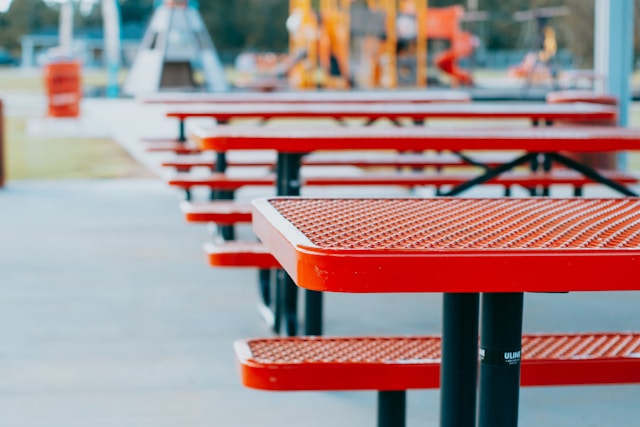
Transforming a plain patch of grass into a functional dining zone benefits the entire campus community. Students get a break from screens, while teachers get focused classrooms. The small investment yields big results for everyday learning.
Making the switch to outdoor dining is a practical choice for modern districts. These fresh setups provide lasting value for generations of students to come. It changes the school experience for the better.