The Middle East is experiencing a massive wave of corporate migration. International firms are moving teams and capital into the Gulf at an unprecedented pace. This shift marks a new era for local economies.
Businesses see massive market gaps waiting for modern solutions. Selecting the right entry point remains a major topic of discussion in global boardrooms.
Image from Pexels.com
Corporate Infrastructure Across The Region
Entering a new market requires a deep understanding of local compliance rules. Regional frameworks differ significantly from Western commercial systems. Leaders must evaluate where to base their central management teams before deploying millions in capital.
Managing regional logistics demands seasoned guidance from professionals who understand local laws. Many global firms look to find expert corporate services in UAE before managing their regional expansions. Gathering the correct legal paperwork helps brands scale without facing sudden operational delays.
Establishing a strong foundation allows firms to look toward neighboring trade zones. The surrounding countries offer unique commercial advantages that complement existing setups. Selecting a proper regional hub simplifies international banking and employment procedures.
Vision 2030 And Economic Shifts
National development programs are reshaping how local commerce functions. Leaders are actively moving away from historical fiscal patterns to build a modern commercial environment.
A recent publication by an international policy index highlighted that economic diversification efforts under the regional development plan have advanced.
This report mentioned a steady rise in non-oil revenue across the marketplace. Private entities notice these structural shifts, like the growth of retail and logistics, and adjust their long-term growth plans. New commercial fields are opening for foreign investments every single month as regulatory barriers dissolve.
Emerging Non-Oil Opportunities
Tech enterprises are finding fertile ground as consumer habits shift toward digital platforms. E-commerce platforms and fintech applications see high adoption rates among a young population. Software engineers and product managers are moving into this area to support this rapid digital transition.
Global Establishments Moving To Riyadh
Major financial institutions are anchoring themselves directly in the capital city. Having a physical presence allows these corporations to participate in historic infrastructure projects.
A monthly review from an American-Saudi trade association shared that a major credit rating agency established a regional headquarters in Riyadh.
The corporate decision reflects an ongoing commitment to support the development of local capital markets and the broader economy.
Moving executives to this area positions financial giants next to sovereign wealth funds. Other financial firms are preparing similar moves to secure their market share.
Local offices allow these financial entities to form closer bonds with regional stakeholders. Direct collaboration leads to faster deal execution and better risk management. Regulatory bodies appreciate when multinational institutions dedicate physical assets to the domestic scene.
National Investment Strategy Targets
Clear fiscal goals provide a transparent roadmap for outside enterprise capital. Government planners want international organizations to anchor their regional supply chains locally.
A comprehensive investment climate statement from a federal department detailed the primary benchmarks for the decade.
The state framework maps out specific metrics to transform the domestic gross product. The primary strategic targets include:
- Elevating private sector contributions to 65% of total gross domestic product.
- Driving foreign direct investment up to 5.7% of the total economic output by 2030.
- Creating specialized economic zones to house technology developers and manufacturers.
These clear objectives remove much of the guesswork for corporate planners. Knowing the state’s exact milestones helps corporate boards align their 5-year roadmaps with national targets.
Regional Headquarter Requirements For Brands
New rules require international companies to hold local operational hubs to win government contracts. Executives are renting commercial real estate in record numbers to comply with these mandates.
Firms must register their offices and hire local talent to meet compliance metrics. These adjustments demand substantial capital upfront but unlock massive public procurement deals. The scale of these public contracts makes the initial setup fees minor.
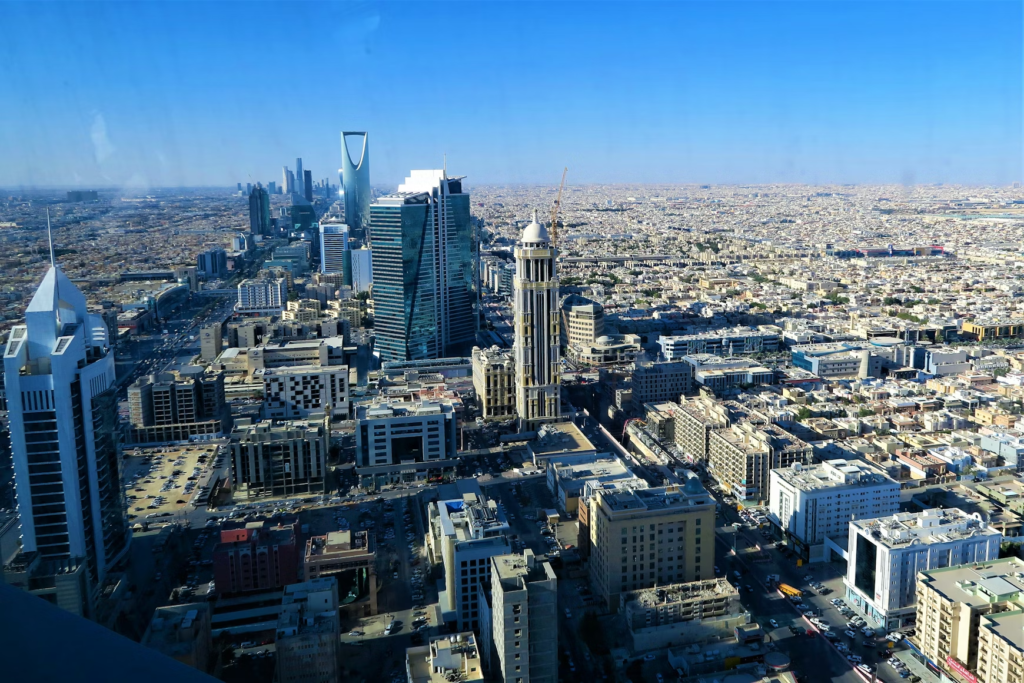
Image from Unsplash.com
Commercial Growth Beyond Traditional Sectors
Technology companies are seeing the fastest customer acquisition rates in decades. Digital transformation sweeps through both public administration and private logistics operations. Venture capital funds are flowing into local startups at a rapid pace.
Tourism and entertainment represent another massive frontier for corporate expansion. Massive entertainment cities are rising from coastal spaces to attract global travelers. Engineering firms are securing multi-year agreements to design these complexes.
Expanding into this territory requires careful timing and substantial local knowledge. The rapid shift toward a diversified economy presents unmatched potential for nimble operations. Enterprises that position themselves early will likely enjoy significant commercial advantages.
Navigating the changing rules remains a test of corporate agility. The rewards for establishing a permanent presence continue to draw global brands toward this historic expansion.