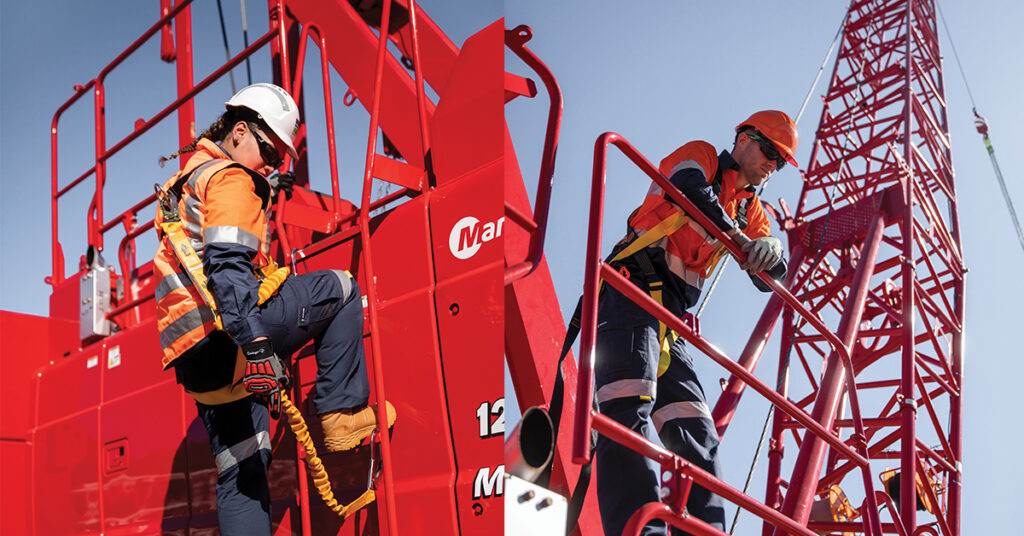
Busy industrial environments expose workers to dangerous hazards that threaten safety across demanding workplace conditions. Reliable helmets provide valuable defence against falling debris, electrical exposure, and unexpected construction site accidents. However, poor equipment quality may create severe injuries that affect productivity, morale, and long-term confidence.
Experienced supervisors prefer durable safety gear because dependable materials support movement throughout hazardous industrial operations. Effective head protection from reliable online sites reduces accident severity and supports greater workforce confidence. This article explains practical factors that help employers select dependable safety helmets for varied workplace hazards.
Assess Workplace Risks
Every work site carries unique hazards, and staff require dependable safety gear suited for particular workplace conditions. Busy construction zones contain falling debris, sharp materials, and unstable equipment, which increase the possibilities of severe accidents. Road crews usually face vehicle exposure, harsh weather, and reduced visibility across crowded public spaces. Managers should review workplace threats carefully before selecting safety gear since unsuitable protection may create serious consequences.
Choose Suitable Styles
Different hard hat styles provide varied protection levels, for which workers should match designs carefully with workplace demands. Full-brim helmets provide broader shade coverage and better rain defence across exposed outdoor construction environments. Cap-style ones suit confined areas as compact structures allow easier movement beside crowded machinery or narrow passageways. Mine crews usually prefer reinforced structures, while underground tasks involve unpredictable debris movement.
Check Electrical Protection
Electrical hazards require specialised safety helmets, while ordinary ones cannot prevent dangerous contact. Non-conductive hard hats reduce electrical transfer risks and support safer movement across industrial locations. Factory supervisors should confirm certification details carefully since poor-quality products may fail under unexpected situations. Reliable protection supports worker confidence and helps supervisors maintain stronger safety standards throughout demanding industrial environments.
Prioritise Comfort Features
Heavy helmets may create neck discomfort, but comfortable support systems remain essential across physically demanding workplaces. Adjustable harness structures provide secure placement and reduce unnecessary helmet movement across uneven surfaces. Soft internal padding improves wearer comfort, while harsh helmet interiors may create headaches. Secure-fitting equipment also helps workers maintain concentration levels since constant helmet adjustment interrupts task performance.
Review Weather Resistance
Outdoor workplaces expose employees to unpredictable weather, and durable products remain necessary across changing environmental conditions. Strong sunlight may create severe discomfort, while persistent rainfall usually affects worker concentration. Broad-brimmed helmets provide extra coverage against harsh weather and support improved comfort. Vented designs also support airflow since excessive heat may create fatigue, besides demanding physical labour requirements.
Examine Accessory Compatibility
Certain workplace tasks require additional protective accessories, while standard helmets cannot address every possible industrial hazard. Face shields support eye and facial protection where sparks, dust, or sharp debris threaten worker safety. Reflective tapes improve visibility considerably and support safer movement. Chin straps also support secure helmet placement, while sudden movement may dislodge loose equipment.
Confirm Safety Standards
Certified products provide stronger reassurance since approved products satisfy recognised Australian workplace safety expectations. Supervisors should examine product labelling carefully before purchasing, while unreliable equipment may fail under severe workplace pressure. Quality products usually contain durable materials that support dependable protection. Employers should also replace outdated equipment promptly, while damaged structures rarely provide suitable workplace protection after severe impacts.
Proper head protection supports workforce confidence and reduces accident severity across construction zones, factories, and roadside environments. Careful attention toward helmet quality, comfort, certification, and weather resistance helps employers maintain stronger workplace safety standards. So, compare trusted online safety gear suppliers carefully and secure a dependable protective hat to support lasting workplace protection.