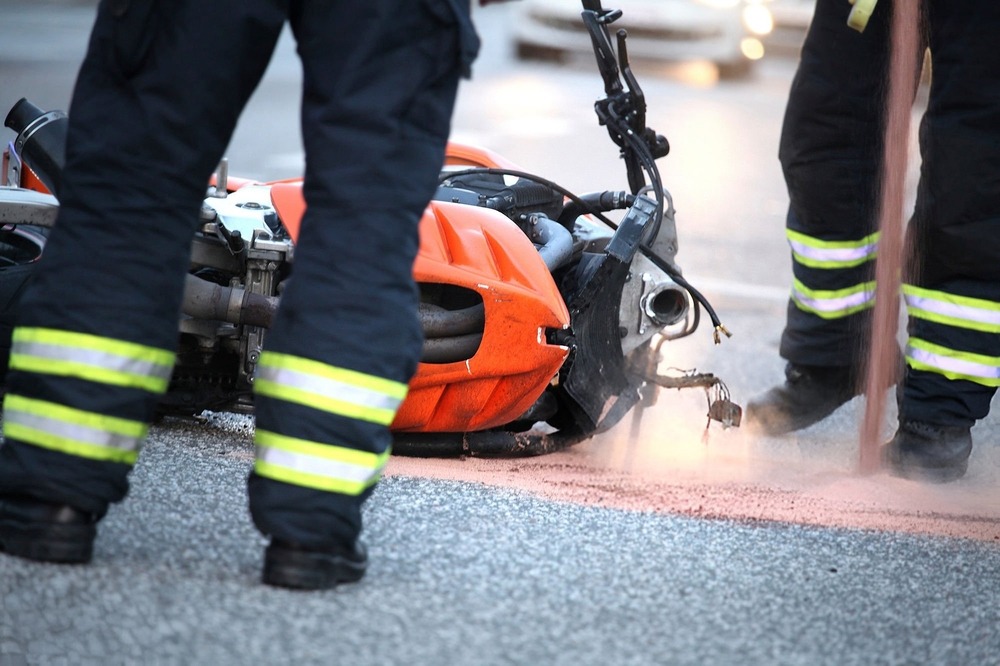
Philadelphia traffic rarely gives motorcycle riders extra space to think clearly.
One quick lane change, one blocked mirror, or one rushed left turn can completely change the direction of a normal ride. The hardest part comes later because many important details disappear before anyone fully understands what happened. Busy roads, crowded intersections, and fast-moving traffic often leave behind confusion instead of clear answers. People usually focus on the damaged vehicles first, while smaller details quietly fade into the background.
That missing information can later affect insurance discussions, injury claims, and accident reports in ways many riders never expect. Some stories become far more complicated overnight.
Traffic Conditions Can Change the Entire Story
Philadelphia streets are packed with buses, delivery vans, rideshare drivers, and impatient commuters trying to move through narrow roads at the same time. Motorcycle riders often have less room to react because traffic patterns can shift without warning. A car drifting into another lane may look small from a distance, but it can force a rider into a dangerous position within seconds.
Road conditions also matter more than many drivers realize. Uneven pavement, sudden construction zones, and blocked intersections can affect how a motorcycle moves through traffic. Heavy stop-and-go movement around downtown areas creates pressure on everyone sharing the road. A motorcycle accident lawyer in Philadelphia may review these traffic conditions closely because they sometimes explain details that are overlooked immediately after a crash.
Drivers Often Misjudge Motorcycle Speed and Distance
Motorcycles appear smaller than cars, and that can create serious misunderstandings in traffic. Some drivers believe they have enough time to turn at an intersection or merge into another lane, only to realize too late that the motorcycle was much closer than expected.
Left turn accidents are especially common in crowded Philadelphia traffic because drivers focus heavily on larger vehicles. A motorcycle can disappear behind traffic for only a second before suddenly reappearing directly in front of a turning driver. That short gap in visibility sometimes becomes the center of the entire accident discussion later.
Small Pieces of Evidence Sometimes Matter Most
Motorcycle accidents often leave behind important details that disappear quickly after the roadway is cleared. Some evidence may seem minor at first, but it can later help explain how the collision happened.
Important details may include:
- Traffic camera footage
- Skid marks on the road
- Damage to helmets or clothing
- Vehicle positioning after impact
- Witness contact information
Many businesses only keep surveillance footage for a short time. Witnesses may also leave the scene before officers collect their information. Once those details disappear, rebuilding the full story becomes harder for everyone involved.
Injuries Are Not Always Fully Visible Right Away
Some motorcycle injuries do not appear serious immediately after an accident. Adrenaline can temporarily hide pain, especially after a stressful collision in heavy traffic. Riders sometimes leave the scene believing they escaped major harm, then notice symptoms becoming stronger later.
Concussions, back injuries, neck strain, and soft tissue damage may take time to develop fully. Delayed medical records can sometimes create confusion during insurance reviews because adjusters may question how severe the injuries actually were. That does not mean the injuries are minor. It simply means the body does not always react instantly after trauma.
Witnesses Often See Only Part of the Crash
Busy Philadelphia traffic creates distractions that make motorcycle accidents difficult for witnesses to fully follow. Some people hear tires screech or see the final impact without seeing the events leading up to the collision. Others may remember certain details clearly while missing important parts of the timeline completely.
Different witness accounts can create confusion because each person views the accident from a different angle. One driver may focus on traffic speed while another remembers road positioning or weather conditions. Small differences in those observations sometimes affect how the accident is later understood.
Closing Thoughts
Motorcycle accidents in Philadelphia often involve more confusion than people first realize. Heavy traffic, missing evidence, delayed injuries, and conflicting witness accounts can all affect how a crash is viewed afterward. Small details that seem unimportant at first may later become part of larger insurance discussions or accident reviews.
Keeping records organized and paying attention to changing symptoms can help riders protect important information after a collision. Many cases become difficult simply because the full picture disappears too quickly in busy city traffic. Speaking with a motorcycle accident lawyer in Philadelphia may also help riders better understand the information connected to their accident.