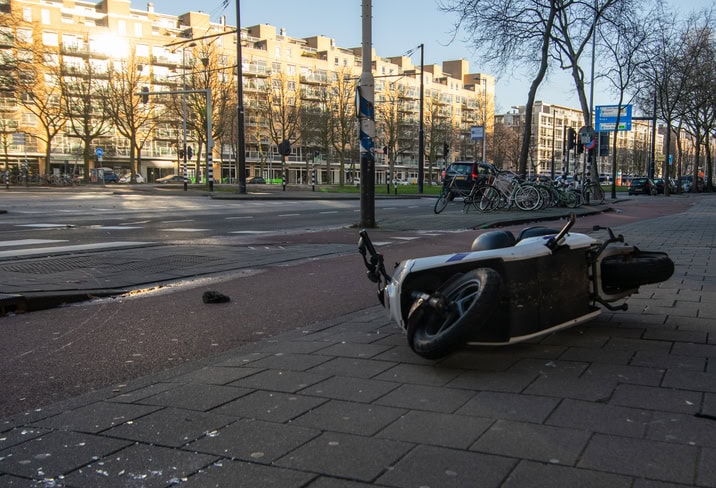
Electric scooters have become a common sight on city streets. They offer a quick way to get around town without a car. Yet this popularity comes with a downside: scooter accidents are on the rise.
According to data from the Consumer Product Safety Commission, emergency room visits related to scooter injuries jumped significantly between 2017 and 2018. More recent studies show the trend continues. Riders face real risks from falls, collisions, and road hazards. Understanding these dangers helps you stay safe.
Common Causes of Scooter Accidents
Scooter accidents happen for many reasons. Road conditions play a major role. Potholes, cracks, and uneven pavement can throw a rider off balance. Wet surfaces make it harder to control the scooter. Gravel and debris create unpredictable traction. If you suffer injuries from a scooter accident caused by poor road maintenance, a scooter accident attorney can help you understand your legal options.
Rider behavior also matters. Speed is a factor in many accidents. Riders who go too fast cannot stop quickly or avoid obstacles. Distracted riding, such as using a phone, reduces awareness. Lack of protective gear increases injury severity when crashes occur.
Traffic interactions cause problems too. Drivers may not see scooter riders. Riders may misjudge traffic patterns or fail to follow traffic laws. These conflicts between scooters and cars lead to serious collisions.
Injury Risks From Scooter Accidents
Let’s break it down. Scooter accidents cause a range of injuries. Head injuries top the list. The National Safety Council reports that riders without helmets face much higher risks of brain damage. Fractures in the wrist, ankle, and arm are common. Riders often put out their hands to catch themselves, which breaks bones in the process.
Soft tissue injuries like sprains and strains happen frequently. Road rash, the scraping of skin against pavement, causes painful wounds and scars. Some accidents result in more serious injuries like broken legs or spinal damage. A small fall at low speed might cause minor bruises. A collision at higher speed can cause life-changing injuries.
The severity depends on several factors. Speed at impact matters. Protective gear makes a real difference. The type of surface you hit affects outcomes. Age and overall health play roles too. Younger riders often recover faster, while older adults face longer recovery times.
Helmet Use and Protective Gear
Helmets save lives. The Centers for Disease Control and Prevention states that helmets reduce the risk of head injury by 70 percent. Yet many riders skip them. Some say helmets feel uncomfortable. Others think they look bad. These excuses pale compared to the cost of a head injury.
Choose a helmet that fits properly. It should sit level on your head, not tilted back or forward. The straps should form a V under your chin. You should not be able to move the helmet more than an inch in any direction.
Other gear matters too. Wrist guards protect against fractures. Knee and elbow pads cushion impacts. Closed-toe shoes with good grip help you stay on the scooter. Bright or reflective clothing makes drivers see you better. Wearing gear feels like extra effort, but it prevents serious injury.
Understanding Road Hazards
Not all scooter accidents come from rider error. Road conditions create real dangers. Potholes can catch a wheel and send a rider flying. Tree roots pushing up concrete create uneven surfaces. Gravel in bike lanes reduces traction. Wet leaves hide obstacles underneath.
Some cities have better scooter infrastructure than others. Dedicated scooter paths keep riders away from cars and pedestrians. Smooth pavement reduces jolts and falls. Regular maintenance removes hazards. Cities without these features see more accidents.
Weather plays a role. Rain reduces traction and visibility. Fog makes it hard for drivers to see scooter riders. Ice and snow create extremely slippery conditions. Night riding brings its own challenges. Poor lighting makes it hard to spot hazards ahead.
Legal Responsibilities and Rights
Scooter riders have responsibilities. Most places require riders to follow traffic laws. This means stopping at red lights, yielding to pedestrians, and riding in designated areas. Some cities require helmets by law. Breaking these rules can make you liable if an accident occurs.
But riders also have rights. If a city fails to maintain roads properly, it may bear responsibility for accidents. If a driver hits a scooter rider, the driver can be held liable. If a scooter company fails to maintain equipment or provide safety warnings, riders may have a claim.
Proving liability takes work. You need evidence of what caused the accident. Photos of road conditions help. Witness statements matter. Medical records document your injuries. Police reports provide official accounts. Gathering this information quickly after an accident protects your rights.
Steps to Take After an Accident
If you have a scooter accident, take these steps. First, get to safety. Move away from traffic if you can. Call for medical help if you are injured. Do not move if you have a spinal injury.
Second, document the scene. Take photos of the accident location. Capture road conditions, weather, and any obstacles. Get pictures of your injuries and damage to the scooter. Write down what happened while it is fresh in your mind.
Third, gather information. Get the names and contact details of witnesses. If a car was involved, get the driver’s insurance information and license plate number. Call the police and get a report number. This report becomes important evidence.
Fourth, seek medical care. Some injuries appear hours or days after an accident. A doctor can identify problems you might miss. Medical records prove the connection between the accident and your injuries.
Fifth, report the accident to the scooter company if you were using a rental. Keep all receipts and communications. Report the accident to your insurance company if you have coverage.
Prevention Tips for Riders
You can reduce your accident risk. Always wear a helmet and protective gear. This is the single most important thing you can do. Ride at safe speeds. Going slower gives you time to react to hazards.
Stay alert. Keep your eyes on the road ahead. Watch for potholes, gravel, and wet spots. Avoid using your phone while riding. Do not ride when tired or impaired.
Follow traffic laws. Stop at red lights. Yield to pedestrians. Ride in designated lanes when available. Use hand signals to show where you are going. Make yourself visible with lights and bright clothing.
Check your scooter before each ride. Make sure the brakes work. Check that the deck is not cracked. Ensure the wheels spin freely. Report problems to the rental company.
Avoid riding in bad weather. Rain and fog increase accident risk. Wet pavement reduces traction. Night riding requires extra caution. Wait for better conditions when possible.
When to Seek Legal Help
Some scooter accidents result in serious injuries or significant costs. If you face medical bills, lost wages, or lasting pain, getting legal advice makes sense. An attorney can review what happened and determine who bears responsibility.
You may have a claim against the city for poor road maintenance. You might have a claim against a driver who hit you. You could have a claim against the scooter company for equipment failure or safety issues. An attorney knows how to investigate and build your case.
Do not let time pass. Most places have deadlines for filing claims. Acting quickly preserves evidence and witness memories. Getting legal help early protects your rights and your future.
Moving Forward Safely
Scooter riding can be safe when you take the right precautions. Wear protective gear every time. Stay alert and follow traffic laws. Maintain your scooter and avoid hazardous conditions. If you do have an accident, document everything and seek medical care.
Scooter accidents cause real injuries and real costs. By understanding the risks and taking steps to prevent accidents, you protect yourself. And if an accident does happen, you will know what to do next.