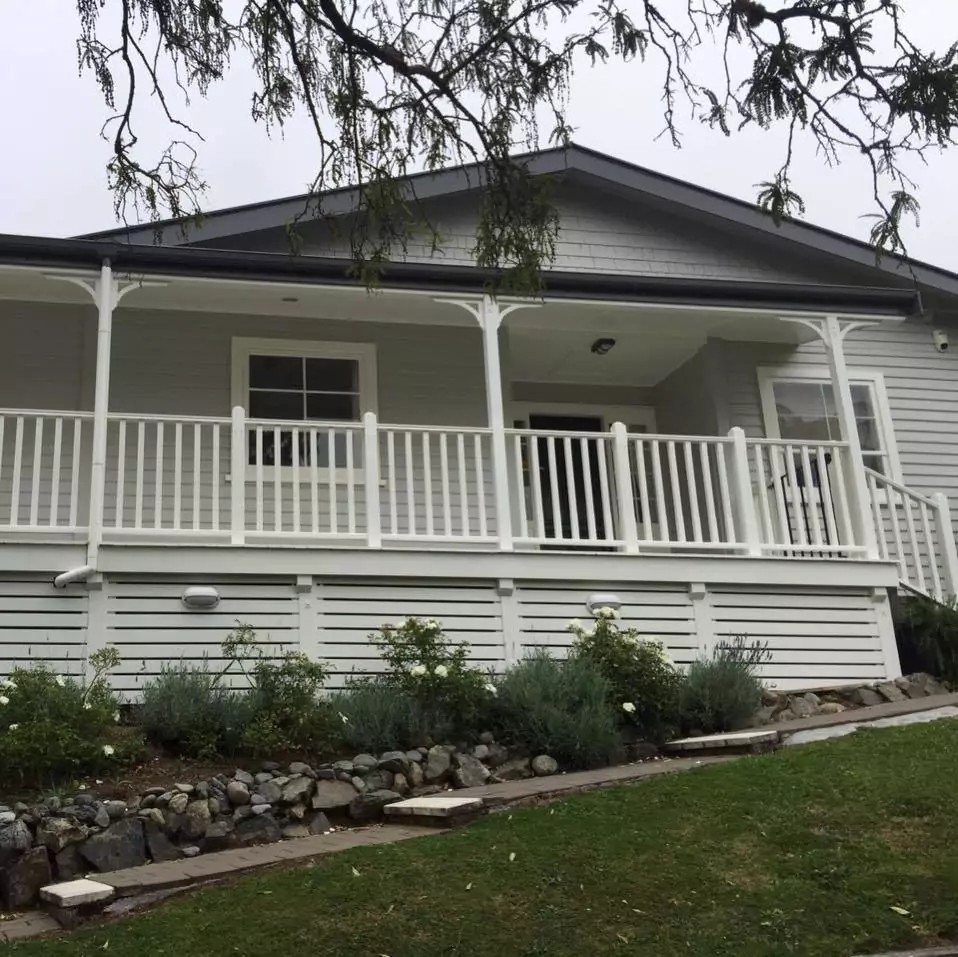
A new paint system can protect cladding, reduce moisture damage, and restore a home’s street appeal. Poor workmanship does the opposite, leaving blisters, stains, early peeling, and avoidable repair bills. Wellington adds extra pressure from wind, salt spray, ultraviolet exposure, and prolonged, damp conditions. These questions help homeowners assess skill, preparation, materials, safety, communication, and aftercare before signing a quote or opening the gate to a crew.
1. Are They Licensed and Insured?
Before accepting any estimate, homeowners should confirm trade status, public liability cover, and workplace safety procedures. Access gear, ladders, roof edges, and older surfaces all carry risk. Experienced house painters in Wellington should explain insurance details, worker protection, and site duties in plain language, so both occupants and tradespeople are protected during washing, scraping, coating, cleanup, and final inspection.
2. What Experience Do They Have Locally?
Wellington houses face wind-driven rain, salt deposits, shaded walls, and sudden temperature shifts. A painter familiar with those conditions can choose primers and topcoats with better moisture tolerance. Owners should ask how many nearby homes the team has completed. Similar projects, such as weatherboards, plaster systems, villas, or apartments, give the most useful comparison.
3. Can They Provide Recent References?
References reveal habits that photos cannot show. A former client can describe punctuality, tidiness, noise control, communication, and care around pets or planting. Recent feedback matters most because crews, products, and standards can change. Homeowners should request two or three contacts from the last six months, then ask whether the finish still looks sound.
4. What Preparation Is Included?
Paint rarely fails because the colour was chosen poorly. Failure usually starts with weak preparation, trapped moisture, chalky residue, or unstable old coating. A written scope should include washing, scraping, sanding, filling, caulking, masking, and priming. Rotten timber, rusted fixings, cracked plaster, or open joints also need a clear repair plan before any topcoat is applied.
5. Which Paint Products Will Be Used?
Product choice affects adhesion, washability, colour retention, and resistance to fungal growth. Homeowners should ask for the brand, line, sheen, primer type, and the number of coats. Exterior walls need coatings that are moisture- and sunlight-resistant. Kitchens, bathrooms, laundries, and hallways often benefit from washable finishes that tolerate steam, hand marks, and frequent cleaning.
6. How Is the Quote Structured?
A useful quote separates labour, materials, preparation, minor repairs, access equipment, and coating layers. That detail makes the comparison fair. A low price may omit sanding, primer, scaffold, or disposal. Homeowners should read exclusions carefully, then ask how variations are approved. Clear pricing reduces disputes once work begins and keeps the budget from drifting.
7. Who Will Be on Site?
The estimator may not lead the crew. Homeowners should ask who supervises daily work, how many painters will attend, and whether subcontractors are involved. One named contact prevents mixed messages about colours, entry times, pets, alarms, or parking. Good site leadership also supports consistent workmanship across different rooms, elevations, and weather delays.
8. What Is the Expected Timeline?
A realistic schedule accounts for washing, drying, repairs, masking, coating, and curing time. Exterior painting can pause during rain, strong gusts, or heavy condensation. Homeowners should ask for a start date, likely duration, and weather plan. Honest timing is safer than a rushed promise, especially where timber needs proper drying before recoating.
9. How Will the Property Be Protected?
Good painters protect the parts of a home that are not being coated. Floors, furniture, windows, paths, roofing, decks, plants, and vehicles need to be covered or separated. Drop cloths, masking film, clean storage, and careful waste handling all matter. For exterior work, ladder placement and scaffold setup should be planned before tools arrive.
10. What Warranty Is Offered?
A warranty should be written clearly, linked to workmanship and product guidance, and plain. Homeowners need to know the term, claim process, and exclusions. Moisture ingress, structural movement, poor ventilation, or unapproved washing may limit cover. A careful contractor will inspect concerns, explain likely causes, and state how peeling, bubbling, cracking, or premature fading is handled.
Conclusion
Choosing a painter is a practical decision, not just a price check. The strongest candidates can discuss preparation, weather exposure, product selection, site safety, and warranty terms without vague answers. Wellington’s climate rewards careful surface work and punishes shortcuts quickly. By asking these ten questions, homeowners can reduce risk, protect property value, and secure a cleaner finish that lasts through several seasons.