
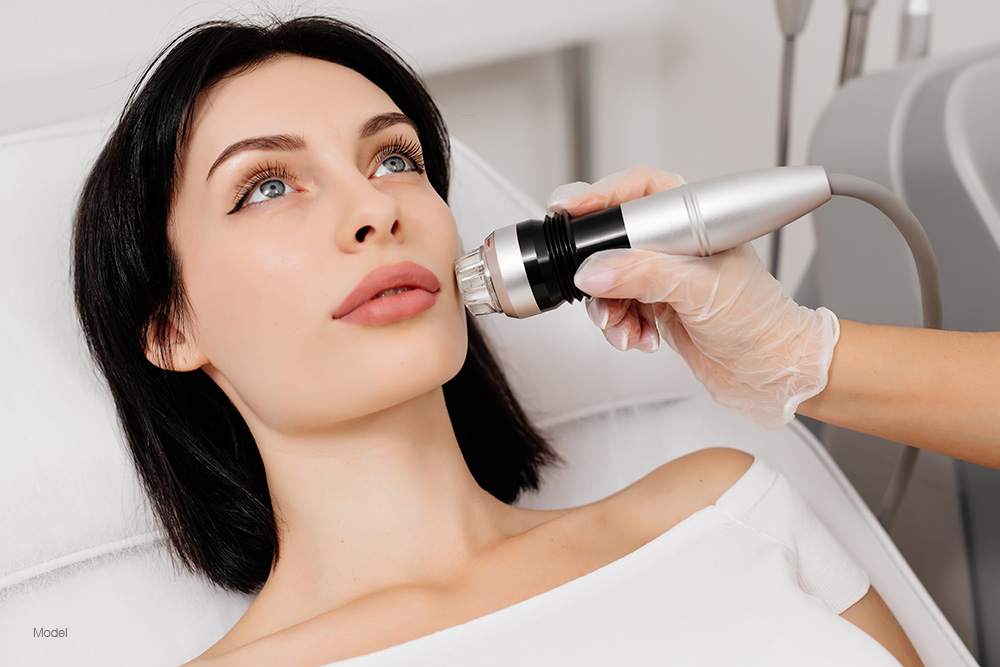
Scars and fine lines often reflect one biological shift: collagen becomes less orderly after acne, after ultraviolet exposure, or after routine aging. Microneedling addresses both by creating tiny punctures that trigger repair without stripping broad surface layers. That distinction matters because texture can improve while recovery stays brief. With adjustable depth, clinicians can treat post-acne depressions, early creases, and uneven tone in a focused plan that fits many healthy adults.
Why It Fits Busy Schedules
Many scar treatments ask patients to trade visible healing for smoother skin, which can be hard for anyone balancing work, family, and regular appointments. In that setting, microneedling in Newport Beach often enters the discussion because it stimulates repair below the surface while leaving most of the barrier intact, so redness tends to fade quickly, and routine activities usually resume without much disruption.
How Repair Starts
A microneedling device passes across the skin and creates controlled microchannels at a selected depth. Those openings prompt an inflammatory response, followed by fibroblast activity and fresh collagen formation. Elastin production also increases as healing progresses. Over time, that rebuilding can make rough texture feel smoother and shallow creases look less defined. Because the surrounding tissue remains largely preserved, downtime stays shorter than with more ablative methods.
Why Scars Respond
Acne scars often persist because tethered tissue pulls the surface downward and casts shadows under ordinary light. Microneedling helps loosen that visual irregularity by encouraging remodeling within the dermis. Repeated sessions can soften scar edges and improve blending with nearby skin. Most practices leave several weeks between visits so new collagen can mature. That spacing supports gradual change without requiring a long break from daily responsibilities.
Why Fine Lines Improve
Early lines become easier to see when the dermal matrix thins and the skin loses spring. Microneedling promotes a firmer texture by stimulating structural proteins that help maintain resilience. Areas near the mouth, cheeks, and forehead may appear smoother as new fibers develop. Results do not appear all at once, yet that slower pace often looks natural. Improvement comes from tissue renewal rather than temporary puffiness or heavy exfoliation.
What a Session Involves
A visit usually lasts 30 to 60 minutes, depending on the treatment area and the clinical plan. The skin is cleansed first, then a numbing cream is applied before the device is moved in measured passes. Needle depth can change across thinner or thicker zones. Patients may feel warmth, pressure, or a scratchy sensation. Most describe the experience as tolerable, especially once the anesthetic cream has taken effect.
Why Downtime Stays Low
After treatment, the skin often looks pink and feels warm, similar to a mild sunburn. Slight swelling and temporary tightness are also common during the first day or two. Most patients return to desk work and routine errands quickly, although strenuous exercise, active activities, and direct sun are usually limited for a short period. That shorter recovery window is a major reason many adults choose microneedling over more aggressive resurfacing.
When Changes Show
Visible change usually appears in stages rather than in one dramatic shift. Some patients notice a brighter tone within several days, while scar depth and fine lines tend to soften over the next few weeks. Collagen remodeling takes time, so a series is often recommended when texture concerns are more established. Standardized photographs can be useful because subtle gains are easy to miss when bathroom lighting and daily swelling vary.
Who Often Benefits
Common candidates include adults with acne scarring, enlarged pores, early wrinkling, or mild sun-related textural change. Many skin tones tolerate microneedling well because the method does not depend on broad surface heat. Treatment may need to wait if active breakouts, open wounds, or certain inflammatory conditions are present. A careful evaluation helps determine depth, session timing, and aftercare so the approach matches the condition being addressed.
Conclusion
Microneedling stands apart because it improves scars and fine lines through controlled wound healing, rather than broad removal of the skin surface. That mechanism can support smoother texture, softer creases, and a shorter recovery period for many patients. Several sessions are often needed, yet the process usually fits real schedules without major interruption. For adults seeking visible improvement with limited downtime, it remains a practical and medically sound option.