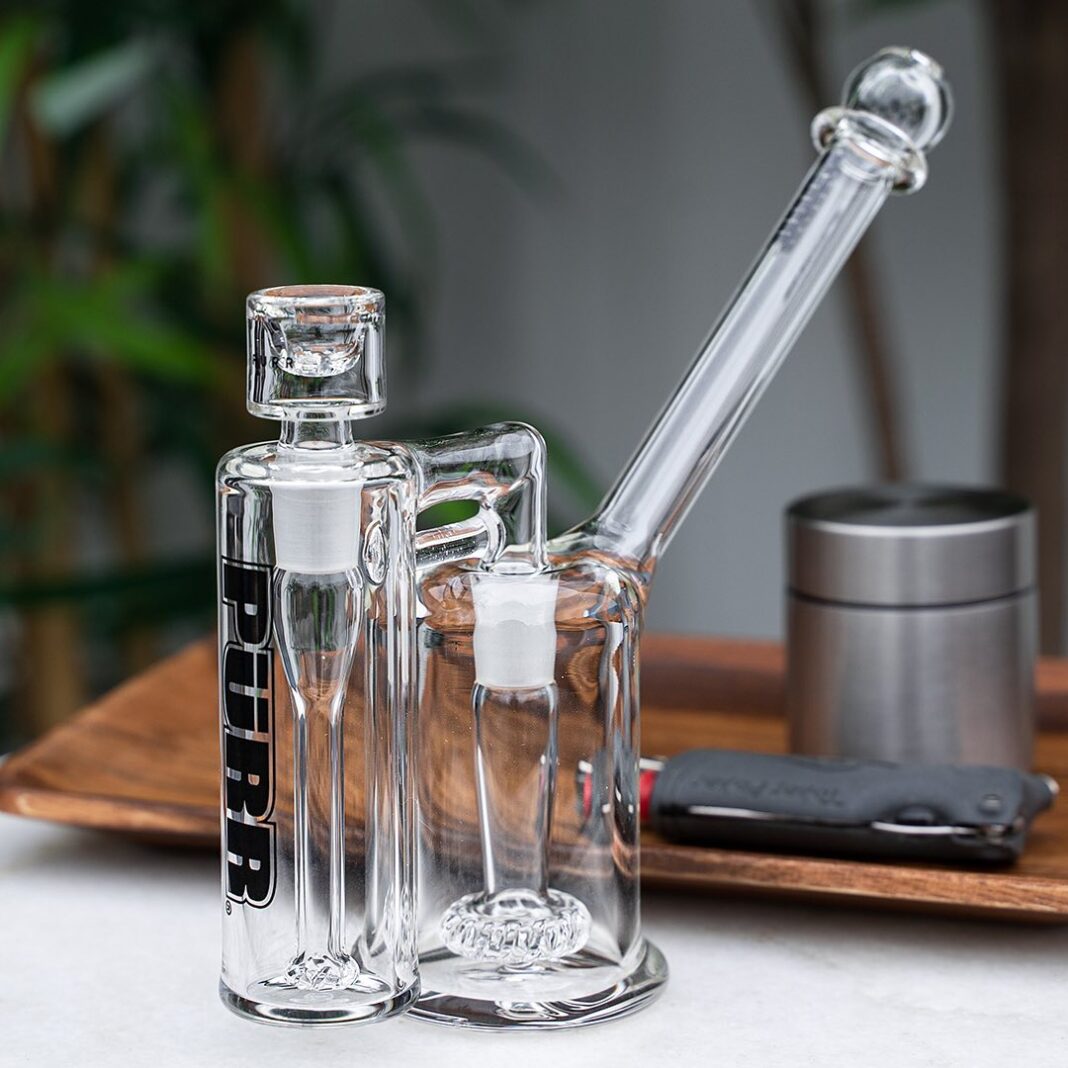

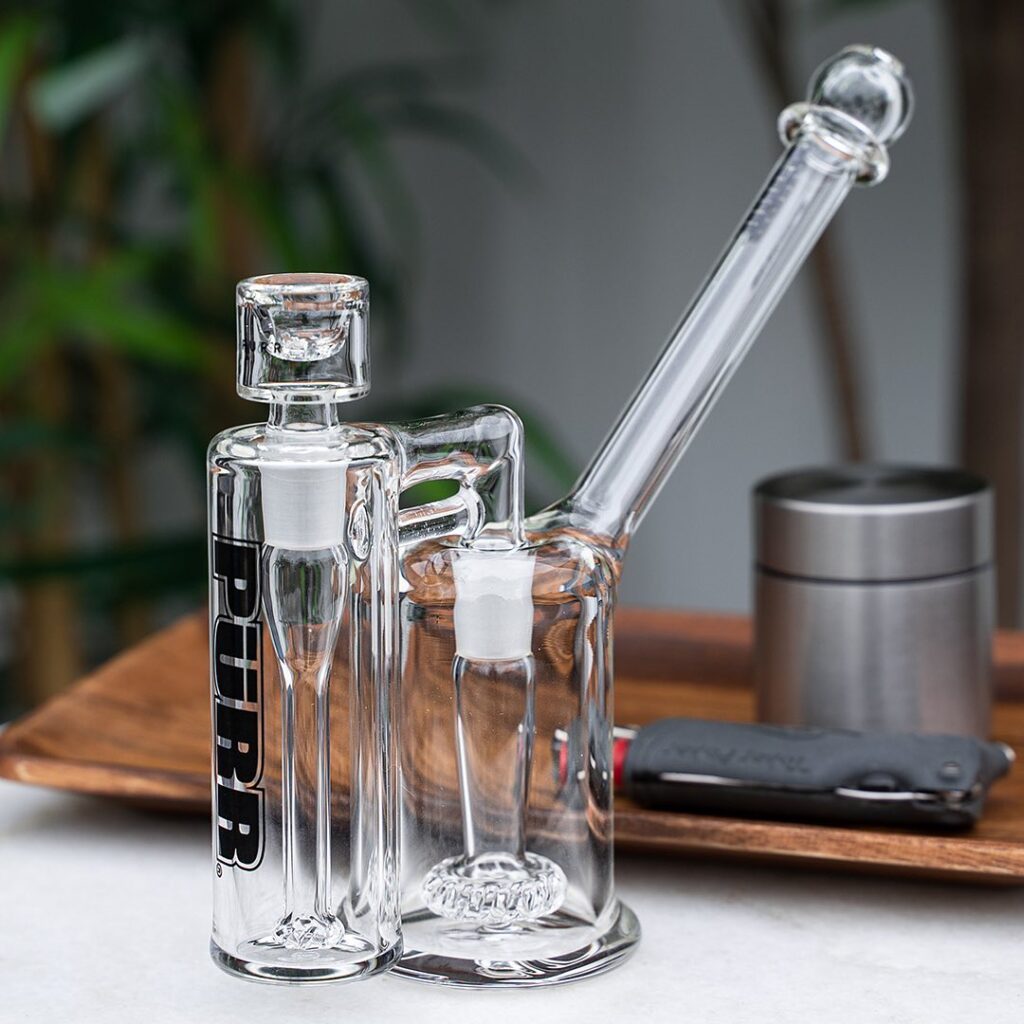
Glass bongs may appear straightforward, yet material grade affects service life, flavor neutrality, and structural safety. In 2026, labels such as “3.3 borosilicate” appear often, though many buyers still judge pieces by shape alone. That misses the real issue. Heat movement, surface stability, and internal stress decide whether a tube stays reliable through cleaning, storage, and regular handling. A clear grasp of grade terms helps buyers compare functions, not just appearance.
Grade Basics
Most shoppers start with size, silhouette, or cost, yet borosilicate grade gives better clues about long-term performance. While comparing premium glass bongs for sale online, many people overlook that grade labels reflect thermal expansion, chemical resistance, and crack risk during ordinary use. A well-made piece should stay flavor-neutral, tolerate rinse temperature changes, and keep its structure after frequent cleaning, shelf storage, and careful transport.
The Meaning of 3.3
The mark seen most often on higher-end pieces is 3.3 borosilicate. That figure refers to average thermal expansion, about 3.3 x 10^-6 per kelvin. Lower expansion means less movement during heating or cooling. In daily use, it reduces stress from warm water, room air, or cleaning solution. Laboratory glass often relies on the same class because it handles water exposure and mild acids with strong chemical stability.
Lower Grades and Look-alikes
Cheaper products may use 4.9 or 5.1 borosilicate blends, while some entry pieces rely on soda-lime formulas near 9.1. Those options can still function, but they react more sharply to sudden temperature shifts. A thick body may seem convincing at first. Chemistry tells the fuller story. Higher expansion raises the chance of chips, hairline fractures, or weak seams after routine washing and repeated handling.
Thickness Is Separate
Wall thickness matters, though it should never be mistaken for grade. Extra mass can soften the effect of a small bump against a counter or sink edge. Material composition still governs heat response and fracture behavior. A thinner 3.3 beaker may outlast a heavy, low-grade tube during repeated rinsing cycles. Buyers should read both details, because thickness alone cannot confirm better thermal tolerance or sound chemistry.
Annealing Matters
Annealing often decides whether a finished piece remains stable months later. After shaping, glass must cool on a controlled schedule so hidden tension can relax. If that process is rushed, stress stays trapped near bends, welds, and decorative features. Failure may happen long after purchase. Smooth transitions, balanced joints, and consistent seam lines often suggest more careful temperature control during production.
Joint Fit and Stress
Joint quality affects durability as much as airflow. A poorly grounded connection can wobble, leak, or place uneven force on one narrow point during bowl changes. That repeated pressure raises fracture risk around the female joint. Better fittings seat evenly and release cleanly without twisting strain. In practice, a precise 14 millimeter or 18 millimeter joint also keeps adapters and ash catchers aligned during daily use.
Percolators Change Durability
Percolators can cool smoke effectively, yet each added feature creates more fragile geometry inside the chamber. Slits, discs, tree arms, and honeycomb plates introduce extra welds and thin sections. Those areas demand cleaner finishing and better raw material. Simpler beakers or straight tubes usually tolerate routine handling more easily. Complex filtration works best when the base glass, weld quality, and internal support are all consistently strong.
Heat, Cleaning, and Lifespan
Regular care places more strain on glass than many users expect. Hot tap water, cool rinses, alcohol cleaners, and accidental contact with hard surfaces create repeated stress cycles. Better borosilicate handles those changes with less fatigue. Lower-grade formulas may cloud sooner or crack after one abrupt temperature swing. Gentle maintenance still matters, but stronger material offers a wider margin for safe cleaning and predictable service life.
Practical Buying Checks
A quick inspection often reveals more than product copy. Buyers should look for level bases, even wall thickness, straight joints, and clean seam transitions. Tiny bubbles are not always harmful, though clusters near welds deserve caution. Weight balance also counts. A stable beaker tips less easily, while a clean straight tube may provide easier draw resistance. Reliable function usually comes from small manufacturing choices made consistently.
Conclusion
“Borosilicate grade” is more than a technical label. It offers a useful guide to heat tolerance, structural safety, flavor purity, and day-to-day reliability. For 2026 buyers, well-annealed 3.3 glass remains the strongest baseline, especially when paired with precise joints and balanced construction. Decorative features can add interest, yet they cannot correct weak material. Reading grade details first usually leads to a piece that lasts longer and performs with fewer problems.