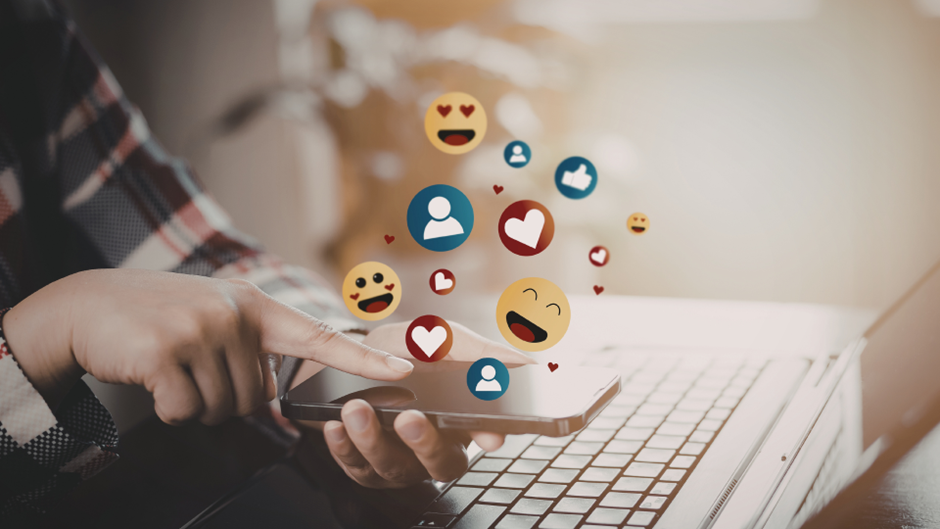
Photo from Canva Editor
The movement from traditional media to modern online platforms is one of the most important communication changes of recent decades. Newspapers, magazines, radio, and scheduled television once shaped how people received news, entertainment, and public information. These channels relied on centralized production, fixed publishing cycles, and limited audience feedback. Today, digital platforms have changed that structure. Content can be created, published, shared, updated, and monetized in ways traditional media could not easily support.
This shift is not just about replacing paper with screens. It reflects deeper changes in technology, audience behavior, business models, and public trust. Mobile internet, search engines, streaming services, social platforms, newsletters, podcasts, independent websites, and visitor guides for destinations such as whangamata have changed how information moves. The result is a more flexible media environment, but also a more complex one.
Traditional Media and Online Platforms: The Core Difference
Traditional media usually follows a one-to-many model. A newspaper publishes an edition, a radio station airs a program, or a television channel follows a schedule. Audiences receive the content, but their ability to respond or influence distribution is limited.
Modern online platforms work differently. They support continuous publishing, instant sharing, searchable archives, comments, recommendations, and personalized feeds. A reader can move from an article to a video, then to a discussion thread, then to a podcast on the same topic. This creates a more interactive experience where audiences are not only consumers, but also participants.
For example, someone who once waited for the evening news can now follow live updates, read expert commentary, save a newsletter, compare multiple sources within minutes, or use a TDEE Calculator as part of everyday health and fitness research online.
5 Key Factors Driving the Shift
- Mobile access
Smartphones made media portable. People no longer need to be near a television, radio, or printed publication to stay informed. - On-demand consumption
Audiences increasingly expect to choose what they watch, read, or listen to, and when they do it. Fixed schedules still exist, but they no longer define the full media experience. - Algorithmic discovery
Online platforms often recommend content based on behavior, interests, location, and previous interactions. This can improve relevance, but it also raises concerns about filter bubbles. - Lower barriers to publishing
Digital tools allow individuals, small publishers, and specialist organizations to reach audiences without printing facilities or broadcast infrastructure. - New revenue models
Traditional advertising and subscriptions have been joined by digital subscriptions, memberships, sponsored content, paid newsletters, and platform monetization.
How Audience Behavior Has Changed
Modern audiences often move across several formats and platforms in a single day. A person may read headlines on a phone, listen to a podcast while commuting, watch a long-form video at home, follow music discussions about figures such as Leo Faulkner, and later share an article with colleagues. This multi-platform behavior has changed how media organizations plan content.
It has also changed expectations. Audiences often want faster updates, clearer explanations, and more transparency about sources. They may compare several outlets before forming an opinion, especially on complex issues. At the same time, quick sharing can spread incomplete or inaccurate information, which makes editorial standards and media literacy more important.
A practical scenario shows the difference clearly. In the traditional model, a local event might be covered in the next morning’s newspaper or the evening broadcast. In the digital model, updates may appear in real time, followed by photos, public comments, official statements, and later analysis.
Impact on Media Businesses and Content Creation
The business impact has been substantial. Print circulation has declined in many markets, while digital advertising has grown around search, social platforms, video, and programmatic systems. Many established publishers have responded by building websites, mobile apps, podcasts, newsletters, subscription plans, and multimedia teams.
Content creation has also changed. Writers, editors, designers, audio producers, video editors, data analysts, and audience specialists often work together on digital media products. A single report may become a written article, a visual explainer, an audio segment, a short video, and a newsletter summary. This means editorial teams now think more carefully about how people discover and use information.
Trust, Regulation, and Responsibility
The shift to online platforms has created clear benefits, including accessibility, variety, speed, and participation. However, it has also introduced serious challenges. Misinformation, weak sourcing, privacy concerns, opaque recommendation systems, and uneven moderation can affect public understanding.
This is where experience and editorial judgment matter. Reliable media work still depends on fact-checking, clear sourcing, context, corrections, and accountability. Technology can improve distribution, but it cannot replace responsible editorial processes.
Conclusion
The shift from traditional media to modern online platforms is not a short-term trend. It is an ongoing transformation in how content is produced, distributed, monetized, and evaluated. Traditional media brought structure, editorial control, and shared public moments. Online platforms added speed, personalization, interaction, and wider access.
The future is likely to be hybrid. Established media organizations will continue adapting to digital habits, while independent creators and online communities will keep shaping public conversation. The strongest media systems will combine the reach and flexibility of digital platforms with the discipline, accuracy, and accountability associated with strong editorial practice.