
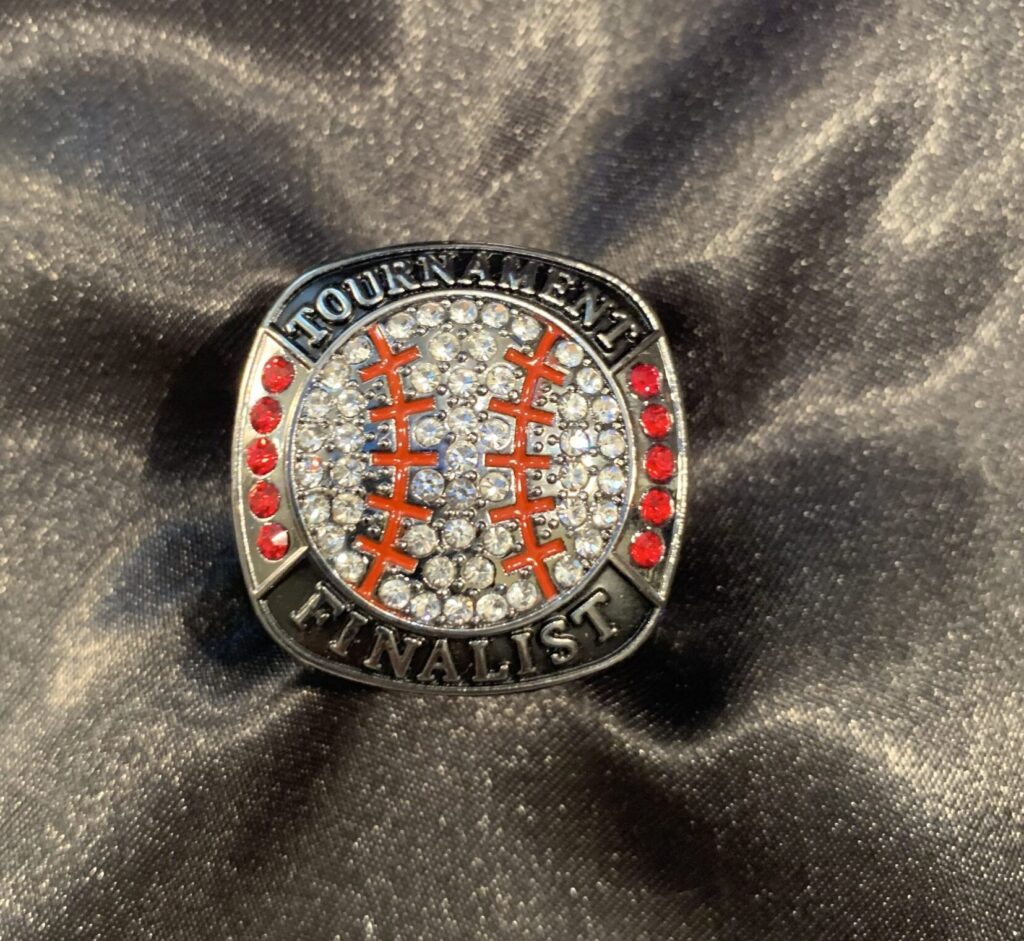
An awards banquet is more than a meal, a slideshow, and a few speeches. It is the final emotional moment of the season. It is where athletes, coaches, families, and supporters gather to celebrate what the team accomplished together. Whether the season ended with a title, a playoff run, a major improvement, or a meaningful group experience, the banquet should help everyone feel the importance of the journey. That is where the idea of a “championship moment” comes in. A championship moment is a planned highlight that makes the event feel special, memorable, and worthy of the work athletes put in all season. It does not have to be expensive or complicated. With the right planning, awards keepsakes, music, photos, storytelling, and presentation, coaches can create a banquet experience that athletes and families remember long after the season ends.
What Is a Championship Moment?
A championship moment is the emotional peak of the awards banquet. It is the part of the night that makes athletes sit up, families take photos, and the team feels proud of what they built. For some teams, this moment may be the presentation of rings, medals, trophies, or plaques. For others, it may be a senior tribute, a highlight video, a coach’s speech, or a teamwide recognition ceremony. The key is intention. Instead of letting the banquet feel like a checklist, the championship moment gives the event a clear focal point.
A strong championship moment should feel:
- Personal
- Celebratory
- Organized
- Emotional
- Connected to the season
- Inclusive of the team’s journey
- Worthy of photos and memories
The goal is not to copy a professional sports ceremony. The goal is to make your athletes feel like their season mattered.
Start With the Story of the Season
Every great banquet begins with a story. Before planning decorations or awards, think about the season’s main theme. Did the team overcome adversity? Did younger players grow into leaders? Did the group exceed expectations? Did seniors leave a legacy? Did athletes show unusual toughness, unity, or improvement? Your championship moment should connect to that story.
For example, if the season was about resilience, highlight comeback wins, injured players who supported the team, or moments when the group refused to quit. If the season was about unity, show photos of team huddles, sideline celebrations, and players supporting one another. If the season ended with a title, build the moment around the championship game and the work that led to it.
A banquet becomes more powerful when it reminds everyone of the full journey, not just the final result.
Choose One Main Highlight
A common mistake is trying to make every part of the banquet feel equally big. That can make the event feel long or scattered. Instead, choose one main highlight and build around it. This could be the championship award presentation, senior recognition, MVP announcement, ring ceremony, or team tribute video.
Your main highlight might be:
- Presenting championship rings or medals
- Revealing a team highlight video
- Honoring seniors one by one
- Calling each player up for an individual award
- Presenting the team trophy
- Sharing a coach’s season recap
- Unveiling a framed team photo or banner
- Reading a letter from players to families
Once you choose the highlight, make it the emotional center of the night.
Build a Simple Event Timeline
A championship moment works best when the banquet has structure. Families should know the event is moving with purpose. Athletes should feel engaged, not stuck waiting through endless speeches. A simple timeline keeps the night smooth and professional.
A basic banquet timeline could include:
- Welcome and opening remarks
- Meal or refreshments
- Season recap
- Slideshow or highlight video
- Team awards
- Championship moment
- Senior or parent recognition
- Coach and volunteer thank-you
- Group photo
- Closing message
Keep the most meaningful part of the night near the middle or final third of the program. This gives the event time to build energy without making families wait too long.
Make the Entrance Feel Special
The championship moment can begin before awards are even handed out. A simple entrance can set the tone. You might play the team’s warm-up song, display a slideshow as families arrive, set awards on a decorated table, or create a photo backdrop in team colors. These small touches help the banquet feel planned and important.
Budget-friendly entrance ideas include:
- A welcome table with team photos
- A printed program with player names
- A banner in team colors
- A looping slideshow before the event begins
- A table displaying trophies, rings, medals, or certificates
- A sign that says “Celebrating the 2026 Season”
- A guestbook where families can write messages to athletes
First impressions matter. When families walk in and see thoughtful details, the celebration immediately feels more meaningful.
Use Music to Create Emotion
Music can turn a simple presentation into a memorable moment. A walk-up song, team anthem, instrumental background track, or highlight video soundtrack can help build excitement. You do not need a professional sound system. Even a simple speaker can work if the room is small.
Use music for:
- Player introductions
- Senior recognition
- Ring or medal presentation
- Highlight video
- Team entrance
- Final group photo
Choose songs that fit the age group and team culture. Keep volume balanced so people can still hear names and announcements.
Present Awards with Intention
The way awards are presented matters as much as the awards themselves. A rushed handoff can make even a beautiful trophy feel ordinary. A thoughtful introduction can make a simple certificate feel unforgettable.
When presenting awards, coaches should:
- Say the athlete’s name clearly
- Explain what the award represents
- Share one specific example from the season
- Keep comments sincere and brief
- Allow time for applause and photos
- Hand the award directly to the athlete
- Make eye contact and offer congratulations
Specific praise is powerful. Instead of saying, “She worked hard all season,” say, “She stayed after practice to improve her footwork, encouraged younger teammates, and gave us dependable effort in every close game.” That level of detail makes recognition feel real.
Turn Awards Keepsakes into Lasting Memories
Awards keepsakes are one of the easiest ways to extend the impact of the banquet. Athletes may forget every word of a speech, but they will keep a ring, medal, trophy, plaque, certificate, or framed photo for years. The best keepsakes connect directly to the season and feel personal.
Meaningful awards keepsakes can include:
- Championship rings
- Custom medals
- Engraved trophies
- Personalized plaques
- Framed team photos
- Signed team balls
- Player certificates
- Senior shadow boxes
- Custom keychains or bag tags
- Printed season memory books
The keepsake does not have to be expensive. A personalized certificate with a thoughtful message can mean more than a generic trophy. What matters most is that the athlete understands why they received it.
Add a Teamwide Recognition Moment
Not every athlete will receive a major award, but every athlete should feel seen. A teamwide recognition moment helps make the banquet inclusive. This is especially important for youth teams, school teams, and programs focused on development.
Ways to recognize everyone include:
- Call each player by name
- Share one sentence about each athlete
- Present every player with a certificate or small keepsake
- Display every athlete in the slideshow
- Let teammates vote on positive superlatives
- Create a “season contribution” card for each player
This moment tells athletes that the season was not only about starters, captains, or stat leaders. Every role mattered.
Create a Photo-Worthy Presentation
Families love taking photos at banquets. Make it easy for them. Set up the awards table in a clean, well-lit area. Use a simple backdrop with team colors. Ask athletes to pause for a photo after receiving their award. If possible, assign one person to take pictures throughout the night so coaches can focus on presenting.
Photo-worthy details include:
- Team banner behind the awards table
- Tablecloth in team colors
- Neatly arranged awards
- Good lighting near the presentation area
- A designated photo spot
- Group photo at the end
- Coach and player award photos
Photos help families remember the night and give the team content to share in newsletters, social media posts, or end-of-season recaps.
Involve Athletes in the Moment
A banquet feels more meaningful when athletes are not just passive audience members. Give them a role in the celebration. They can help present senior gifts, introduce teammates, share favorite memories, or write thank-you notes to parents and coaches.
Athlete involvement ideas include:
- Captains give a short speech
- Seniors share advice for younger players
- Players vote on teammate awards
- Athletes present flowers or notes to parents
- Teammates write positive comments for each player
- The team signs a ball, poster, or banner
When athletes participate, the event feels more personal and less like a coach-led meeting.
Recognize Parents, Volunteers, and Supporters
A championship moment should also honor the people who helped make the season possible. Parents, team managers, assistant coaches, scorekeepers, booster clubs, trainers, and volunteers often work quietly behind the scenes. A sincere thank-you can mean a lot.
Consider recognizing:
- Team parents
- Assistant coaches
- Volunteer drivers
- Fundraising helpers
- Scorekeepers
- Athletic trainers
- School staff
- Sponsors
- Facility managers
You can keep this section brief, but do not skip it. Gratitude strengthens team culture.
Keep Speeches Clear and Concise
A banquet should feel heartfelt, not exhausting. Long speeches can reduce the impact of the night, especially for younger athletes. Coaches should prepare remarks in advance and focus on the most important messages.
A strong coach speech should include:
- A thank-you to athletes and families
- A short season recap
- A few specific team highlights
- Recognition of growth and character
- A message about what the season meant
- A positive closing thought
Avoid listing every game in detail. Focus on the moments that shaped the team.
End With a Strong Closing
The final words of the banquet should leave athletes feeling proud. Bring the night back to the team’s story. Mention the effort, lessons, relationships, and memories that made the season meaningful. If the team won a championship, celebrate it. If the team grew through challenges, honor that growth. If seniors are moving on, thank them for their legacy.
A strong closing message might sound like this: “This season was not only about what showed up on the scoreboard. It was about how this group worked, supported each other, responded to challenges, and represented our team. That is what we are celebrating tonight.”
Simple Playbook for Coaches
Use this checklist to plan your championship moment:
- Choose the main story of the season
- Pick one highlight moment for the banquet
- Create a simple event timeline
- Prepare specific remarks for each award
- Choose meaningful awards keepsakes
- Include every athlete in the recognition
- Add music, photos, or a slideshow
- Set up a clean awards table or photo area
- Thank parents and volunteers
- End with a message athletes will remember
FAQ
What is a championship moment at an awards banquet?
A championship moment is the main emotional highlight of the banquet, such as a ring presentation, senior tribute, trophy reveal, highlight video, or teamwide recognition ceremony.
Do you need a big budget to create a memorable banquet?
No. A memorable banquet can be created with thoughtful speeches, printed certificates, a slideshow, team photos, music, and personal recognition.
What are the best awards keepsakes for athletes?
Popular awards keepsakes include championship rings, medals, trophies, plaques, certificates, framed photos, signed team balls, and custom bag tags.
How long should an awards banquet last?
Most banquets should last about 60 to 90 minutes, not including meal time. Younger teams may need a shorter program to keep athletes engaged.
Should every athlete be recognized?
Yes. Even if only some athletes receive major awards, every player should be acknowledged for their role, effort, improvement, or contribution to the team.
How can coaches make award presentations more personal?
Coaches can share a specific example of what the athlete did during the season and explain why that contribution mattered to the team.
What should be included in a banquet slideshow?
A banquet slideshow can include game photos, practice moments, team travel, senior photos, celebration shots, funny memories, and final team pictures.
How do you end an awards banquet well?
End with a sincere closing message that thanks athletes, families, and volunteers while highlighting the team’s growth, memories, and accomplishments.