
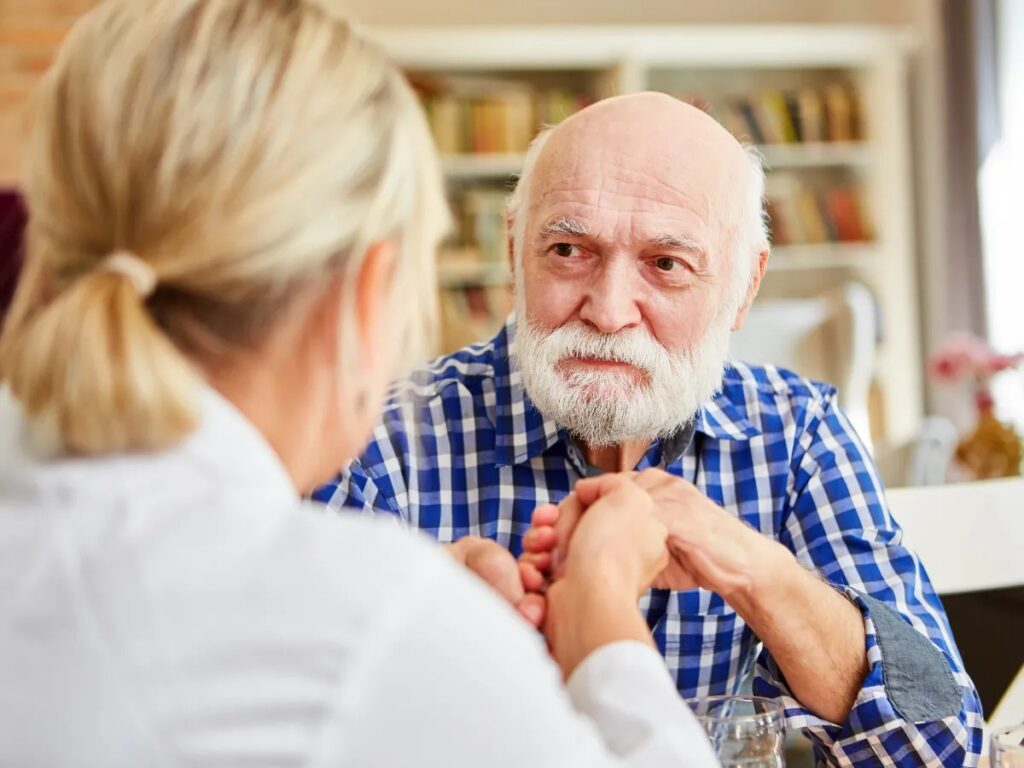
Social connection shapes quality of life at every age, and it matters even more during the senior years. Many older adults watch their social circles shrink after retirement, a move, or the passing of close friends. Assisted living communities answer this gap by creating lively social settings where friendships grow organically. Through common spaces, group programs, and everyday interactions, these environments help residents rediscover companionship and form meaningful bonds during their later years.
The Social Challenges Seniors Face
Research from the National Institute on Aging shows that roughly one in three adults over 65 experiences loneliness. Physical limitations, hearing loss, and reduced mobility often make it harder for older adults living alone to keep up with friends. Family members frequently live states away, visits grow rare, and many neighborhoods lack age-appropriate social options.
Isolation brings real health consequences. Prolonged loneliness has been tied to higher rates of depression, cognitive decline, heart disease, and even earlier death. Given these risks, families increasingly look for places where aging parents can thrive socially. Options like assisted living in Casa Grande offer structured settings where residents can maintain their independence while enjoying regular companionship, addressing the root causes of isolation through thoughtful community design.
Shared Spaces That Spark Connection
Thoughtful architecture plays a quiet yet powerful role in how friendships take shape. Common areas such as dining halls, reading lounges, garden patios, and game rooms invite residents to gather without pressure. These settings encourage casual encounters that often turn into lasting relationships.
Dining Together
Meals are among the strongest social anchors in senior communities. Shared tables create daily chances for conversation, storytelling, and laughter. Residents find common ground, swap recipes, or compare notes on grandchildren, turning ordinary meals into cherished routines.
Activity Rooms and Lounges
Comfortable seating areas stocked with books, puzzles, and television draw people into spontaneous interaction. Someone flipping through a novel might start chatting with a neighbor tackling a crossword. Small moments like these quietly weave the social fabric of a community.
Structured Programs That Encourage Bonding
Beyond common spaces, organized activities give residents reasons to engage with peers who share similar interests. Staff members build diverse schedules that match different personalities, hobbies, and energy levels.
Group Fitness and Wellness
Chair yoga, water aerobics, walking clubs, and tai chi classes bring residents together around physical wellbeing. Exercise partners often grow into close friends because steady routines build trust and familiarity. Group workouts also produce shared wins worth celebrating.
Creative and Cultural Activities
Art classes, music circles, book clubs, and craft workshops let seniors express themselves while bonding with like-minded peers. Creative pursuits ease stress and invite collaboration, two ingredients that strengthen friendships over time.
Celebrations and Outings
Holiday parties, birthday gatherings, movie nights, and group trips to local attractions create memorable experiences residents can talk about for weeks. Shared outings often spark conversation long after the event has ended.
Peer Support and Emotional Understanding
Fellow residents offer something family members sometimes cannot, empathy rooted in a shared life stage. Peers relate to the physical changes, emotional adjustments, and historical touchstones that define a senior’s perspective. Conversations flow easily because reference points overlap.
Many communities also encourage mentor relationships, in which long-term residents welcome new arrivals and help them settle in. Such gestures ease the anxiety of transition and spark friendships from day one. Grief support groups and faith-based gatherings add another layer of emotional bonding by offering safe places to share feelings.
Staff Involvement in Fostering Community
Caregivers and activity coordinators play active roles in fostering friendships. Trained staff learn each resident’s interests, background, and personality, then quietly introduce compatible neighbors. Small gestures, like seating two music lovers at the same dinner table, can plant seeds for lifelong companionship.
Regular community meetings also give residents a voice in shaping programs. Participation builds ownership and pride, which translates into stronger peer relationships across the building.
Technology That Keeps Seniors Connected
Modern assisted living communities welcome video calling, social media classes, and digital photo sharing to help residents stay close with family while building friendships indoors. Technology workshops create learning environments where residents help each other learn new skills, adding another layer of cooperative bonding.
Conclusion
Friendship does not fade with age; it simply needs the right setting to grow. Assisted living communities provide that setting through welcoming spaces, engaging programs, empathetic peers, and attentive staff. Seniors who once felt isolated often find themselves surrounded by companions who share their stories and brighten their days. For families weighing options, choosing a place that values social well-being offers a gift that reaches far beyond care alone.