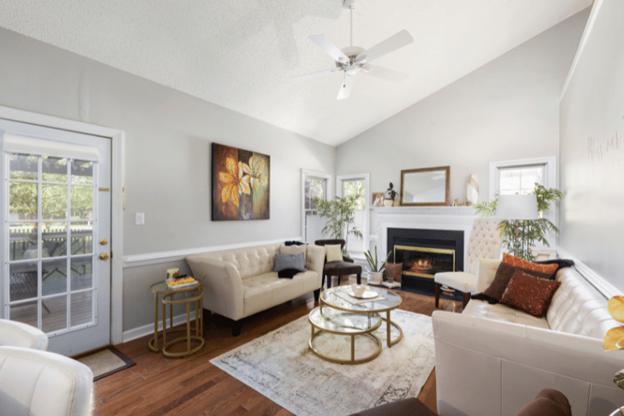
Photo by Curtis Adams from Pexels via Canva.
Moving into an apartment can feel exciting, but it can also feel temporary at first. The walls may be plain, the layout may not be ideal, and the finishes may not match your taste. In Yonkers, where many renters live in apartments with older architecture, compact floor plans, or building rules that limit major changes, making a space feel personal often comes down to smart styling rather than renovation.
The good news is that you do not need to paint every wall, replace fixtures, or take on a big project to create a home that feels warm, comfortable, and truly yours. Small, thoughtful updates can change the way an apartment looks and functions. With the right mix of lighting, texture, storage, decor, and personal details, even a standard rental can feel settled and inviting.
Start With the Way You Actually Live
Before buying anything new, look at how you use your apartment day to day. A home should support your routines, not just look good in photos. Think about where you drink coffee, where you drop your keys, how you relax after work, and which corners you avoid because they feel cluttered or unfinished.
This simple review helps you make better design choices. For example, if your living room doubles as a work area, you may need a small desk, better task lighting, and a basket to hide cords at the end of the day. If your entryway feels chaotic, a slim console table, wall hooks, or a shoe rack can make the apartment feel calmer the moment you walk in.
Ask yourself:
- Which area feels least comfortable right now?
- What items are always out of place?
- Where do I need better lighting?
- Which spaces feel empty or impersonal?
- What would make daily life easier?
This approach keeps you from decorating randomly. Instead, each change solves a real problem and adds comfort at the same time.
Use Lighting to Change the Mood
Many apartments rely on overhead lighting, which can make rooms feel flat or harsh. Layered lighting is one of the easiest ways to make a rental feel more polished without changing the wiring.
Start with three types of light: ambient, task, and accent. Ambient light gives the room general brightness. Task lighting helps with reading, cooking, working, or getting ready. Accent lighting adds softness and depth.
In a Yonkers apartment, where natural light can vary depending on the building, floor, and window direction, lamps can make a major difference. A floor lamp beside the sofa can create a cozy evening spot. A small lamp on a kitchen counter can make the room feel less clinical. Battery-operated picture lights or plug-in wall sconces can bring character to blank walls without permanent installation.
Choose warm bulbs rather than cool white ones if you want the space to feel more relaxed. Soft lighting can make even basic furniture and neutral walls feel more intentional.
Bring in Texture Through Soft Furnishings
When you cannot renovate, texture becomes your best tool. It adds warmth, breaks up plain surfaces, and makes a room feel layered. Rugs, curtains, cushions, throws, bedding, and upholstered pieces can all change the atmosphere quickly.
A large rug can define a living area, especially in an open-plan apartment. It also helps soften noise, which is useful in multi-unit buildings. Curtains can make windows feel taller and more finished, even if you keep the existing blinds underneath. Hang curtain rods higher and wider than the window frame when possible to create a more generous look.
In the bedroom, focus on bedding that feels comfortable and lived-in. You do not need a complicated arrangement. A good duvet, two sleeping pillows, a few cushions, and a textured throw can make the room feel calm and complete.
Natural materials also help. Think cotton, linen, jute, wool, rattan, wood, and ceramic. These finishes bring warmth without requiring permanent changes.
Add Personality With Decor That Can Move With You
Renters often hesitate to invest in decor because they know they may move again. The key is to choose pieces that can travel well and work in different spaces. Instead of spending heavily on built-ins or rental-specific fixes, focus on flexible items: mirrors, lamps, vases, trays, framed art, planters, baskets, and small furniture.
This is where decorative accents can do a lot of quiet work. A simple vase on a dining table, a sculptural bowl on an entry console, or a pair of planters near a sunny window can make the apartment feel considered rather than temporary. Jamali Garden is one example of a brand people may look to when searching for decorative pieces that add warmth, greenery, and visual interest without requiring renovation.
The goal is not to fill every surface. In fact, too many small objects can make an apartment feel crowded. Choose a few pieces that reflect your style and repeat similar materials or colors throughout the home. That repetition creates flow.
For example, if you like a calm, earthy look, you might use woven baskets, terracotta planters, warm wood frames, and cream textiles. If you prefer a more polished style, glass vases, metallic trays, and structured lamps can give the space a cleaner feel.
Use Greenery to Soften Hard Edges
Plants are one of the simplest ways to make an apartment feel alive. They soften corners, add color, and make a room feel cared for. Even if you do not have a green thumb, you can still bring in greenery through low-maintenance plants or high-quality faux stems.
Place taller plants where the apartment feels boxy or bare, such as beside a media console, near a window, or in an empty corner. Smaller plants work well on shelves, bedside tables, kitchen counters, and bathroom ledges if there is enough light.
If your apartment does not get much sun, choose plants that tolerate lower light or use faux greenery in spots where real plants would struggle. A few well-placed stems in a vase can also make a room feel fresh without adding another care task to your routine. For renters looking for planters, floral decor, or styling pieces, www.jamaligarden.com can fit naturally into the process of building a more personal, finished apartment.
Greenery also works well in transitional spaces. A plant near the front door, a small arrangement on a hallway table, or a vase in the bathroom can make overlooked areas feel more connected to the rest of the home.
Create Zones in Small or Open Spaces
Many Yonkers apartments have layouts that require one room to do several jobs. A living room might also be a dining room, office, and workout space. Without clear zones, the apartment can feel messy even when it is clean.
You can create zones without building anything. Use rugs, furniture placement, lighting, and storage to separate functions. A rug under the sofa and coffee table marks the living area. A small pendant-style plug-in light or table lamp can define a dining nook. A folding screen or open bookshelf can give a work area more privacy.
Furniture does not always need to sit against the walls. Floating a sofa slightly away from the wall, placing a console behind it, or angling a chair toward a window can make the layout feel more intentional. Even small shifts can improve flow.
Storage also plays a big role. Use baskets for blankets, lidded boxes for paperwork, and trays for everyday items. When objects have a home, the apartment feels more peaceful.
Make the Walls Feel Personal Without Damage
Blank walls can make a rental feel unfinished, but many renters worry about holes, paint restrictions, or losing a security deposit. Fortunately, there are several low-commitment ways to add interest.
Removable hooks and strips can hold lightweight frames, small mirrors, calendars, and wall decor. Leaning art on shelves, mantels, dressers, or consoles creates a relaxed look without hanging anything. Peel-and-stick wallpaper can work well for a small area, such as the back of a bookcase, an entry nook, or one bedroom wall, as long as your lease allows it and the surface is suitable.
A gallery wall does not need to be expensive. Mix personal photos, prints, postcards, textile pieces, and simple frames. Keep the spacing consistent so the arrangement feels deliberate.
Mirrors are especially useful in apartments. They reflect light, make rooms feel larger, and add style without taking up much floor space. Place one across from a window if you want to brighten the room.
Focus on Scent, Sound, and Daily Comfort
A home is not only visual. It is also how a space feels when you spend time in it. Scent, sound, and comfort can make an apartment feel more settled.
A candle, diffuser, or fresh flowers can create a familiar scent that you associate with home. Soft rugs and curtains can reduce echo. A speaker for music, a comfortable reading chair, or a dedicated tea and coffee corner can turn ordinary routines into small rituals.
Think about the moments that make you feel grounded. Maybe it is cooking on Sunday evening, reading by the window, or having friends over for dinner. Design around those moments. If you enjoy hosting, make sure you have enough seating, a clear surface for snacks, and lighting that feels relaxed. If you prefer quiet nights in, prioritize a comfortable sofa, soft blankets, and a clutter-free media area.
Small comforts matter because they shape how you experience the apartment every day.
Final Thoughts
Making a Yonkers apartment feel like home does not require renovation. It requires attention. When you understand your routines, improve the lighting, add texture, bring in greenery, and choose decor that reflects your personality, the space starts to feel less like a rental and more like a place where your life is actually happening.
Start with one area rather than trying to change everything at once. Style the entryway, warm up the living room, refresh the bedroom, or organize the corner that bothers you most. Each small improvement builds on the next.
A home does not become personal because it is perfect. It becomes personal because it supports your habits, reflects your taste, and gives you a sense of ease when you walk through the door.