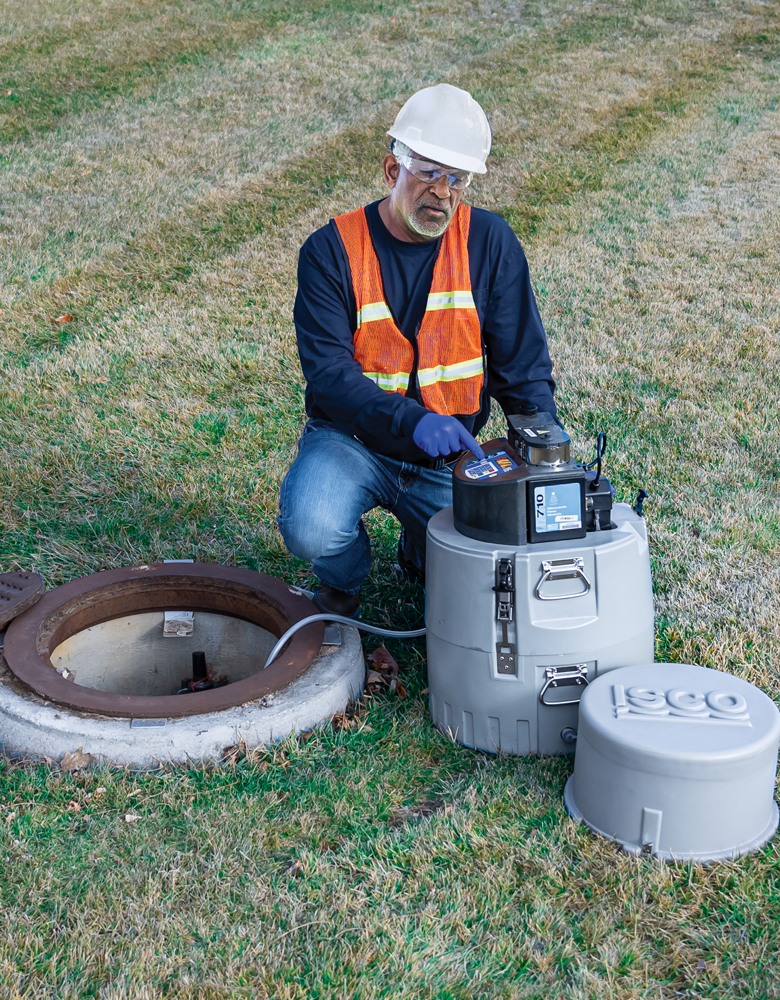
Wastewater monitoring plays a critical role in protecting public health, maintaining regulatory compliance, and improving industrial and municipal water management. Whether it’s for environmental testing, stormwater monitoring, industrial discharge analysis, or wastewater treatment operations, portable wastewater samplers have become essential tools for field professionals.
However, not all samplers are built the same. Choosing the wrong unit can lead to inaccurate data, equipment failure, contamination risks, and expensive downtime. That’s why organizations must focus on the features that truly matter before investing in a portable sampling system.
Here are 10 features you simply can’t compromise on when selecting a portable wastewater sampler.
1. Strong Manufacturer Support and Industry Reputation
Even the best equipment occasionally requires maintenance, replacement parts, or technical support. Choosing a trusted manufacturer with strong customer service can save significant time and operational costs.
One of the most recognized names in the industry is Teledyne ISCO, known for its rugged and reliable portable sampling systems used in municipal, industrial, and environmental monitoring applications. Their range of portable water and wastewater samplers is widely used for accurate field sampling, advanced flow monitoring, and long-term wastewater surveillance solutions. Teledyne ISCO emphasizes durability, precise sampling performance, and flexible deployment options for demanding wastewater environments.
In addition to wastewater sampling systems, many organizations also rely on complementary environmental and industrial services to improve monitoring efficiency and operational performance. These can include:
- Remote environmental data management services
- Industrial flow monitoring solutions
- Water quality analytics platforms
- Preventive equipment maintenance programs
A professional Pipeline Cleaning Company plays a key role in maintaining system efficiency by preventing buildup, blockages, and operational disruptions in wastewater and industrial pipeline networks.
Combining reliable hardware with supportive services helps facilities maintain compliance while improving long-term operational efficiency.
2. Rugged Durability for Harsh Environments
Portable wastewater samplers are often deployed in difficult field conditions, including underground manholes, storm drains, remote industrial locations, and extreme weather environments.
A dependable unit must feature rugged construction, weather-resistant housing, and strong internal components capable of handling moisture, debris, and temperature fluctuations. Durable samplers reduce maintenance costs and improve long-term reliability in demanding applications. Industry professionals consistently prioritize ruggedness when evaluating wastewater sampling equipment.
3. Portable and Lightweight Design
Mobility matters. Field technicians often transport equipment across treatment plants, construction zones, or remote outdoor sites. Bulky equipment slows operations and increases safety risks.
A well-designed portable sampler should be compact enough to fit through confined spaces while remaining easy to carry and install. Lightweight systems improve efficiency during deployment and retrieval, especially for teams conducting multiple sampling tasks daily.
Compact models are especially valuable for smaller access points and urban infrastructure inspections.
4. Flexible Sampling Modes
Different projects require different sampling strategies. Some operations require composite sampling over time, while others need flow-based or event-triggered collection.
An ideal wastewater sampler should support:
- Time-paced sampling
- Flow-paced sampling
- Sequential bottle collection
- Grab sampling
- Composite sampling
This flexibility allows operators to adapt quickly to changing monitoring requirements without replacing equipment.
5. Advanced Refrigeration Capabilities
Sample preservation is critical for maintaining data integrity. Many wastewater parameters can degrade rapidly if temperatures rise during transport or storage.
Advanced portable refrigerated samplers eliminate the need for constant ice replacement and help maintain compliance standards. Active cooling systems are particularly useful for long-duration monitoring projects and remote locations.
Some wastewater professionals specifically recommend refrigerated models because many laboratory samples require preservation below specific temperature thresholds.
6. Long Battery Life and Power Flexibility
Field sampling frequently occurs in locations without easy access to electrical infrastructure. Portable wastewater samplers must therefore provide dependable battery performance and multiple power options.
The best systems support:
- Rechargeable battery operation
- AC power input
- DC power compatibility
- Solar integration in remote deployments
Reliable power management ensures uninterrupted operation during extended monitoring periods.
7. Easy Programming and User-Friendly Controls
Field technicians need systems that are fast and simple to configure. Complex menus and confusing interfaces increase training time and raise the likelihood of setup errors.
Modern samplers should include intuitive controls, digital displays, and programmable sampling schedules. User-friendly systems improve efficiency, especially when multiple operators handle the same equipment.
Professionals in wastewater operations often highlight ease of programming as a deciding factor when selecting equipment brands.
8. Minimal Cross-Contamination Risk
Cross-contamination can compromise laboratory analysis and create major compliance issues. Quality samplers should include features designed to reduce contamination between samples.
Important contamination-control features include:
- Automatic line rinsing
- Non-contact liquid sensing
- Easy-clean tubing systems
- Replaceable pump tubing
- Secure bottle configurations
Many advanced systems now use intelligent sensing technologies to improve cleaning efficiency and sample integrity.
9. Data Logging and Remote Communication
Today’s wastewater operations increasingly rely on automation and remote monitoring. Portable samplers with built-in communication features allow operators to monitor activity without constant site visits.
Key capabilities may include:
- Remote diagnostics
- Wireless data transfer
- Real-time alerts
- Integrated flow monitoring
- Cloud-based reporting
These features reduce labor costs while improving operational visibility across multiple monitoring sites.
10. Reliable Sample Accuracy
The entire purpose of wastewater sampling is to collect representative data. If the sampler cannot deliver accurate and repeatable sample volumes, the collected data becomes unreliable.
Modern portable samplers should provide precise flow-paced and time-paced sampling. High-quality systems also include intelligent liquid sensing technology to maintain consistency even in changing environmental conditions. Accurate samples are essential for laboratories, municipalities, and industrial facilities that depend on compliance reporting and operational analysis.
Why Feature Selection Matters More Than Price
Many organizations focus heavily on upfront equipment costs when purchasing portable samplers. However, low-cost systems often create expensive long-term problems through inaccurate data, higher maintenance requirements, equipment downtime, and failed compliance reporting.
A reliable portable wastewater sampler is an investment in operational consistency, regulatory confidence, and environmental responsibility. Features such as rugged construction, refrigeration, flexible programming, and contamination control directly affect the quality of the collected data and the success of wastewater management programs.
Final Thoughts
Portable wastewater samplers are essential tools for modern environmental monitoring and wastewater management. But not all systems deliver the reliability and performance needed for real-world field conditions.
When evaluating equipment, organizations should prioritize the features that directly impact sampling accuracy, operational durability, ease of use, and long-term efficiency. From advanced refrigeration and flexible programming to rugged portability and remote communication, these capabilities can dramatically improve both compliance and operational outcomes.
Choosing the right wastewater sampler today can help facilities avoid costly mistakes tomorrow while supporting safer and more sustainable water management practices.