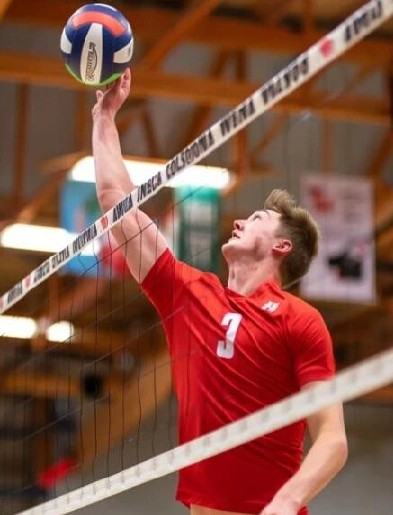
To most casual observers, a sports jersey is just another piece of clothing: fabric sewn together with colors and logos. A more holistic approach finds modern sports apparel to in fact be an exceptionally well-coordinated process that incorporates engineering, material science, digital design and industrial manufacturing.
Every step of production from initial design concept to when an athlete takes the field is vital to how apparel resists real-world performance. In doing so you also realise how sportswear has become a whole new category of product; a dedicated piece of functional yet identity-led apparel.
Concept and Design Phase
The process behind custom sports apparel starts before any fabric is cut. It begins with the definition of the garment’s purpose.
Understanding Performance Requirements
Apparel for different sports requires a range of physical attributes. Also, a football uniform needs to be able to take some hits, but in a soccer jersey it is more important airflow and freedom. Designers must consider:
- Range of motion
- Environmental conditions (heat, humidity, cold)
- Physical stress points
- Athlete comfort during prolonged activity
All subsequent choices are governed by these needs.
Digital Design and Customization
Largely Modern sportswear design is a digital driven aspect. Manufacturers create detailed mockups using high-end design software, which includes:
- Team colors and branding
- Logos, typography, and numbering systems
- Panel layouts and seam placements
Digital previews make them see the final product even before production starts for teams or organizations. For example, providers like USportsGear allow users to take advantage of online interfaces for customized elements such as colors, font layouts and graphics—but the way that technology has transformed the design-to-production pipeline is equally important.
Textile Selection: The Fabric-Focused Science
When finalizing the design, attention turns to one of the most important parts: FIBER
Performance Fabrics Explained
In contrast to regular apparel, sports uniforms are often made of synthetic materials designed for performance. Common choices include:
- Polyester micro-mesh for breathability
- Elastane blends for flexibility
- Sweat and moisture-wicking fabrics that draw sweat away from the skin
These include materials that are intended to help maintain body temperature and comfort while performing physical work.
Balancing Durability and Comfort
Find a balance between modes of employment by the manufacturer and comfort. Clothes become washed, stretched and sometimes touched more than men. So, all these actions defuse quality. It needs to walk that fine line of being effective without adding weight or restriction.
Sustainability Considerations
Sustainability is one of the hot topics these days. Many manufacturers are exploring:
- Recycled polyester fibers
- Dyeing processes using less water
- Energy-efficient production systems
This is part of a wider movement to environmentally conscious manufacturing.
Manufacturing Processes
After selecting the materials, the production process shifts to the factory area, where accuracy and efficiency play a key role.
Fabric Production
It all starts with making fabric, usually through knitting or weaving. For sportswear particularly, knitted fabrics are often preferred because of their inherent flexibility and stretching ability.
Fabrics are dyed and treated after production to have the appropriate color and performance characteristics.
Cutting and Pattern Making
Automated cutting machines are then used to cut the fabric accurately and with little waste once it is ready. Patterns are arranged very wisely in order to utilize the material effectively as large parties have production.
Printing and Customization Techniques
Customisation represents one of the 21st century hallmarks of sports apparel. The application of designs employs a few techniques such as;
- Sublimation printing
- Screen printing
- Heat transfer
Among these sublimations is one of the optimum methods chosen. This means the design becomes permanently embedded in the material by dyeing directly into the fabric with heat. This leaves behind graphics that will not crack or peel with time, and stay more colourful even after numerous washes.
Assembly and Quality Control
The garment parts are assembled after printing.
Stitching and Construction
Depending on the object here, different types of seams are used. For example:
Flatlock seams cause less friction against the skin.
Durability enhanced with reinforced stitching in the areas most susceptible to high levels of stress
Details like these show proper attention to comfort and quality.
Quality Assurance
All pieces are subjected to quality checks before leaving the factory. These may include:
- Visual inspections for defects
- Testing for colorfastness
- Stretch and durability assessments
Quality assurance is vital to guarantee that there is no disparity, particularly in mass production.
Logistics: Producer to Product
At this point, the process is turning its attention away from manufacturing and toward distribution.
Packaging and Distribution
On-demand or bulk, sports apparel can be produced as per the requirements of the organization. This calls for efficient logistics systems to manage the:
- Inventory
- Packaging
- Shipping timelines
Lead Times and Scalability
When it comes to custom apparel, those deadlines get tighterDrafting a comprehensive design briefUnique to your brand (or individual’s) needsNeed comparison between multiple productsOutline the product requirementsThere was an error logging into the system.requests. Manufacturers must ensure speed while maintaining their quality and scalability for larger orders.
The Final Product in Action
The ultimate test of any athletic wear is done on the ground.
Performance in Real Conditions
Well-designed apparel contributes to:
- Improved comfort
- Reduced fatigue
- Enhanced mobility
Even small details—like seam placement or fabric weight—can affect an athlete.
The Feedback Loop
Many times feedback from athletes and teams gets folded into future designs after it was used. It is through this iterative process that design and manufacturing methods continue to evolve and improve.
Industry Trends Shaping the Future
The sports apparel sector is developing, along with the many technological and manufacturing improvements put into practice.
Key trends include:
- Automation in garment production
- Performance Indicators with Smart Textiles
- Mass customization such that unique designs can be scaled
- Sustainable production processes that have less impact on the environment
These innovations are changing the way we design, produce and wear sportswear.
Final Thoughts
It is much more than a visual identity, it speaks about custom sports apparel. It is the result of a complex system that combines design, materials science, and industrial manufacture into one working product.
Field performance is part of every step from the digital concept to launched garment. And the niche with an emphasis on tech has only become narrower as technology progresses, further and further reinforcing that what an athlete wears is just as important to whether they can perform or not, than how they train.