That car sitting in your garage didn’t come easy. Maybe you saved for years. Maybe you spent countless weekends tracking down rare parts. Or perhaps you finally bought something you’d been eyeing since you were a kid. Whatever the story, it matters to you. So when moving day comes, and you need to ship it somewhere far away, trusting just anyone feels risky. That’s exactly why covered car shipping makes sense for people who care deeply about their vehicles.
1. Why Open Transport Falls Short
Open carriers are fine for everyday cars with a few scratches already. But if your car means something more, it’s a different call. Highways throw rocks, dust, rain, and even bird droppings your way. One small hit can ruin the finish. Sure, regular cars can handle it, but prized ones deserve better. Enclosed trailers add that extra protection, keeping your car safe from all the mess the road can throw at it.
2. Which Cars Really Need This Kind of Care
Let’s be real. Not every car requires enclosed shipping. But certain vehicles absolutely do. Old classics you’ve restored piece by piece belong in this group. That original paint job from decades ago can’t be recreated. Once it’s damaged, your only choice is repainting. And repainted classics lose value fast. Expensive sports cars and luxury rides need protection, too. A rock chip on a regular sedan costs maybe fifty bucks to fix. That same chip on an exotic? You’re suddenly dealing with specialty paint shops and bills that make you wince. Anyone looking for a motorcycle shipping service faces the same issues. Bikes sit completely exposed on open trailers. No protection whatsoever. Premium motorcycles deserve better than hoping nothing hits them during a thousand-mile trip.
3. What Actually Happens During Enclosed Transport
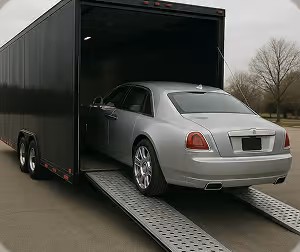
The whole process seems mysterious until someone explains it simply. Enclosed trailers carry fewer vehicles than open ones. Usually somewhere between two and six cars total. Fewer cars mean more space and more attention paid to each one. Your vehicle won’t get packed tight against a bunch of others. Getting your car onto the trailer happens gently. Most professional outfits use lift gates that raise vehicles smoothly onto the trailer floor. No driving up steep ramps that scrape low bumpers or stress your suspension. Some trailers even control the temperature inside. Sounds like overkill until you think about it. Extreme heat cracks leather over long trips. Freezing cold drains batteries and affects tire rubber. Keeping things moderate inside protects your car from weather extremes outside.
4. How to Find Someone You Can Actually Trust
Choosing the right transport company makes a big difference. Some sound great but cause trouble later. Always ask about insurance first; trustworthy companies are happy to provide proof. Check their equipment too; clean trailers and sturdy straps show care. Worn-out gear is a warning sign. Read customer reviews and notice patterns, not just one complaint. Finally, talk to them directly. A good company answers questions patiently and never pressures you into making a quick decision.
5. Getting Your Car Ready Before Pickup
A little preparation on your end makes everything smoother. Wash your car beforehand. Clean surfaces show any existing scratches or dents clearly. This matters for documenting your car’s condition before shipping. Take your own photos too from every angle. Having your own records never hurts. Take everything personal out of the car. Insurance covers the vehicle, not stuff you leave inside. Plus, loose items roll around during transport and can scratch your interior. Keep gas around a quarter tank. Enough for loading and unloading movements, but not so much that it adds unnecessary weight. Check your battery charge and tire pressure before pickup day. Dead batteries and flat tires cause delays nobody wants.
Your special car deserves treatment that matches how much it means to you. Enclosed transport costs more than open shipping. Nobody argues that point. But knowing your vehicle arrives in the same condition it left brings peace of mind that’s hard to put a price on. Some things just shouldn’t be left to chance.
Ready to ship your vehicle with people who understand what it means to you? Call High End Transport at 305-816-2255 for honest answers and real quotes.
FAQs
1: How far ahead should I book enclosed car transport?
Try booking at least two to three weeks before you need pickup. Last-minute requests limit your choices and often cost more. Busy times like summer fill up fast, so planning ahead works in your favor.
2: What kinds of vehicles benefit most from enclosed shipping? Classic cars, luxury vehicles, exotic sports cars, custom builds, and show cars gain the most from enclosed transport. If damage to your vehicle would seriously upset you or cost big money to repair, enclosed shipping makes total sense.