
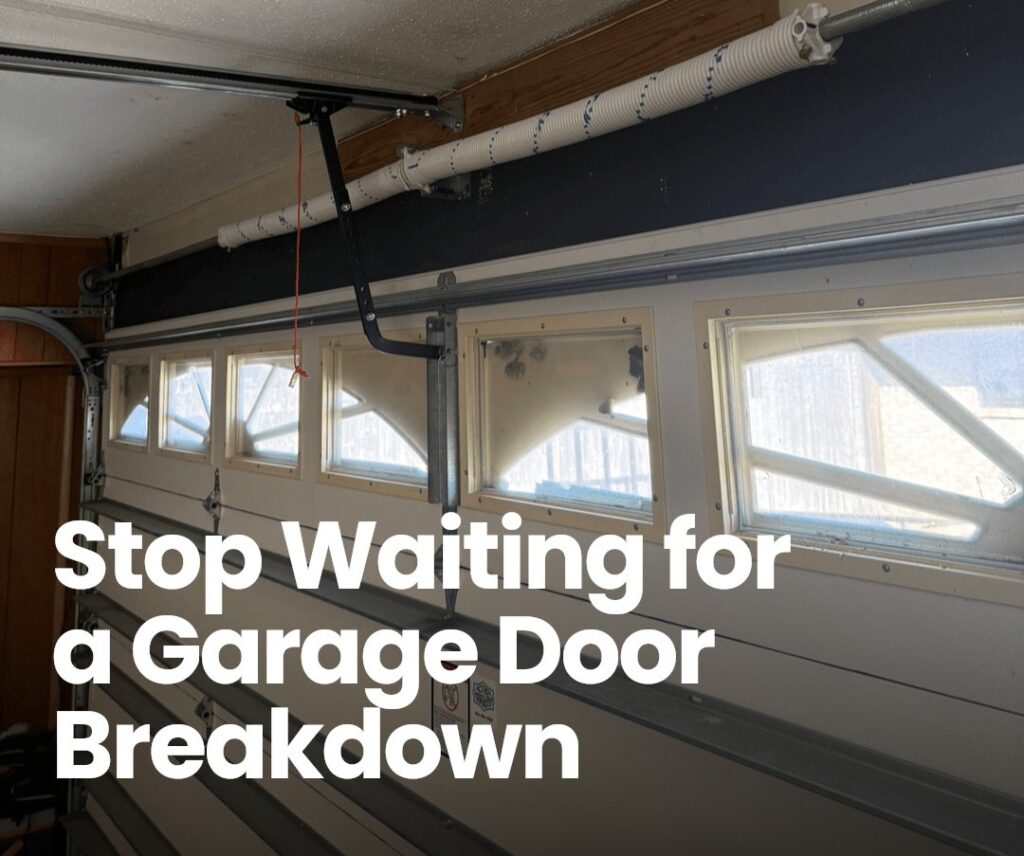
Garage doors are not simple panels going up and down. They operate like a system that demands timing, balance, and precision at every cycle. One weak link changes everything. Small signs appear early, but most get ignored until failure shows up at the wrong moment. That approach does not hold up. Controlled performance starts with attention at the right moment. This is where garage door repair in Jacksonville becomes part of a smarter maintenance approach, helping keep the system stable while stopping minor faults from growing into more serious mechanical damage that disrupts daily access.
1. Sound Is Data, Not Noise
A garage door does not make random sounds. Every click, grind, or scrape carries a signal. A clean system produces a steady rhythm. The moment that rhythm breaks, something inside is under pressure. Rollers may have lost form. Tracks may be dry or slightly misaligned. Hardware may have shifted after repeated use. Ignoring this does not make it disappear. It multiplies stress across connected parts. Treat sound like feedback. Early correction keeps internal parts aligned and prevents deeper wear that builds quietly over time.
2. Speed Drops Mean Resistance Is Rising
A garage door should respond without hesitation. Delay is not a minor inconvenience; it is a warning. When movement slows, internal resistance increases. Springs may be losing tension. Tracks may be creating drag. The opener may be struggling to manage the load. This is where garage door opener repair in Jacksonville fits into a smarter plan. A weak opener does not fail instantly. It transfers strain into cables, hinges, and tracks. That is how one issue becomes multiple failures. Correcting speed early keeps movement controlled and stops stress from spreading across the system.
3. Balance Is Non-Negotiable
A balanced door operates with control. An unbalanced door fights against itself. If one side drops faster or lifting feels heavier than usual, internal coordination is already off track. Springs and cables are designed to share the load. When that balance shifts, pressure increases on every moving part. Hinges carry more weight than they should. Rollers face uneven force. Tracks handle motion they were not meant to absorb. Balance is not a detail. It is a core function. Keeping it in check protects the full system and keeps the operation steady under daily use.
4. Tracks Decide How Motion Behaves
Tracks are not passive components. They define how a garage door moves from start to finish. A slight shift in alignment changes movement instantly. That is when jerks, pauses, and uneven travel begin. Debris adds friction. Minor bends create resistance. Misalignment forces rollers into positions that increase wear. None of this fixes itself over time. Clean, straight tracks keep motion controlled. They reduce stress across the system and allow every part to perform within its intended range without unnecessary pressure.
5. Delays in Response Signal System Weakness
Garage doors today depend on sensors and controlled signals. When response time drops or becomes inconsistent, internal coordination is weakening. This is not about convenience; it is about system stability. Sensors guide safe movement. A delay affects timing and positioning. That leads to improper closing cycles or sudden stops. Electrical strain builds quietly until performance drops further. Regular checks keep response sharp. A system that reacts on time maintains safe and stable operation without interruption.
Garage doors operate best when every part stays aligned and responsive. Small signals carry clear meaning and should not be ignored. Acting early keeps systems stable and prevents internal strain from building into failure. A focused maintenance approach supports controlled motion and balanced performance. When each component works in sync, daily operation stays simple and dependable. Consistent attention reduces wear, avoids sudden breakdowns, and keeps access steady without unnecessary disruption over time.
Action Garage Door Services of Florida delivers focused solutions that keep garage doors performing with precision every day. Call 999-999-9999 now and take control of system performance before minor issues grow into major disruptions that affect access and safety.
FAQs
1. How often should garage door repair in Jacksonville be scheduled?
A yearly inspection helps catch early signs. In Jacksonville, routine service keeps systems balanced and prevents internal stress from building into larger mechanical problems over time.
2. What leads to sudden garage door failure?
Common causes include sensor faults, opener weakness, or electrical issues. Addressing these areas restores proper function and keeps the operation steady without unexpected interruptions.