
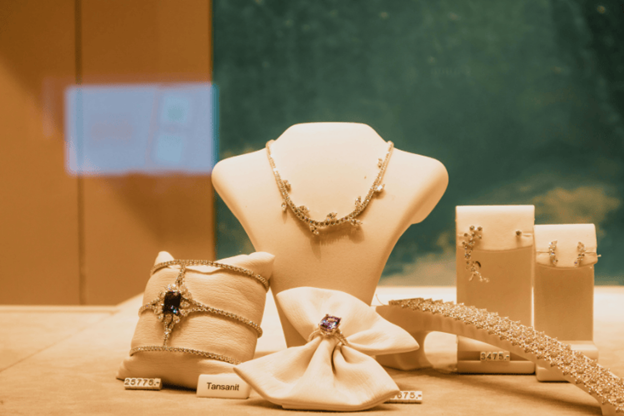
Image by Pham Ngoc Anh on Canva
There was a time when fine jewelry lived almost exclusively in velvet boxes, brought out only for weddings, anniversaries, or black-tie events. That era is ending quickly. Today, a delicate gold bracelet pairs just as naturally with a white linen shirt and jeans as it does with an evening gown. Fine jewelry has found its way into the rhythm of everyday life.
This transition is about personal expression, intentional dressing, and the quiet pleasure of wearing something that means something to you. Here’s how to embrace fine jewelry as a genuine part of your daily wardrobe.
Why Everyday Jewelry Feels Different Now
Fashion has moved steadily toward a more personal, less occasion-driven approach. Capsule wardrobes, quiet luxury, and the “buy less, buy better” mindset have all pushed people to reconsider what they wear and why. Fine jewelry fits perfectly into this philosophy.
Unlike fast-fashion accessories that lose their appeal after a season, a well-made gold ring or a simple diamond pendant retains its beauty and value over time. When you invest in a piece you genuinely love, wearing it every day starts to feel less like indulgence and more like good sense.
There’s also something deeply personal about jewelry in a way that clothing rarely achieves. A necklace can carry a name, a date, a symbol; something that belongs entirely to you. That intimacy makes it worth wearing.
Building a Fine Jewelry Wardrobe from the Ground Up
If you’re new to wearing fine jewelry regularly, the most practical starting point is simplicity. A few well-chosen staples will take you further than a drawer full of pieces you can’t figure out how to style.
Start with metals that suit your skin tone and lifestyle. Yellow gold has seen a strong resurgence and tends to feel warm and approachable. White gold and platinum read cleaner and more minimal. Rose gold sits somewhere in between; soft, modern, and flattering on a wide range of complexions.
From there, think in terms of layers and stacking. A single thin bracelet is lovely. Two or three stacked together create something that feels effortlessly curated. The same logic applies to rings and necklaces.
The Power of Personalization
One of the biggest drivers behind everyday fine jewelry is personalization. Monograms, birthstones, initials, coordinates; these details transform a beautiful object into something irreplaceable. Personalized pieces also make styling decisions easier because they carry meaning that transcends trends.
Brands such as Zoe Lev have built their identities around this idea, creating fine jewelry that’s personal to the wearer. A personalized bracelet, for instance, works as a standalone statement or anchors a layered stack, shifting effortlessly between casual and dressed-up contexts.
Personalization also makes fine jewelry an exceptional gift that feels more intentional.
Dressing Around Your Jewelry
One practical change that helps when incorporating fine jewelry into daily dressing is to let the jewelry lead. Choose your pieces first, then build the outfit around them. This approach, often used by stylists, treats jewelry as a foundation for your outfits.
Delicate gold pieces tend to shine against neutral tones such as ivory, camel, white, and soft grey. Bold colored stones pop against a monochromatic dressing. Stacked bracelets look striking against clean, simple sleeves, and a fitted turtleneck or a classic button-down works beautifully.
Layered necklaces at varying lengths deserve particular attention at the neckline. A V-neck or scoop neck creates the ideal frame. If you’re wearing a collared shirt, shorter pendants or choker-length chains work best to avoid visual clutter.
Caring for Fine Jewelry You Wear Daily
Wearing fine jewelry every day requires a bit of mindfulness. The good news is that with simple habits, most fine pieces hold up remarkably well to regular wear.
Remove jewelry before swimming, showering with harsh soaps, or applying lotions and perfumes directly to the skin where pieces rest. Store pieces individually to prevent scratching. For this, small pouches or a divided jewelry tray work well. And every few months, give pieces a gentle clean with warm water and a soft cloth to restore their brightness.
Gold is durable, but very soft metals benefit from occasional professional polishing. Diamonds and sapphires are hard stones that withstand daily wear and tear well. Pearls and opals, by contrast, are more sensitive and better suited to occasional wear rather than everyday use.
Jewelry as Self-Expression, Not Status
Perhaps the most meaningful transition in how people relate to fine jewelry today is moving away from the status signal it once represented. While quality and craftsmanship still matter, the conversation has become more about what it means.
This is especially true for younger generations of jewelry wearers, who tend to gravitate toward pieces that are personal, lasting, and visually versatile. A simple gold chain layered over a plain white tee can say more about a person’s taste and values than an ostentatious statement piece ever could.
Zoe Lev has captured this well, focusing on refined, wearable designs that feel at home in real life rather than reserved for special occasions.
Fine jewelry that belongs in everyday life isn’t a compromise on its elegance. It’s actually the fullest expression of it. Start with what you love, build slowly, and let your jewelry become a natural part of how you show up each day.