Dealing with pests is something most homeowners face at some point, but the way you handle it makes all the difference. From ants in the kitchen to rodents in the attic, these issues can quickly go from minor annoyances to serious concerns. Taking a proactive approach to pest control helps prevent small problems from turning into costly damage.
Many people rely on temporary fixes, only to see the problem return weeks later. This often happens because the root cause is never fully addressed. Effective pest control goes beyond surface-level treatments and focuses on long-term prevention.
Understanding how pest activity starts and spreads gives you a better chance of stopping it early. With the right strategy and consistent effort, you can maintain a clean, safe, and comfortable living environment throughout the year.
Why Pest Problems Are More Common Than You Think
Pests are always searching for food, water, and shelter, which makes residential properties an ideal target. Even well-maintained homes can attract insects and rodents if small entry points or moisture issues exist. These vulnerabilities are often overlooked until signs of infestation appear.
Seasonal changes also play a role in pest activity. Warmer months tend to bring insects like ants, termites, and mosquitoes, while colder weather drives rodents indoors. This cycle means pest control is not a one-time task but an ongoing responsibility.
Ignoring early warning signs can lead to larger infestations. What starts as a few insects can quickly grow into a widespread problem if left untreated. Staying aware of these patterns helps homeowners respond more effectively.
Common Types of Pests Found in Residential Areas
Different pests require different approaches, which is why identifying the problem is so important. Ants are among the most common household pests and are often attracted to food sources left uncovered. While they may seem harmless, large colonies can be difficult to eliminate.
Rodents such as mice and rats pose more serious risks. They can damage wiring, insulation, and stored items while also spreading disease. Their ability to squeeze through small openings makes them particularly challenging to control.
Other pests like termites, cockroaches, and spiders each present their own set of challenges. Termites, for example, can cause structural damage over time, while cockroaches can contaminate food and surfaces. Recognizing these threats early helps prevent long-term issues.
How Professional Pest Control Makes a Difference
While DIY methods may offer temporary relief, professional services provide a more comprehensive solution. Experts understand pest behavior and know how to target infestations at their source. This leads to more effective and lasting results.
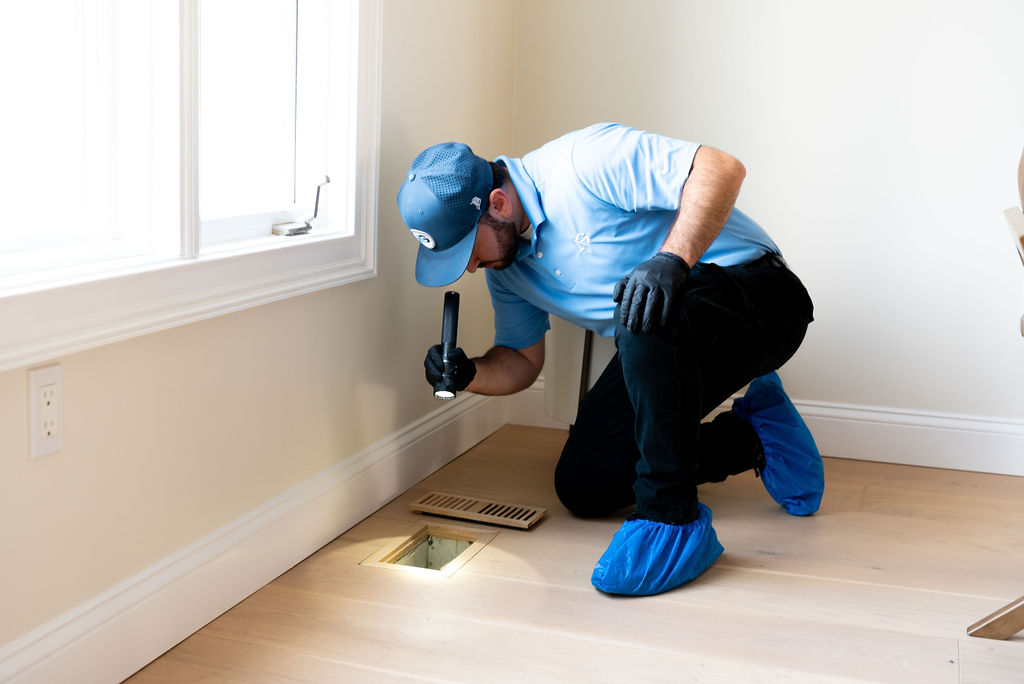
A professional approach often includes inspection, treatment, and prevention strategies. This ensures that not only are current pests eliminated, but future infestations are also less likely. It is a more complete way of managing the problem.
Homeowners looking for reliable support often turn to a pest control service in Colts Neck, NJ to address persistent or complex issues. Having access to experienced professionals makes it easier to maintain a pest-free environment without constant trial and error.
Preventive Measures That Help Keep Pests Away
Prevention is one of the most effective ways to reduce pest problems. Simple steps like sealing cracks, fixing leaks, and storing food properly can make a big difference. These actions remove the conditions that attract pests in the first place.
Keeping your home clean and clutter-free also plays an important role. Pests often hide in undisturbed areas, so regular cleaning helps eliminate potential nesting spots. Paying attention to less obvious areas like basements and attics is especially important.
Outdoor maintenance should not be overlooked either. Overgrown vegetation, standing water, and unsealed trash bins can all attract pests. Addressing these factors helps create a barrier between your home and potential infestations.
Signs That Indicate You May Have a Pest Problem
Recognizing the signs of a pest issue early can save time and money. Droppings, gnaw marks, and unusual noises are common indicators of rodent activity. These signs should be addressed immediately to prevent further damage.
Insect infestations often leave different clues. You might notice trails of ants, shed wings from termites, or small droppings from cockroaches. Each of these signals points to a specific type of pest that requires targeted treatment.
Unpleasant odors can also indicate a hidden problem. Certain pests produce distinct smells that become noticeable as infestations grow. Being aware of these signs allows for quicker and more effective intervention.
Why Seasonal Pest Control Planning Matters
Pest activity changes throughout the year, which means your approach should adapt as well. Spring and summer often bring increased insect activity, while fall and winter tend to attract rodents seeking warmth. Understanding these patterns helps you stay prepared.
Seasonal planning allows you to address potential issues before they become serious. For example, sealing entry points before winter can prevent rodents from entering your home. Similarly, treating outdoor areas in warmer months can reduce insect populations.
A consistent plan also reduces the likelihood of recurring infestations. Instead of reacting to problems, you are actively preventing them. This approach provides better long-term results and greater peace of mind.
Mistakes Homeowners Often Make with Pest Control
One common mistake is relying solely on store-bought solutions without understanding the root cause of the problem. While these products may provide temporary relief, they rarely eliminate the source of the infestation. This leads to repeated issues over time.
Another mistake is delaying action. Many people wait until the problem becomes severe before seeking help. Early intervention is always more effective and less costly than dealing with a full-scale infestation.
Improper use of treatments can also create problems. Using the wrong products or applying them incorrectly may not only be ineffective but could also pose safety risks. Following proper guidelines or consulting professionals helps avoid these issues.
Building a Long Term Strategy for a Pest Free Home
Maintaining a pest-free home requires more than occasional treatments. It involves creating a long-term strategy that combines prevention, monitoring, and timely intervention. This approach ensures that your home remains protected year-round.
Regular inspections are an important part of this strategy. They help identify potential issues before they become serious problems. Staying proactive allows you to address concerns quickly and efficiently.
In the end, effective pest control is about consistency and awareness. By understanding how pests operate and taking the right steps to prevent them, you can create a healthier and more comfortable living space for you and your family.