
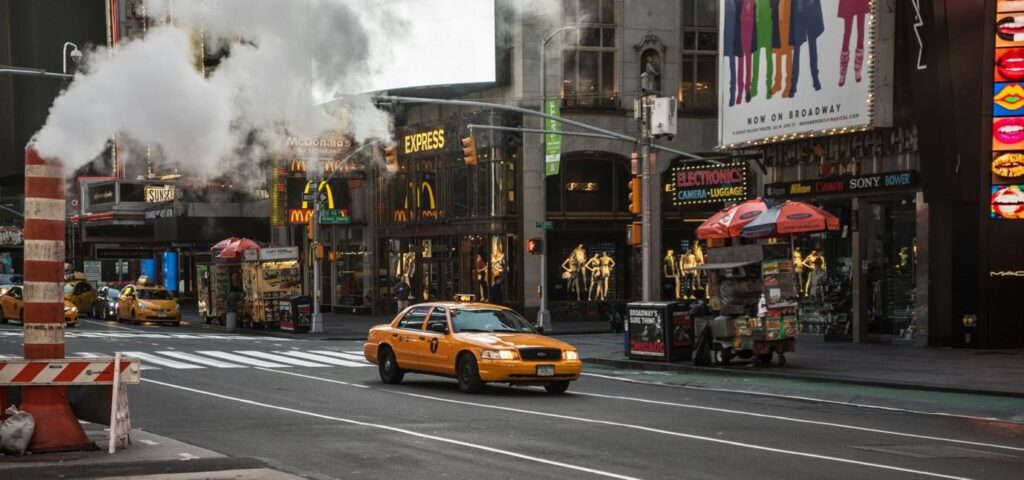
Photo by isaac sloman on Unsplash
Manhattan has always been more than just a place to shop. It is a stage where architecture, fashion, branding, and culture intersect. From the minimalist storefronts of SoHo to the grand flagship stores lining Fifth Avenue, retail spaces in New York City are designed not only to sell products but to create experiences.
Over the past several decades, retail design in Manhattan has evolved dramatically. What once focused primarily on display shelves and window merchandising has transformed into a sophisticated blend of architecture, interior design, lighting, materials, and storytelling. Today, a successful retail environment must capture attention instantly, guide customers through a carefully crafted journey, and reflect the identity of the brand itself.
The Rise of the Boutique Experience
In neighborhoods like SoHo and Nolita, retail design began shifting in the late twentieth century toward a more intimate, curated experience. Independent boutiques replaced traditional department store layouts with thoughtfully designed interiors that encouraged exploration.
Industrial loft spaces became ideal canvases for designers. Exposed brick walls, cast-iron columns, and high ceilings provided a raw architectural backdrop that could be paired with contemporary lighting, custom furniture, and artistic displays. These stores were often designed to feel more like galleries than traditional shops.
This shift changed the role of retail design entirely. Instead of simply housing merchandise, the interior environment became part of the brand’s identity.
Flagship Retail as Architectural Theater
At the other end of Manhattan’s retail spectrum lies Fifth Avenue, where flagship stores compete to deliver unforgettable visual experiences. Global brands invest heavily in architecture and interior design to create spaces that attract both shoppers and tourists.
Glass staircases, monumental lighting installations, and immersive interior layouts are now common features. The design of these stores must balance aesthetics with functionality, guiding thousands of visitors through the space while maintaining a sense of luxury and clarity.
These flagship locations demonstrate how retail design has become a form of architectural theater—spaces designed not only for commerce but for cultural impact.
The Shift Toward Experiential Retail
In the era of online shopping, physical retail spaces must offer something the internet cannot: atmosphere, human interaction, and sensory engagement.
Modern Manhattan stores increasingly incorporate elements such as:
- natural materials and organic textures
- layered lighting environments
- flexible furniture and modular displays
- integrated digital experiences
- spaces designed for social interaction
These elements transform retail spaces into environments where customers can slow down, explore, and connect with a brand.
Designers now think about how people move through a space, how lighting affects mood, and how materials influence perception. Retail design is no longer just visual—it is emotional and experiential.
Blending Architecture, Interior Design, and Craft
Creating these immersive retail environments requires a multidisciplinary approach. The most successful projects integrate architecture, interior design, furniture design, and lighting into a cohesive whole.
Some design firms in New York specialize in this holistic approach to retail environments. For example, NWDB, the team behind Lacoste Park Avenue combine architectural planning with interior design, lighting strategy, and custom material selection to shape retail spaces from concept to construction.
Retail designers have spent decades refining this process, drawing inspiration from natural materials like wood, stone, metal, and water to create environments that feel both sophisticated and human-centered. These elements help soften urban retail interiors while creating a connection between architecture and wellbeing.
This integration of disciplines has become increasingly important as retail spaces evolve into immersive brand environments.
Natural Materials and Human-Centered Design
Another noticeable trend in Manhattan retail design is the growing use of natural materials and biophilic design principles. Designers are increasingly incorporating wood textures, stone surfaces, natural lighting, and organic forms into retail interiors.
These materials introduce warmth and calm into environments that might otherwise feel overly commercial. Research in environmental psychology has shown that natural textures and materials can positively influence mood, attention, and comfort—qualities that translate directly into a better shopping experience.
In dense urban environments like Manhattan, these subtle design choices can make a store feel like an oasis amid the city’s intensity.
Designing for Manhattan’s Unique Challenges
Retail design in New York City also requires navigating a series of practical constraints. Storefronts may occupy narrow footprints, historic buildings may limit structural changes, and construction must often occur within tight logistical and regulatory frameworks.
Designers must be able to work creatively within these constraints, balancing aesthetics with practicality. Lighting may need to compensate for limited natural light, custom furniture may be required to maximize floor space, and materials must be chosen to withstand high levels of foot traffic.
This blend of creativity and technical expertise is what makes Manhattan retail design such a distinctive discipline.
The Future of Retail Design in New York
Despite predictions that e-commerce would eliminate physical retail, Manhattan continues to prove that thoughtfully designed spaces remain essential. In fact, many brands are investing more heavily than ever in flagship locations that serve as both retail stores and brand showcases.
Future retail environments are likely to become even more experiential—blending digital interaction, hospitality elements, and architectural storytelling.
From the creative boutiques of SoHo to the iconic storefronts of Fifth Avenue, retail design in Manhattan will continue to evolve as a powerful combination of architecture, artistry, and human experience.
Because in a city that thrives on energy, creativity, and innovation, the spaces where people shop must be just as inspiring as the products they discover within them.