
A solid roof shapes the way a building performs, and it influences how people feel when they visit or work inside it. When a roofing project comes up, building owners usually want clear steps instead of guesswork. A simple checklist helps create that sense of order. It becomes easier to sort through options, ask the right questions, and keep the project moving in a steady direction.
Columbus has plenty of capable teams in the roofing space, though picking the right fit takes structure and clarity. Before speaking with commercial roofers Columbus, building owners can use a targeted checklist to avoid delays and keep every phase grounded in practical expectations.
Understand The Building’s Roof Structure
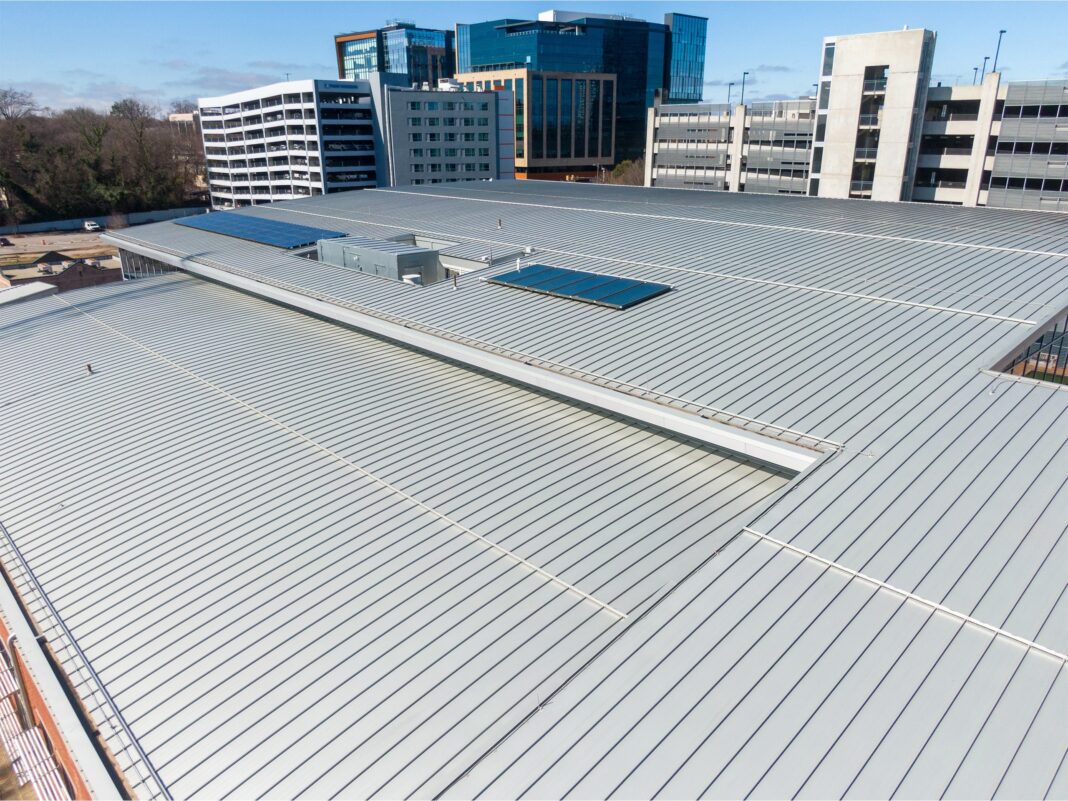
A building owner in Columbus benefits from knowing the roof’s general makeup before meeting any crew. The shape, age, and past repairs give clues about what the property needs. This helps roof specialists offer accurate proposals instead of vague guesses. It also creates a shared understanding that guides the rest of the conversation.
Roof materials matter as well. A flat membrane surface calls for a different skill set than a steep metal layout. When owners know what sits above their walls, they can judge if a roofer has the right strengths. This step sets the table for productive discussions later.
Review The Building’s Drainage Path
Drainage shapes how long a roof lasts. A drainage path that sends water away from the structure helps prevent early wear. Building owners can take a quick look at gutters, downspouts, and surface slopes to see how water travels. This simple check gives helpful context for any roofer evaluating the property.
A roofer with solid experience can offer adjustments that keep water moving in a clean direction. They may recommend minor grading improvements or updated drainage parts. When both sides understand this early, the project runs more smoothly and avoids rushed decisions later.
Check Maintenance Records And Past Work
Maintenance logs speak volumes. When owners gather repair notes, inspection dates, and warranty details, they create a clear timeline of what the roof has handled. This gives roofing crews a better chance to spot patterns or find areas that need extra care. Good records provide a strong base for accurate assessments.
Photos from previous work help as well. Images of patched sections or weathered corners offer visual clues. These details help roofing teams tailor recommendations instead of relying on general assumptions. A well-documented history leads to practical solutions.
Understand Code Requirements And Safety Practices
Local building codes shape the type of work a roofer can perform. Owners who review key requirements ahead of time make space for better planning. This avoids later adjustments that could slow progress. Having a basic sense of required materials or structural rules smooths out scheduling and cost estimates. Checking if a roofing team carries proper liability insurance also helps protect the building owner during the project.
Safety practices also deserve attention. A roofing team that values protective gear, stable equipment, and clear site rules sets a positive tone. When building owners ask about safety steps early, they create a shared expectation that keeps workers and tenants secure.
Working with commercial roofers in Columbus becomes easier when building owners arrive prepared. A simple checklist encourages thoughtful decisions and smooth teamwork. Every roof has its own character, so gathering details beforehand gives roof specialists the information they need to offer practical guidance. The process becomes clearer, the work becomes more efficient, and owners gain a better sense of control.