
Learn how shift-left testing helps startups catch bugs early, reduce technical debt, protect user trust, and prevent costly production disasters.
Startups operate in an environment where speed often determines survival. Teams push frequent releases, iterate quickly on user feedback, and compete aggressively for market share. In this rush to launch and scale, testing is sometimes treated as a final checkpoint rather than a continuous process.
In this blog, we explore how shift-left testing helps startups catch bugs before they become disasters. By moving testing earlier in the development lifecycle, startups can reduce risk, protect their reputation, and build products that scale without constant firefighting.
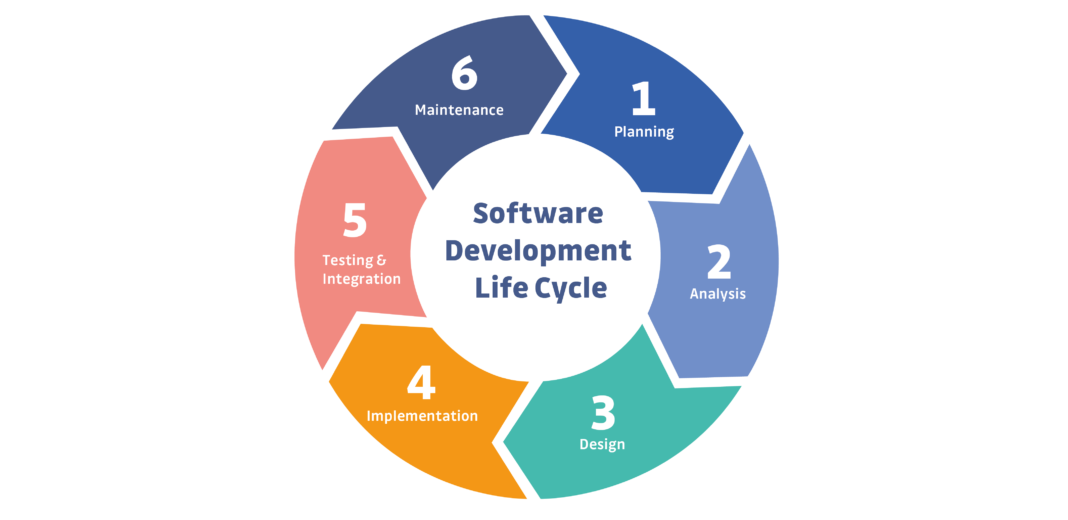
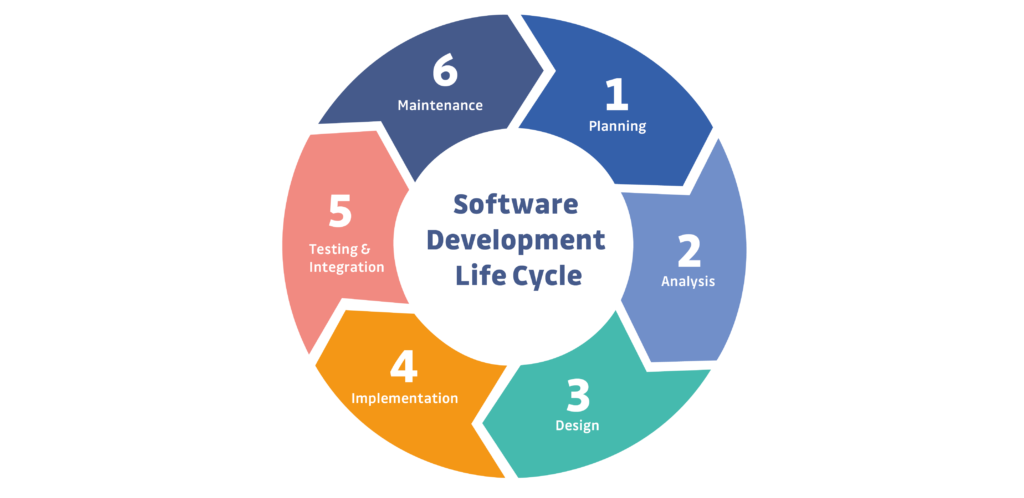
What Is Shift-Left Testing? Shift-left testing is a proactive strategy that integrates quality assurance activities earlier in the software development lifecycle. Instead of waiting until development is complete to begin validation, teams test features during planning, design, and coding phases. This approach encourages developers and QA professionals to collaborate from the start, reducing the likelihood of late surprises.
By shifting testing to the left side of the development timeline, startups identify defects when changes are still small and manageable. Fixing issues early reduces cost, minimizes rework, and prevents minor flaws from escalating into production incidents. The goal is continuous validation rather than end-stage inspection.
Why Startups Are Especially Vulnerable to Late Bugs
Startups face unique pressures that increase the impact of late defect discovery.
Key vulnerabilities include:
- Small engineering teams with limited QA resources
- Aggressive release timelines driven by investor expectations
- Rapid feature experimentation and iteration
- Accumulating technical debt from quick fixes
- High dependency on early user feedback for growth
When bugs surface late, startups often lack the buffer that larger enterprises have. A single critical issue can disrupt customer acquisition efforts, delay funding opportunities, or stall product momentum.
The Real Cost of Late-Stage Defects
Late discovery of defects has consequences that go beyond minor inconvenience.
1. Financial Cost
Fixing bugs after release is significantly more expensive than addressing them during development. Production issues may require emergency patches, downtime, and additional support resources. For startups operating on tight budgets, these unexpected costs can strain finances.
2. Reputation and User Trust
Early adopters form lasting impressions. If users encounter crashes, broken workflows, or inconsistent behavior, they may leave negative reviews or abandon the product entirely. Trust is difficult to rebuild once lost.
3. Team Productivity and Burnout
When defects surface late, teams shift from proactive development to reactive firefighting. Engineers spend time resolving urgent problems instead of building new features. Over time, this reactive cycle leads to frustration and burnout.
4. Increased Technical Debt
Late bug fixes often involve temporary patches rather than clean architectural improvements. Over time, these shortcuts create fragile systems that are harder to maintain and extend.
5. Team Morale and Burnout
Frequent emergencies place significant stress on small teams. Developers shift from creative problem-solving to repetitive troubleshooting, which reduces motivation and productivity.
How Shift-Left Testing Works in Practice
Implementing shift-left testing requires collaboration and cultural change rather than simply adding new tools. QA professionals participate in requirement discussions to identify potential edge cases early. Developers write unit tests as they build features, ensuring logic is validated before integration. Automated tests run continuously within CI pipelines, providing rapid feedback after each code commit.
Tools also play an important role in enabling early validation. Unit testing frameworks, static analysis tools, and API testing platforms detect issues before they reach user-facing layers. Adopting a low-code testing tool like testRigor helps teams automate critical workflows without heavy scripting, making early automation accessible even for lean startups. When testing becomes part of daily development, defects are caught long before they reach production.
Benefits for Startup Growth
Shift-left testing directly contributes to sustainable growth and operational stability.
Faster and Safer Releases
By catching defects early, teams can release updates with confidence. Fewer last-minute surprises mean smoother deployments and shorter release cycles.
Reduced Technical Debt
Addressing issues during development prevents the accumulation of temporary fixes. Cleaner codebases are easier to scale and maintain.
Stronger Investor Confidence
Demonstrating structured quality practices signals maturity. Investors value startups that manage risk proactively rather than reactively.
Improved Customer Retention
Stable and reliable products build trust. Users are more likely to continue using and recommending applications that perform consistently.
Tools and Automation That Support Shift-Left
Automation plays a central role in shift-left testing. Unit testing frameworks allow developers to validate logic early. Static code analysis tools catch vulnerabilities and coding errors before execution. API testing tools verify service interactions before user interfaces are complete.
Adopting a low-code testing tool like testRigor can further support early automation by allowing teams to create readable tests without heavy scripting. This reduces the barrier to automation and enables faster coverage of critical user flows. When automation is integrated early, it becomes a safety net that grows with the product.
Continuous integration systems tie everything together by automatically executing tests during builds. This ensures defects are detected immediately after code changes.
Practical Steps to Implement Shift-Left
Startups can begin implementing shift-left testing without overhauling their entire process.
1. Start with Critical User Flows
Identify high-impact journeys such as onboarding, payments, and core feature interactions. Implement early validation for these areas to protect revenue and user experience. Expanding coverage incrementally keeps efforts manageable.
2. Integrate Testing into Daily Workflow
Encourage collaboration between developers and QA during sprint planning and design discussions. Making testing part of the sprint objectives ensures that validation is not postponed. Code reviews should include both functional and test coverage considerations.
3. Automate Early and Gradually Expand
Begin with unit tests and a small set of automated regression tests. As the product matures, expand automation to cover additional scenarios. Gradual growth prevents over-engineering while still building a reliable safety net.
4. Build a Quality-First Culture
Leadership should reinforce that quality is a shared responsibility. When everyone values testing, it becomes embedded in decision-making rather than treated as a final hurdle. Cultural alignment ensures the long-term sustainability of shift-left practices.
Conclusion
Shift-left testing is not just a technical practice. It is a strategic approach that helps startups prevent costly mistakes. By identifying defects early, teams reduce financial risk, protect user trust, and maintain development momentum.
In fast-moving startup environments, waiting until the end to test can turn minor bugs into major disasters. Moving testing earlier in the lifecycle creates stability, confidence, and sustainable growth. For startups aiming to scale successfully, shift-left testing is not optional. It is essential.