By Nikhil Kanekal
When it comes to sports in India, the first thing that usually comes to mind is cricket, right? This is, without a doubt, one of the most popular sports out there, with television ratings breaking records and entire cities turning into ghost towns for an IPL final.
But what about horse racing? Horse racing is a sport that knows no borders, and it is popular all over the world. So, how about India?
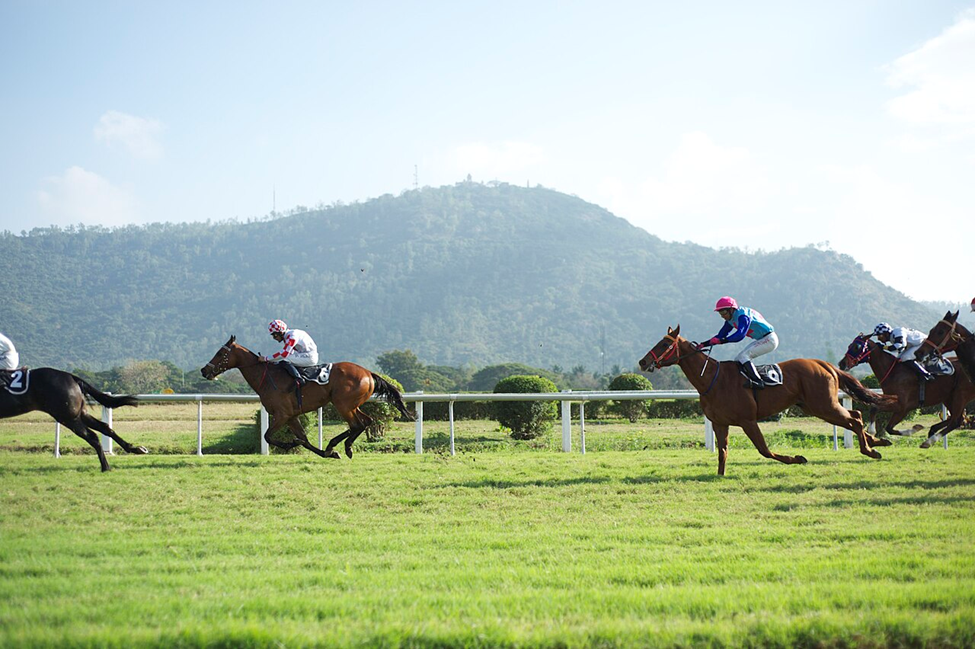
Well, most people don’t know that horse racing in India has been alive for centuries, and it is organized and surprisingly popular.
Yes, it doesn’t scream for attention the way cricket does, and it doesn’t flood the news. But this doesn’t mean that it is totally absent. A few racetracks and horse racing events still get massive viewership, and the culture is still very much alive.
Horse Racing History in India
Most people think that this is a niche sport here without a lot of history. But they are wrong. Organized racing dates back to the late 18th century during British colonial rule. In fact, horse racing is even older than cricket.
The Royal Calcutta Turf Club was founded in 1847 and became one of the most influential horse racing authorities in the region. The sport then expanded across major cities like Mumbai, Chennai, Hyderabad, and Bengaluru, in a project where dozens of new racecourses emerged in just a few decades. Many of those racecourses still operate today.
Over the years, the sport grew and became even more popular. So, we can all agree that horse racing isn’t a casual hobby anymore. India runs structured racing seasons, maintains stud farms, licenses jockeys, and also allows betting.
The racing culture in India is very much alive and pulsating. People are also watching international races like the Kentucky Derby, and they love betting on horse racing. In fact, some big horse racing events reach higher betting volumes than cricket matches.
Right now, there is a perfect opportunity since we have the Kentucky Derby coming in a few months. But before you place a bet, make sure you are prepared and do some analysis. The best place for that is TwinSpires, as they uncover tips, betting strategies, and in-depth betting analysis. To learn more, click the link below: https://www.twinspires.com/kentuckyderby/betting/
So, historically speaking, the horse racing infrastructure and tradition in India are real. The question is, how does that translate into modern popularity? Are fans watching these races?
The Major Racing Hubs
As we mentioned before, there are multiple racing hubs across the country. Mumbai’s Royal Western India Turf Club is in charge of the iconic Mahalaxmi Racecourse, which is probably the most recognized venue here. They host the Indian Derby every year in February, and this year, it was truly a spectacle. Fynbox, a four-year-old filly, won this year’s ultimate prize.
Then there’s the Hyderabad Race Club and the Madras Race Club, which also run seasonal meets that attract regular bettors. Yes, they are not as big as the Indian Derby, but still, there are a lot of fans.
In terms of attendance figures, you cannot expect something like the Kentucky Derby or the Royal Ascot. Yes, there are horse racing fans here, but it is still a niche sport. For the Indian Derby, the crowds can reach around 10-20 thousand, which is decent enough for a sports event.
Betting Drives Engagement
Let’s be honest, betting is what makes horse racing popular anywhere in the world, and India is no exception.
Horse racing betting is classified as a game of skill rather than pure chance, so people can place bets on races without any problem. This is exactly why the sport maintained its popularity over the years.
Yes, it may not be as popular as cricket, but the infrastructure is real, and the passion is also there. Being able to place a bet on a horse makes it even more appealing for newcomers, and who knows, maybe this will increase the sport’s popularity in the future.
How Popular Is It Compared to Other Sports?
Cricket dominates Indian sports viewership at a level that few countries experience with any sport. According to broadcast data from recent IPL seasons, individual matches can draw television audiences exceeding 100 million viewers. Racing doesn’t compete in that arena.
Horse racing in India is not like horse racing in Kentucky, France, or London. Even if we compare its local authority with cities like Mumbai, horse racing is still not in the top three.
However, the sport has the same vibe and a similar unique bond to history and tradition, like anywhere else in the world. The fans are here, and they are dedicated. On top of that, there are breeding farms in Maharashtra and Karnataka, and horse racing in India is also an investment.
So, right now, horse racing in India is a niche sport. Will it continue to operate on a small scale? Only time will tell.