The gallbladder acts as a storage sac for bile, a digestive fluid made by the liver. When a person eats, especially fatty foods, the gallbladder squeezes to release bile into the small intestine. This helps break down fats so the body can absorb nutrients properly.
When the gallbladder does not work well, bile may not flow smoothly. The body then struggles to process fats, leading to bloating, indigestion, and nausea. Over time, even healthy foods like avocado, olive oil, or nuts can feel uncomfortable.
It often begins as a dull discomfort after a heavy meal. Maybe a person feels bloated or notices that their stomach reacts differently to certain foods. For many, the gallbladder plays a bigger role in digestion than they realized.
The Gallbladder’s Role in Digestion
When the gallbladder works properly, it quietly supports digestion. But when it becomes sluggish or blocked, the effects can affect the whole body.
The gallbladder is small, but its function is important. It stores and releases bile, the fluid that helps break down fats. When this process is disrupted, digestion slows down, and energy levels may drop, leaving a person feeling uncomfortable after eating.
Gallbladder problems are increasingly common and can lead patients to consider removing the gallbladder when ongoing pain or inflammation interferes with daily life. Before taking this step, it is important to understand how gallbladder conditions affect digestion and can impact weight management.
Bile Flow aigestive Imbalance and Gut Health
Without a steady supply of bile, the intestines cannot process fats properly. This often causes changes in bowel habits, from diarrhea to constipation, depending on the person. Some may feel constantly tired because nutrients like omega fats and fat soluble vitamins are not absorbed well.
These ongoing disruptions can create a cycle of discomfort. The gut may become more sensitive, and inflammation can worsen, making digestion slower and less regular. It is easy to overlook, but persistent bloating or indigestion often points to an overworked or blocked gallbladder.
Pain and Discomfort After Meals
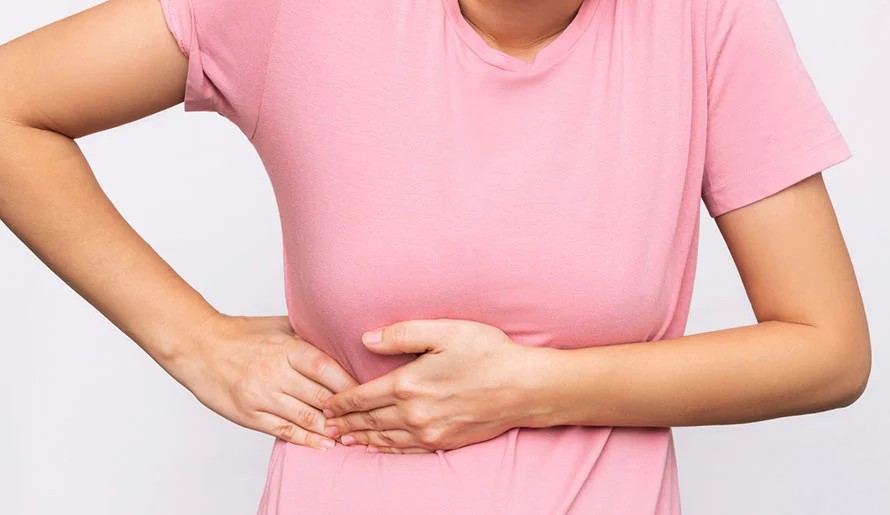
For many people, discomfort often happens after a rich meal or fried foods. The upper right side of the abdomen might ache, sometimes spreading to the back or shoulder. This occurs because the gallbladder is trying to push bile through a narrowed or irritated duct.
When stones or thick bile block the flow completely, the pain can intensify, resulting in a gallbladder attack. These episodes are not just uncomfortable; they show that the body is struggling to process fats, which can affect energy and digestion over time.
How Gallbladder Issues Affect Weight
Digestive troubles and slowed bile flow do not just cause discomfort. They can directly impact how the body stores and uses energy.
Weight Gain from Slower Digestion
When bile is not released properly, the body cannot break down fats efficiently. This means some calories are not processed as well, leading to a slower metabolism. People may notice weight creeping up even if their diet has not changed.
At the same time, the discomfort from eating fatty foods might make someone avoid healthy fats. Without these nutrients, hormones can become unbalanced, and hunger signals can fluctuate, leading to irregular eating habits and more fat storage.
Changes After Gallbladder Surgery
For those who have their gallbladder removed, digestion adapts but does not stop. The liver still produces bile, but without the storage organ, bile trickles into the intestine in smaller amounts. Some people experience lighter digestion, while others notice softer stools or more frequent bowel movements after meals.
Over time, the body usually adjusts, but diet still plays a key role. Smaller, balanced meals with moderate amounts of fat tend to be easiest on digestion. Foods that are too greasy or large meals can still overwhelm the digestive system. Many who have had the surgery are advised to change their eating habits gradually to find what works with their new digestive rhythm.
The Link Between Gallbladder Health and Overall Metabolism
When bile flow is limited or uneven, the body’s ability to process cholesterol and remove toxins can slow down. This affects how well the liver and gut work together, which can influence weight and energy levels.
It becomes harder to maintain a comfortable energy balance when the body cannot absorb nutrients properly. What may start as digestive discomfort can lead to weight fluctuations, fatigue, and slower metabolism. Paying attention to these early signs can help prevent bigger problems later.
Finding Balance After Gallbladder Issues
Adjusting diet and lifestyle can go a long way in reducing symptoms and restoring balance. Eating smaller meals, choosing healthy fats in moderation, staying hydrated, and managing stress all support better digestion.
For some, however, these changes may not fully ease pain or discomfort caused by gallbladder problems. When symptoms persist or worsen, it may be time to see a healthcare professional. Treatments such as gallbladder removal can offer lasting relief and help restore digestive comfort when other approaches do not work.
Living without a gallbladder does not mean giving up favourite foods or struggling with weight forever. The body is remarkably adaptable, and with the right care, most people return to normal digestion over time. The key is to listen to the body and seek help early before problems get worse. Understanding how the gallbladder affects digestion and weight helps a person take practical steps toward better health and a more balanced life.