
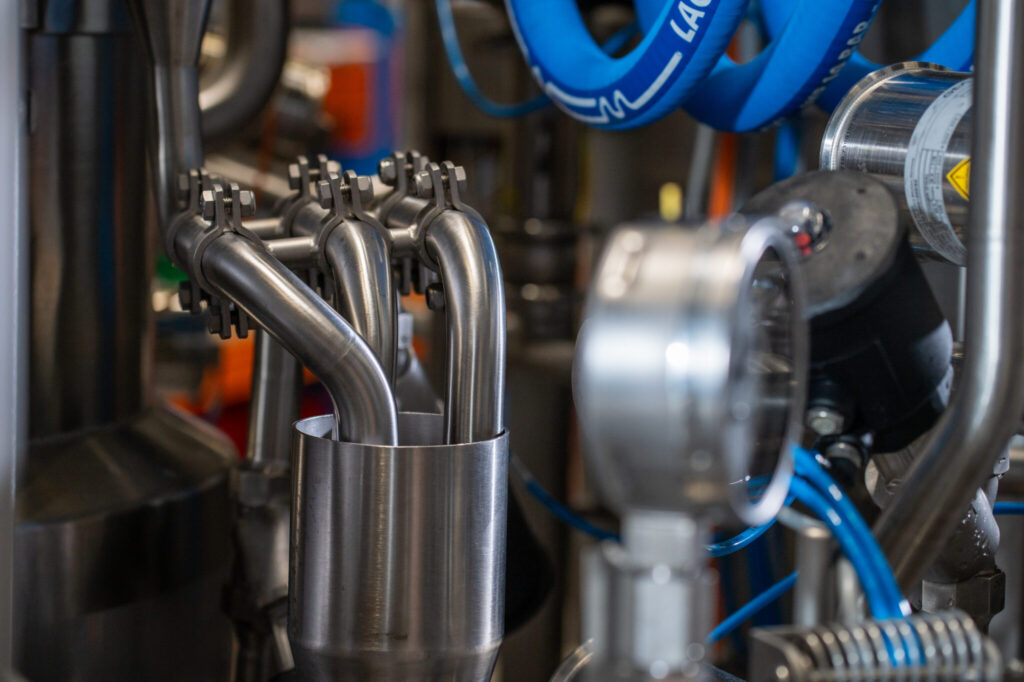
The world of food processing is constantly evolving, and mayonnaise production is no exception. Innovation and efficiency are essential to remain competitive in this dynamic industry. This article explores the latest trends and technologies that are transforming mayonnaise production. Whether you are an investor or a professional in the food industry, these insights are indispensable.
Automation and robotics in mayonnaise production
Advanced machinery
Automation plays a key role in modern mayonnaise production. Advanced machines not only increase production speed but also ensure the consistency and quality of the final product. Through the use of robots and automated systems, companies can significantly improve operational efficiency. This results in fewer human errors and higher output, ultimately leading to lower production costs.
Integration of AI
Artificial intelligence (AI) is increasingly being integrated into production processes. In a mayonnaise processing plant, AI can assist in monitoring the production line, predicting maintenance needs, and optimizing ingredient ratios. This creates a streamlined process that saves both time and money.
Sustainability in food processing
Environmentally friendly processes
Sustainability is no longer an option but a necessity. Modern mayonnaise producers are adopting environmentally friendly processes to reduce their ecological footprint. This ranges from using renewable energy sources to minimizing waste and recycling packaging materials. These initiatives benefit not only the planet but also the company’s brand image.
Natural ingredients
Consumers are increasingly demanding healthier and more natural products, which directly impacts production processes. Companies must adjust their recipes and may need to invest in new technologies to process these ingredients efficiently. While this can be challenging, it also creates opportunities for differentiation in a competitive market.
Food safety and quality control
Stricter regulations
Food safety has always been a top priority, but regulations are becoming increasingly strict. This requires mayonnaise producers to invest in advanced quality control mechanisms, such as sensors and real-time monitoring systems, to ensure that every batch meets the highest safety standards.
Innovative packaging
Beyond production itself, packaging plays a crucial role in food safety. Innovative packaging solutions can extend the shelf life of mayonnaise and reduce the risk of contamination. This is important for consumers and producers alike, as it helps minimize waste and lower costs.
Consumer preferences and market trends
Healthier options
Demand for healthier food options continues to grow, pushing mayonnaise producers to adapt their products. This may include reducing fat content or adding functional ingredients such as omega-3 fatty acids. These trends create opportunities for innovation and product diversification.
Local flavors
Globalization has expanded the mayonnaise market, but it also requires producers to adapt to local tastes and preferences. This may involve developing different recipes for different regions, which in turn affects production lines and ingredient management.
Globalization and expansion into new markets
Adapting to local regulations
When expanding into new markets, it is essential to comply with local regulations and standards. These may include labeling requirements or restrictions on certain ingredients. Understanding and adapting to these rules is critical for success in new markets.
Logistical challenges
Globalization also brings logistical challenges. Transporting mayonnaise over long distances requires careful planning and advanced logistics solutions to maintain freshness and quality. This may involve investing in refrigerated transport and efficient distribution networks.
Mayonnaise production is a complex and dynamic field that continues to evolve. By investing in the latest technologies and trends, companies can optimize their production processes while responding to changing market demands. Whether you are an investor seeking the next major opportunity or a food industry professional aiming to improve operations, the insights in this article provide valuable guidance for success.