
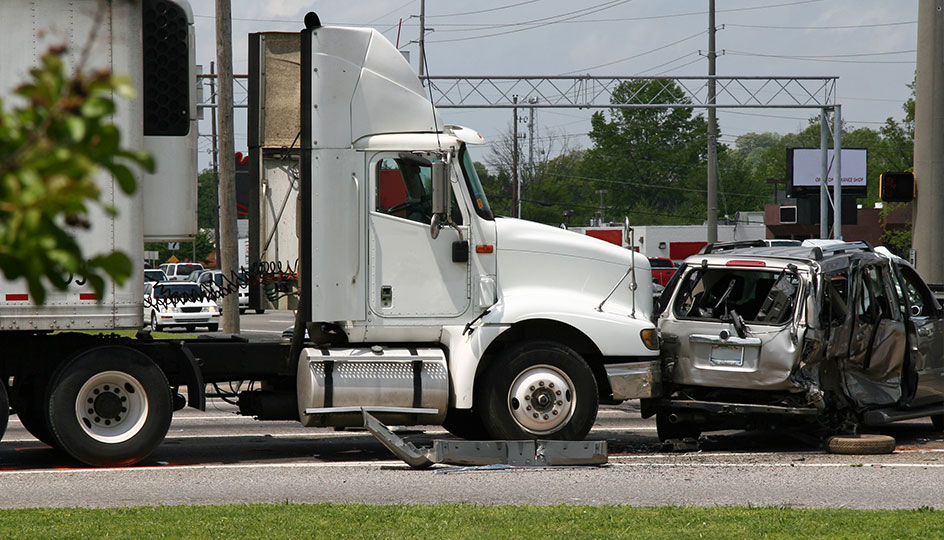
You know the feeling. You are merging onto I-81 near the Central Scranton Expressway, white-knuckling the steering wheel as a massive wall of steel glides past your driver’s side window. The wind buffets your sedan. The hum of the tires drowns out the radio. In Scranton, sharing the road with eighteen-wheelers is not just a commute; it is a daily survival exercise.
While we rely on these rigs to keep the economy moving, the physics involved in a collision between a 4,000-pound car and an 80,000-pound tractor-trailer are unforgiving. It is not just a fender bender. It is a life-altering event that leaves twisted metal and shattered lives in its wake. But what happens after the dust settles is a whole different kind of chaos.
The Web of Liability
Most people assume a crash is simple. Driver A hits Driver B. Driver A is at fault. Insurance pays. Done.
When a commercial truck is involved, throw that logic out the window.
You are stepping into a labyrinth of federal regulations, corporate liability, and high-stakes insurance policies. The driver might have been speeding, sure. But why? Maybe the logistics company set an impossible deadline. Maybe the maintenance crew ignored a balding tire during the last inspection. Perhaps the warehouse team loaded the cargo unevenly, making the trailer prone to tipping on those tight Pennsylvania curves.
Determining who is actually responsible requires a forensic deep dive that goes far beyond a police report. Evidence vanishes quickly in these cases. Skid marks fade. Logbooks get “updated.” Memories blur. That is why immediate action is critical. You need someone who knows how to preserve the black box data—the electronic control module that records the truck’s speed and braking patterns seconds before impact.
If you find yourself in this situation, overwhelmed by medical terminology and aggressive insurance adjusters, it might be time to bring in a professional. A Scranton truck accident lawyer can step in to preserve crucial evidence and ensure the trucking company doesn’t control the narrative. They understand the specific federal Hours of Service rules that dictate how long a driver can be behind the wheel without a break, a regulation that is all too often ignored in the rush for profit.
The Weather Factor
Let’s be real about the driving conditions here. Northeast Pennsylvania is not exactly known for year-round sunshine. We get the ice. We get the fog that settles in the valley. We get the sudden snow squalls that turn the interstate into a skating rink.
Operating a commercial vehicle in these conditions requires a higher standard of care. A seasoned trucker knows that stopping distances double or triple on wet pavement. They know that an empty trailer acts like a sail in high winds. Yet, we still see rigs barreling down the mountain at 70 miles per hour in sleet.
Understanding how weather impacts vehicle performance is key to determining negligence. If a driver failed to adjust their speed for the conditions, that is not an “accident” caused by Mother Nature. That is a driver error. It is a failure to exercise the caution that a professional license demands.
The Fatigue Epidemic
There is a dirty secret in the trucking industry. Fatigue.
Despite strict laws intended to mandate rest, the pressure to deliver is immense. “If the wheels aren’t turning, you aren’t earning.” That mantra pushes drivers to the brink. They rely on caffeine, energy drinks, and sheer willpower to keep their eyes open.
But biology always wins eventually.
A drowsy driver is just as dangerous as a drunk one. Reaction times slow down. Judgment lapses. A split-second decision to brake for a merging car becomes a three-second delay that results in catastrophe. Proving fatigue is difficult but not impossible. It involves cross-referencing gas receipts, toll booth data, and GPS records against the driver’s logbook to find the discrepancies. It is tedious work. It is necessary work.
The Insurance Battleground
Here is the thing about trucking companies. They are prepared for accidents.
Within minutes of a serious crash, they often have a team of investigators and adjusters deployed to the scene. Their job is not to help you. Their job is to limit the company’s financial exposure. They might snap photos that favor their driver. They might try to get a recorded statement from you while you are still in shock or under the influence of pain medication.
They will offer a settlement. It will look like a lot of money. It will cover your totaled car and maybe your current medical bills.
Do not sign it.
That initial offer rarely accounts for the long-term impact of your injuries. What about future surgeries? What about the years of physical therapy? What about the fact that you can no longer work in your chosen profession because of a back injury? The true cost of a truck accident unfolds over years, not weeks. Accepting a quick check closes the door on any future help.
The Road to Recovery
Recovering from a collision with a commercial vehicle is a marathon. The physical healing is just one part of the equation. There is emotional trauma. The anxiety that spikes every time you have to pass a truck on the highway. The financial stress of mounting bills when you cannot work.
You have rights. In Pennsylvania, the law allows for comparative negligence, meaning you can still recover damages even if you were partially at fault—as long as you were not more liable than the other party. But arguing these percentages with a corporate legal team is not a DIY project.
You need to focus on healing. Let the experts focus on the fight.
The roads around Scranton are essential arteries for the East Coast, but that doesn’t mean local families should be the collateral damage of interstate commerce. When the worst happens, you have to be ready to stand your ground. It is about accountability. It is about making sure that the next time a driver thinks about skipping a break or ignoring a speed limit, they think twice. Because safety on our highways isn’t just a regulation. It is a right.