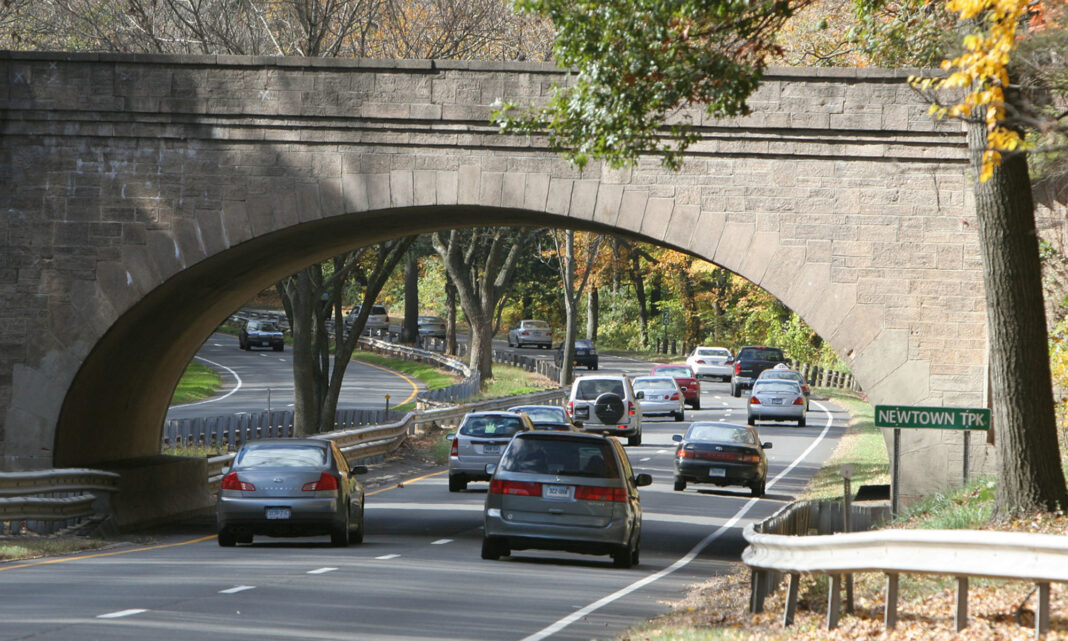

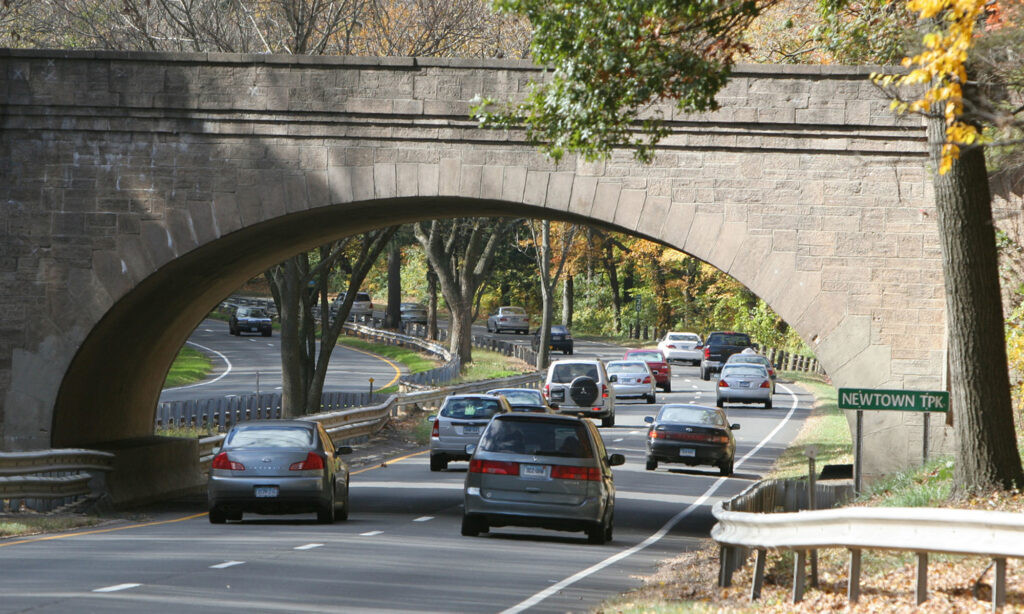
The Merritt Parkway in October is a deceptive thing. It looks like a postcard. Trees turning that burnt orange and fire-engine red, the historic bridges arching over the asphalt like something out of a storybook. It’s beautiful. It lulls you. You forget that you are hurling a two-ton metal box down a winding chute at seventy miles per hour alongside thousands of other distracted humans.
Driving in Connecticut is a specific kind of skill. It’s not just the aggression of the I-95 corridor or the endless, purgatorial construction zones around Waterbury. It is the suddenness of the stop. One minute, you are thinking about the pizza in New Haven or the leaf peepers slowing down traffic near Litchfield. Next, the world dissolves into noise.
Physics doesn’t care about your plans. It doesn’t care that you have a meeting in Hartford or a kid to pick up in Fairfield. Kinetic energy transfers. Metal crumples to absorb it. Bodies get tossed around like ragdolls. The violence of a collision is something movies never quite get right. It isn’t always a fireball. Sometimes, it’s just a sickening crunch and then a silence so loud it hurts your ears.
The Adrenaline Haze
Immediately after, there is the haze. The brain protects itself. It dumps adrenaline into the system, masking the pain, sharpening the vision, but blurring the reality. You check your limbs. You check the passengers. You get out of the car, maybe stumbling a bit on the shoulder of the highway.
This is a dangerous time.
Not because of the traffic flying by—though that is terrifying—but because you feel “fine.” You tell the other driver you are fine. You tell the police officer you are fine. You might even decline the ambulance because, really, who wants to deal with the ER on a Tuesday night? You just want to go home.
But the body keeps the score. The soft tissue in your neck has been whipped back and forth faster than the eye can blink. The discs in your spine have absorbed impacts they were never designed to handle. A day passes. Maybe two. The adrenaline fades, and the inflammation sets in. Suddenly, lifting a coffee cup feels like a Herculean task. The headache starts at the base of the skull and wraps around like a vice.
This delay is where the trap is set. Insurance companies love the gap between the crash and the treatment. They live in that gap. If you wait a week to see a doctor because you thought you could tough it out, they will point to that week and say, “See? If they were really hurt, they would have gone immediately.” It’s cynical. It’s cold. But it is the playbook.
The Paperwork War
Once the dust settles, the second phase of the accident begins. The administrative war. This part doesn’t happen on the asphalt; it happens in your inbox and on your voicemail. Your phone becomes an enemy.
Adjusters call. They sound nice. They ask how you are doing. It feels like a chat with a concerned neighbor, but it isn’t. It is an investigation. Every word is being weighed. A simple “I’m okay” in response to “How are you today?” can be twisted into an admission that your injuries aren’t serious.
You are entering a system that is designed to be confusing. Liability laws, statutes of limitations, and subrogation liens. It is a foreign language to most people. You are trying to heal, trying to get your car fixed, trying to figure out how to pay the mortgage while you are out of work, and simultaneously trying to outmaneuver a multi-billion-dollar corporation that deals with thousands of these claims a day.
It is not a fair fight.
This is why the landscape of legal support in Connecticut is so robust. You aren’t meant to navigate this alone. When the complexity of the case ramps up—maybe there are disputed liability facts or severe, life-altering injuries—having a heavyweight in your corner is the only way to level the playing field. A firm like The Flood Law Firm understands the specific texture of Connecticut courts and the tactics used by major insurers in the region. They act as a shield, intercepting the noise so you can focus on the physical work of getting better.
When Giants Collide
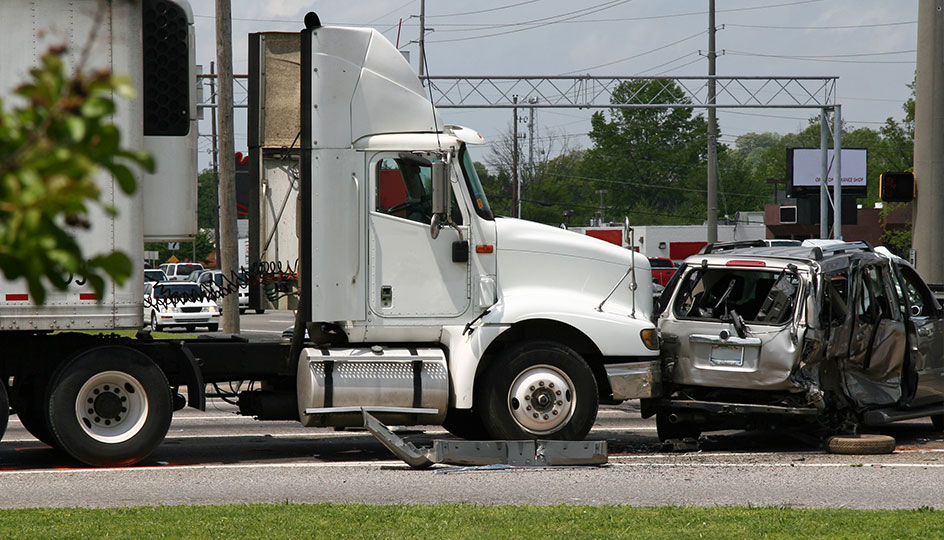
The stakes get even higher when the accident involves more than just passenger cars. Connecticut is a corridor state. Everything moving between Boston and New York comes through here. That means eighteen-wheelers. Box trucks. Massive commercial fleets.
A crash involving a commercial truck is not just a bigger car accident. It is a completely different legal beast.
Trucking companies have rapid response teams. Serious ones. Within hours of a major crash, they can have investigators on the scene, measuring skid marks, photographing the wreckage, and sometimes, gaining access to the truck’s “black box” data. They are building their defense before the glass has even been swept off the highway.
The evidence in these cases is perishable. Driver logs, which track how many hours a trucker has been behind the wheel, can be falsified or “lost.” Maintenance records can disappear. The corporate structure can be a shell game, hiding assets and shifting liability between the driver, the trucking company, the owner of the trailer, and the loading dock crew.
If you are hit by a commercial vehicle, the standard checklist goes out the window. You need to move faster. You need to preserve evidence immediately. Understanding the key steps to take after a commercial vehicle accident can be the difference between a settlement that covers your lifetime of care and walking away with nothing. It involves securing the vehicle for inspection, sending preservation letters, and understanding federal trucking regulations that don’t apply to your neighbor’s sedan.
The Invisible Ledger
We tend to think of damages in terms of receipts. The repair bill for the bumper. The co-pay for the MRI. The lost wages from missing three days of work. That is the “economic” side of the ledger. It is math. It is easy.
But what about the other side? The invisible ledger.
How do you calculate the value of being afraid to drive? PTSD after a car accident is real and pervasive. The gripping panic when you see brake lights ahead. The sweating palms. The decision to stay home instead of going to the movies is made because you just can’t face the highway.
How do you value the fact that a father can’t pitch a baseball to his son anymore because his rotator cuff is shredded? Or that a grandmother can’t pick up her grandchild?
These are “non-economic” damages. Pain and suffering. Loss of enjoyment of life. In the eyes of the law, these are compensable. In the eyes of an insurance adjuster, they are “subjective” and worth as little as possible.
To get fair compensation for the invisible damage, you have to make it visible. You have to tell the story. It isn’t enough to say “my back hurts.” You have to show how that pain has dismantled your daily routine. You have to paint a picture of the life you had before the metal crunched, and the life you have now.
The Long Road Home
Recovery is weird. It isn’t a straight line. You have good weeks where you think you are back to 100%. Then you sleep wrong, or the weather changes, and you are back on the couch with an ice pack.
The legal process mirrors this. It is slow. It is frustrating. There are months where nothing seems to happen, followed by a flurry of depositions and motions. It tests your patience.
There is a temptation to just take the first check they offer. To sign the release and be done with it. To make the emails stop. And for a minor fender bender with no injuries, maybe that is fine. But for anything real? Anything that leaves a mark on your body or your mind? That quick check is a trap. It is a permanent closing of the door. Once you sign, you can’t go back in five years when the arthritis sets in and say, “Hey, wait a minute.”
Patience is a weapon.
In the end, navigating life after a collision is about reclaiming control. The accident took control away from you. It dictated where you went (the hospital), what you drove (a rental), and how you felt (pain). The process of fighting for a fair outcome is about taking that power back.
It is about standing up in a system designed to wear you down and saying, “No. This is what I lost. And this is what it is worth.”
The roads in Connecticut aren’t getting any quieter. The Merritt is still a beautiful, dangerous chute. I-95 is still a parking lot. But understanding the mechanics of what happens after the crash—the legal physics, the medical reality, and the strategic patience required—can make the difference between becoming a victim of the system and being a survivor of it. Keep your eyes on the road, but know the terrain that lies beyond the guardrails.