
Weather shapes traction, visibility, and how your car’s systems behave. Wet, hot, or freezing days can turn small issues into roadside problems. Planning for the forecast makes your drives calmer and safer.
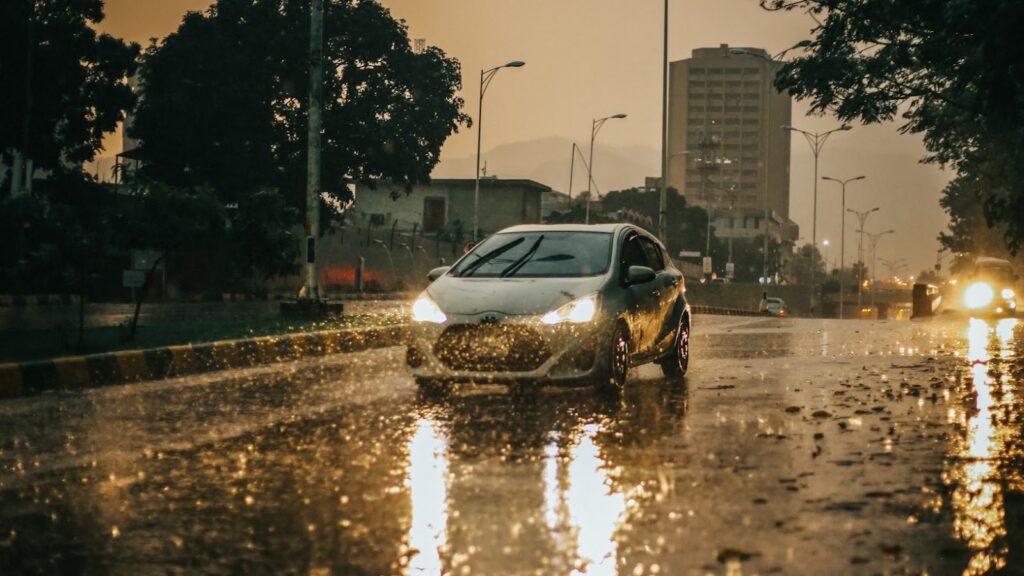
Photo from Unsplash.com
Weather And Road Safety
Rain, snow, and fog change how tires grip and how far you can see. Drivers often keep normal speeds even when roads are slick, which shortens the margin for error. Extra space and smoother inputs are your first defense.
A federal highway analysis reported that roughly 1 in 8 crashes involve weather, with millions of incidents each year. That finding highlights how common weather risk really is, even on familiar routes. Treat any storm like a new road and reset your speed.
Bad weather also raises stress and reaction times. Fog or glare can mask brake lights and lane lines. Slow early, and make your car easy to read with steady signals.
Heat And Your Vehicle Systems
High temperatures thin fluids and raise engine bay heat. Belts, hoses, and batteries all work harder when the mercury climbs. Shade parking and a short cooldown after steep climbs help protect parts.
Watch your dash for early clues. If a light flickers during a climb, consult resources for understanding vehicle warning indicators to decide what needs attention now, then ease the load and find a safe spot. Keep accessories off until temperatures fall.
AC use adds load, so aim vents and set a moderate fan rather than max all the time. Keep coolant at the marked level and confirm the cap seals well. If temps spike, turn cabin heat to pull heat off the engine while you seek help.
Rain, Standing Water, And Hydroplaning
Rain reduces grip, lengthens stops, and can hide ruts. Early showers lift oil and make the surface feel slick. Drive with gentle steering and brake in a straight line.
A peer-reviewed analysis explained that hydroplaning speed rises with higher tire pressure and drops with deeper water. The takeaway is simple: lower speed and healthy tread reduce the chance that water lifts the tire off the road. If the wheel feels light or the engine revs without speed, ease off the throttle until grip returns.
Avoid lane changes through puddles when possible. Water often pools between lanes and near curbs. If you must cross, do it smoothly and without braking.
Snow, Ice, And Cold Starts
Cold air hardens rubber and shrinks the contact patch. Summer or worn all-season tires will slip sooner on frost or packed snow. Winter-rated tires keep sipes flexible and improve stop-and-go control.
Black ice forms on bridges and shaded bends. It often looks like wet asphalt but feels like glass. Test grip gently in a safe, straight area before you commit to a turn.
Cold starts pull more power from the battery. Switch big draws off before cranking. Once the engine fires, scrape all glass clear so sensors and your eyes can do their job.
Tires, Pressure, And Grip
Your tires decide how well braking and stability systems can work. Check pressures monthly and before long trips, since temperature swings nudge readings up or down. Rotate on schedule so every wheel keeps enough tread depth.
Healthy tread channels water and slush away from the contact patch. Shallow grooves mean longer stops and easier hydroplaning. A simple coin test can flag a tire that should be replaced.
- Set pressures to the door-jamb label, not the sidewall.
- Inspect inner and outer shoulders for uneven wear.
- Replace tires in pairs at a minimum, axle by axle.
- Carry a compact inflator and a quality gauge.
Braking And Stability In Bad Weather
Antilock brakes help you steer while stopping on slick roads. When you feel the pedal pulse, hold firm pressure and let the system work. Do not pump the pedal.
Stability control reduces spin by trimming power and pinching individual brakes. It needs grip to help, so slow before a corner rather than in it. Smooth hands and early braking keep the electronics happy.
Give yourself more room when conditions worsen. Double the following distance in steady rain. Add even more with slush, ice, or heavy spray.
Prep Moves Before Tough Forecasts
Small habits save headaches when the sky turns mean. Top washer fluid and swap blades that streak. Clean headlight lenses so others can see you sooner.
Keep a simple kit in the trunk. Gloves, scraper, flashlight, and a tire plug kit cover most roadside needs. A small shovel and traction mats help if snow piles up.
Plan routes with weather in mind. Main roads get plowed and drained first. If conditions look ugly, leave earlier and keep speeds modest.
Photo from Pixels.com
Bad weather does not have to wreck your drive. Adjust speed, build space, and keep your vehicle ready for the season. With a little prep and a lighter right foot, rain, heat, and snow become problems you can manage.