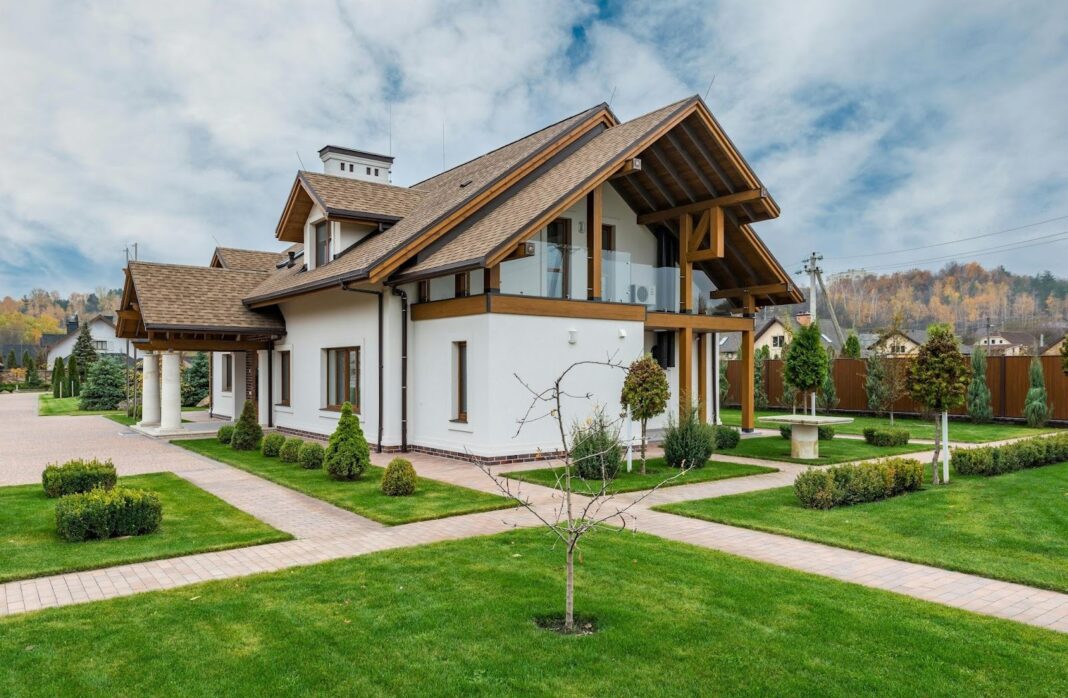

Curb appeal is not just a first impression. It is a running story about how a home has been cared for. When the exterior looks solid and performs well, buyers assume the inside has been maintained, too.
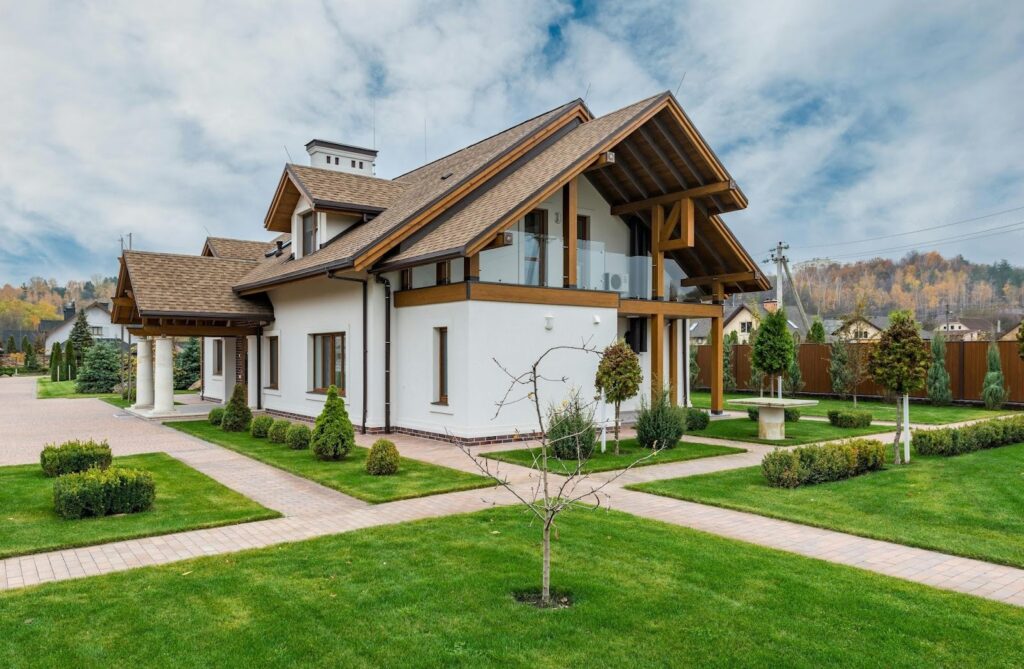
Photo from Pexels.com
Curb Appeal Starts The Conversation
A fresh exterior frames every showing. People notice clean lines, straight roof planes, and trim without rot. Small defects can make buyers wonder what else is hiding inside.
Good curb appeal also improves online photos. That helps a listing draw more clicks and showings. Over time, that attention can mean more offers and a stronger final price.
Roofing Sets The Tone For Value
The roof sits in every photo and shadows every inspection. If shingles are curled or there are patches, buyers expect repair bills. That reduces leverage during negotiation and can slow the sale.
Many homeowners look for local expertise when planning a replacement, and residential roofs in Mill Valley become a key search when they want materials that fit the neighborhood. A balanced roof design with proper flashing, ridge vents, and gutters signals that the basics are covered. It also tells the next owner that big-ticket upkeep should be predictable.
Windows Influence Energy Costs And Comfort
Windows sit at the intersection of beauty and performance. Their frames, glass, and seals affect energy use in every season. Tired units can fog, leak, and make rooms feel drafty.
A federal program has noted that swapping poor performing windows for certified options can cut household energy bills by about 12%. That kind of savings is simple to explain at a showing, and it is easy for buyers to picture on a monthly budget. Comfort is the companion benefit, since tight windows reduce cold spots and hot glare.
Materials And Maintenance Signal Longevity
Exterior materials speak a language of durability. Fiber-cement siding resists rot. High quality shingles hold their color and granules longer. Metal flashing guards joints where leaks start.
Maintenance tells its own story. Clean gutters, sealed penetrations, and repainted trim show steady care. When these basics are in place, inspectors find fewer red flags. That leads to smoother deals and less credit asked at closing.
What Buyers Notice First
- Consistent roof color and tidy ridge lines
- Crisp paint at eaves, fascia, and trim
- Clear, condensation-free window panes
- Straight, damage-free garage and entry doors
- Healthy landscaping that does not touch the siding
Climate Risks And Insurance Shape Buyer Perception
Weather is a real factor in long-term value. In recent years, the cost of roof claims has risen, and one analytics firm reported that total roof repair and replacement costs topped $30 billion in 2024, up nearly 30% since 2022. Buyers follow these headlines and ask tougher questions about resilience, deductibles, and policy coverage.
Upgrades that address these risks can help. Impact-rated shingles, improved underlayment, and sealed roof decks are modest line items compared to a future claim. Sellers can keep receipts and product data to answer insurance questions quickly.
Design Details That Multiply Returns
Exterior upgrades pay off when they work together. A roof color that pairs with the siding and stone raises perceived quality. Window grids that match the home’s style help the whole facade read as one design.
Hardware and lighting matter too. Simple, dark-finished fixtures and sturdy house numbers make entries feel intentional. The result is a home that photographs well, shows well, and stands out in memory.
Planning Exterior Upgrades For The Long Term
A 10-year plan keeps projects organized and budgets calm. Start with the roof timeline, then slot windows and siding so scaffolding and labor can be used twice. That reduces disruption and often saves money.
Think about local climate and code. Proper attic ventilation and waterproofing membranes are not visible, but they protect everything else. Save a small reserve for unglamorous items like flashing and sealants. These small pieces guard the big investments.
How To Prioritize Work
Begin with water control. Roofs, flashing, gutters, and downspouts protect the structure and prevent hidden damage. Next, improve insulation and windows to stabilize comfort and costs. Finish with paint, doors, and lighting to sharpen curb appeal for everyday life and future resale.
Documenting Improvements Helps At Resale
Keep a simple binder or digital folder for exterior work. Include contractor info, permits, product sheets, and warranties. Photos from before and after show the care that went into each project.
When it is time to sell, that record builds trust. Buyers move from worry to confidence, which supports a stronger price and a cleaner closing.
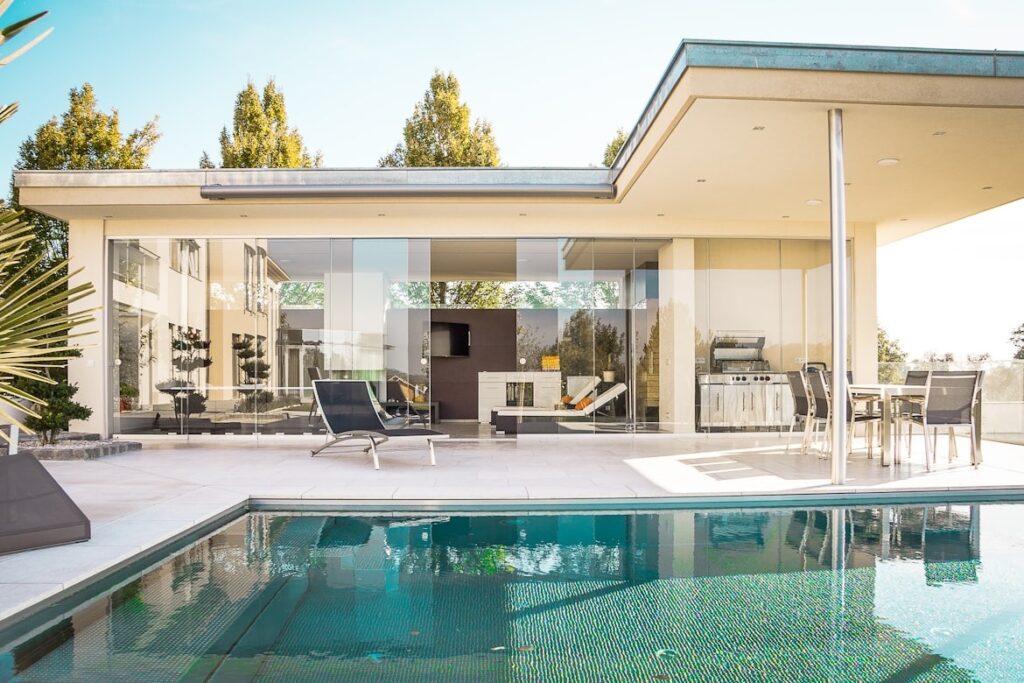
Photo from Unsplash.com
Thoughtful exterior enhancements pay off twice – they make daily living better and protect long-term value. A smart plan, quality materials, and steady upkeep turn the outside of a home into a quiet asset that compounds over time.