
Daily choices shape the health of your mouth more than any single gadget or quick fix. What you do in minutes each morning and night adds up across months and years. These habits echo beyond your teeth, shaping how you sleep, how you feel, and how your body fights inflammation.
Small Habits With Compounding Effects
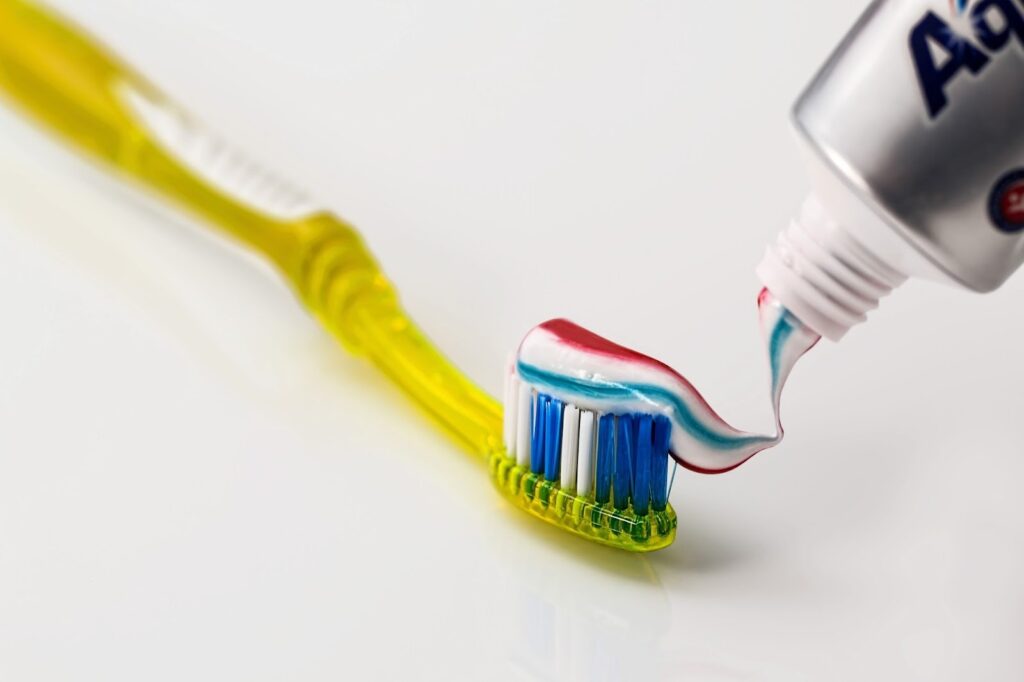
Your mouth is a busy place, and tiny routines decide whether bacteria or your enamel gets the upper hand. You might be exploring alternatives to fluoride, and guides on what to know about HAp can influence those choices, but frequency and technique still matter most. Brushing with a soft brush, cleaning between teeth, and sipping water after meals build protection that compounds in the long run.
Consistency turns daily micro-choices into long-term gains. A 2-minute brush does not feel like much, but it lowers plaque, calms gum tissue, and boosts saliva flow. Do these steps twice a day, and they become your quiet insurance policy against cavities and bleeding gums.
Brushing and the Consistency Gap
Many people know they should brush twice a day, yet real life gets in the way. Late nights, early alarms, or travel can chip away at a solid routine. Over months, that gap between intention and action can mean more plaque, more acid time on enamel, and more gum irritation.
More than half of adults admit to skipping toothbrushing at least once a week, which shows how common the consistency problem is. That small skip seems harmless in the moment, but repetition turns it into a trend. The fix is not a lecture. It is a plan that fits your actual day.
Sleep, Breathing, and Your Mouth
Oral health is not only about toothpaste and floss. Sleep quality changes saliva flow, mouth pH, and clenching patterns. When sleep drops, dry mouth rises, and the mouth becomes a friendlier place for harmful bacteria.
A 2024 paper in the journal Biomedicines linked obstructive sleep apnea with higher odds of bruxism, dry mouth, and periodontal disease. That means snoring and airway issues can show up as sore jaws, gum swelling, or a chalky mouth in the morning. If you notice these signs, a sleep check can support both your rest and your teeth.
Your Mouth and Your Body Talk
Gums are a window into your immune system. When they bleed or feel puffy, they may be signaling more than a brushing slip. Inflammation in the mouth can nudge inflammation elsewhere, and the cycle can go both ways.
The National Institute of Dental and Craniofacial Research has emphasized how closely oral health and overall health are connected. Chronic gum problems can add to the body’s inflammatory load, whereas conditions like diabetes can make gums slower to heal. Caring for your mouth is a part of taking care of your whole self.
Habits That Protect Enamel and Gums
Think of every meal as a small pH test. Sugary or acidic snacks lower pH and soften enamel for a while. You do not need to avoid all treats. You just need a plan that limits how long acids linger.
Space snacks, rinse with water after coffee or citrus, and finish meals with a few sips of plain water or milk. Chewing sugar-free gum can help your saliva rebound faster. At night, keep a glass of water by the bed so dry mouth does not take over while you sleep.
Routines That Stick
Habits stick when they are obvious, easy, and satisfying. Set your brush, paste, and flosser in a small tray on the sink so the cue is clear. Use a 2-minute timer so you end with a small win. Pair the routine with something you already do, like running bath water or starting the coffee machine.
Travel and busy weeks will still happen. Build a fallback kit with a foldable brush, mini paste, and a few flossers. Keep one in the car, one in your backpack, and one in a suitcase pocket. When the tools are closed, the habit survives the schedule.
When to Ask for Help
Here are some signs that call for a check-in:
- Bleeding that lasts more than a week
- Sour breath that does not fade
- Tooth sensitivities
- Jaw soreness
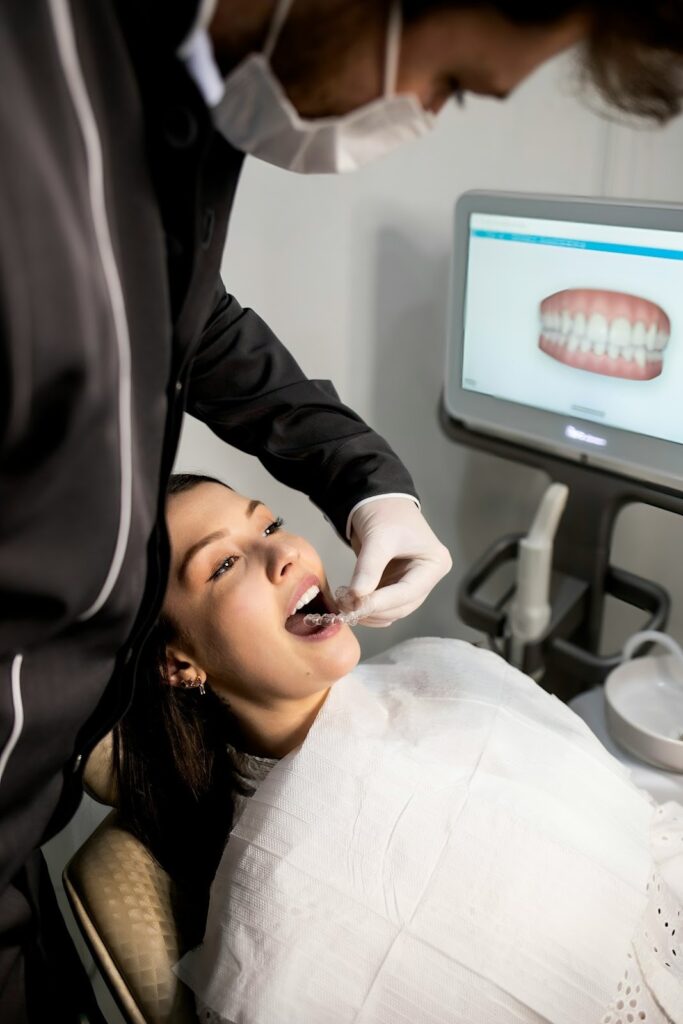
Catching these problems early saves time and money later. If you grind at night or wake with headaches, ask about a sleep evaluation or a night guard. If your gums feel dry or sticky, ask about saliva support. A simple tweak to your routine can make big changes in comfort and health.
Daily habits may not be glamorous, but they decide the long game. Treat them as tiny investments that pay steady returns for your smile and your body. Start where you are, make the next step easier, and let consistency do the heavy lifting.